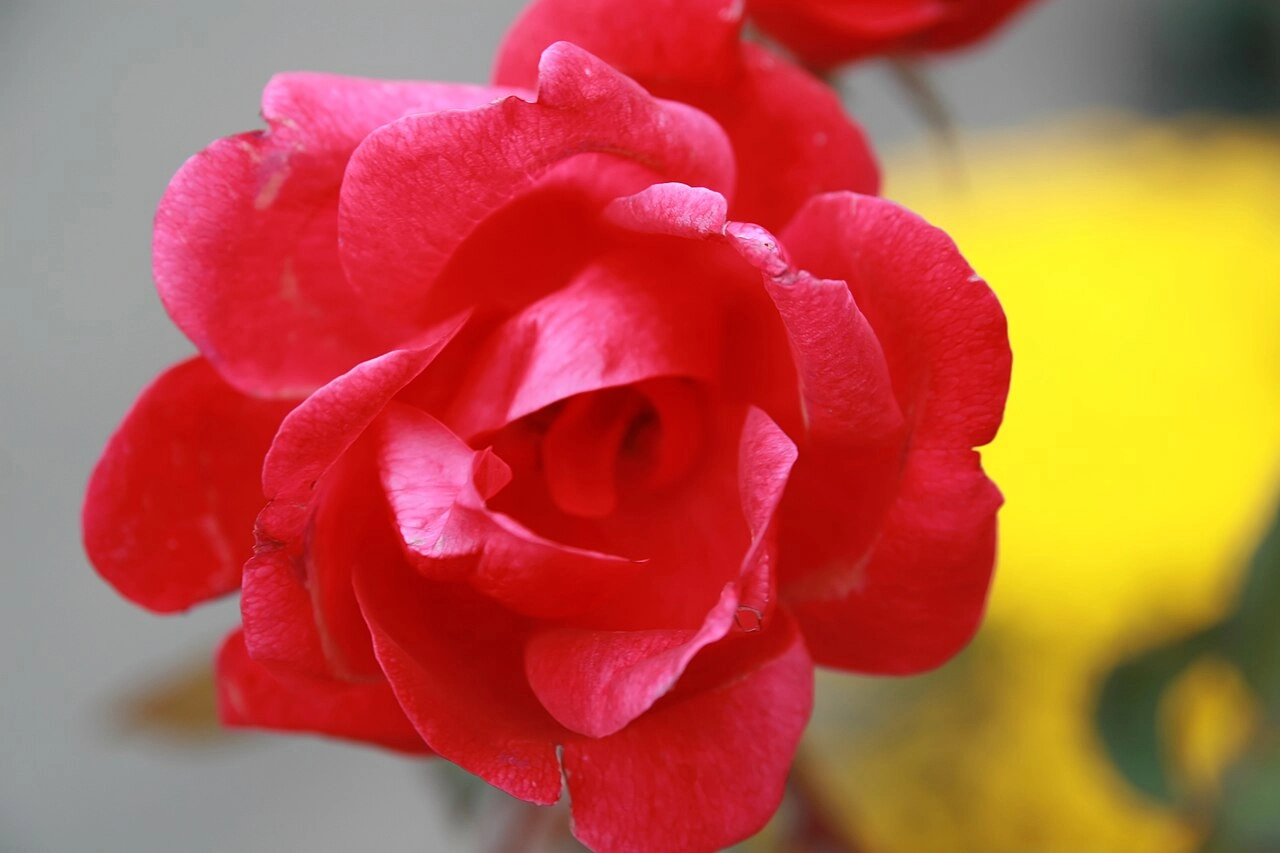
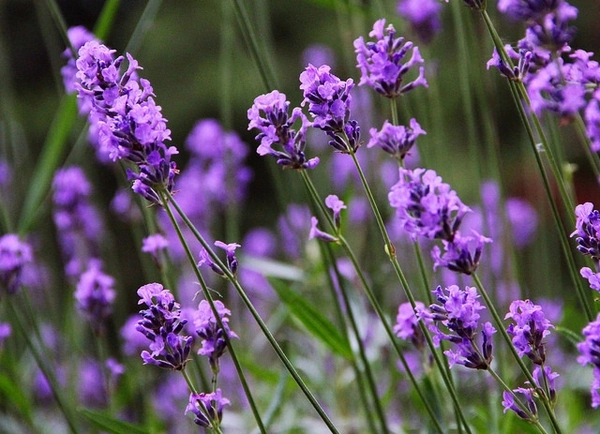
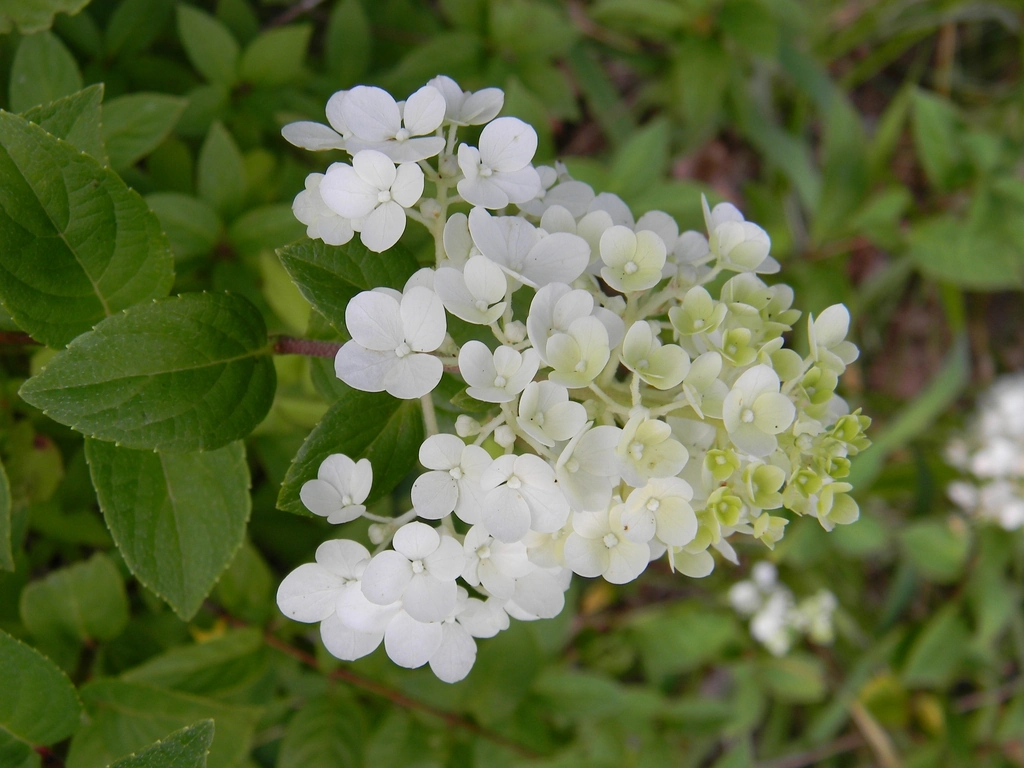
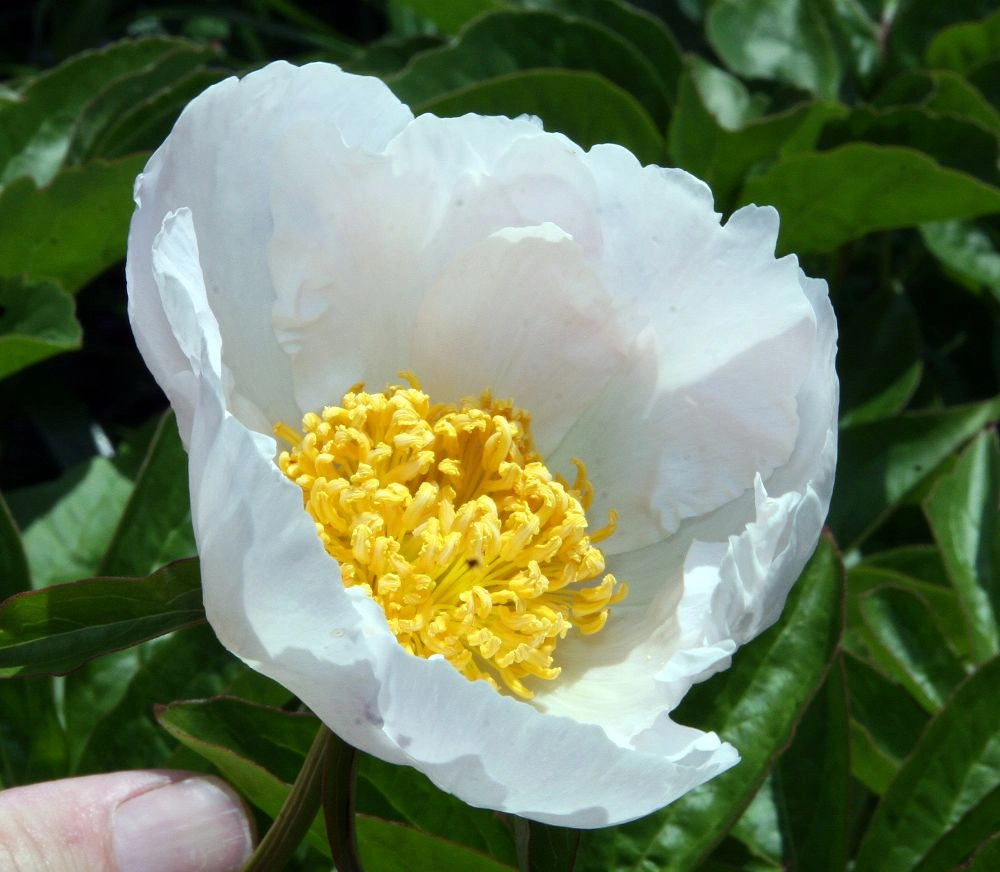
Osmanthus in autumn
Enjoy the autumn scent, keep roots evenly moist and check winter hardiness before planting out.
THE PLANT LIBRARY
Browse all 77 guides, or search by name.
Try a shorter name, or match a plant to your light and space. The library is still growing.
Find plants for your space Try the plant problem quiz Browse all plantsEnjoy the autumn scent, keep roots evenly moist and check winter hardiness before planting out.
Choose the purpose first: rooting humidity, cold protection and fruit protection need different covers.
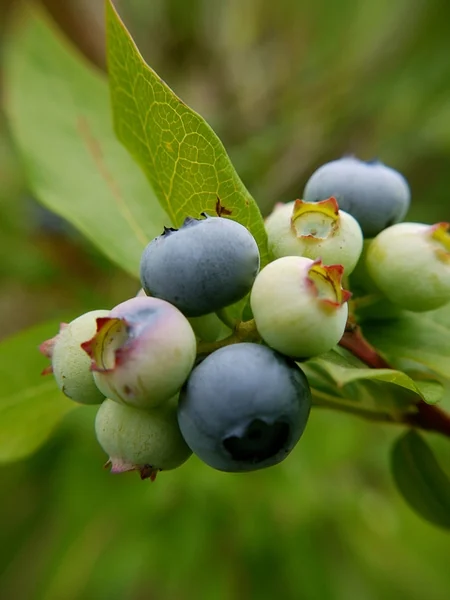
Azaleas, rhododendrons, blueberries and several other favourites need acidic conditions. Test first, then choose the plant.
Turn saved fruit seeds into a windowsill water-growing project. Start with avocado, or try grower-documented pomelo and rose apple experiments with visible roots.
Check camellia flowering season, root moisture and cold exposure before adding fertilizer or pruning branches with unopened buds.
Care for florist cyclamen with bright indirect light, a cool room and moisture checks that keep water away from the crown.
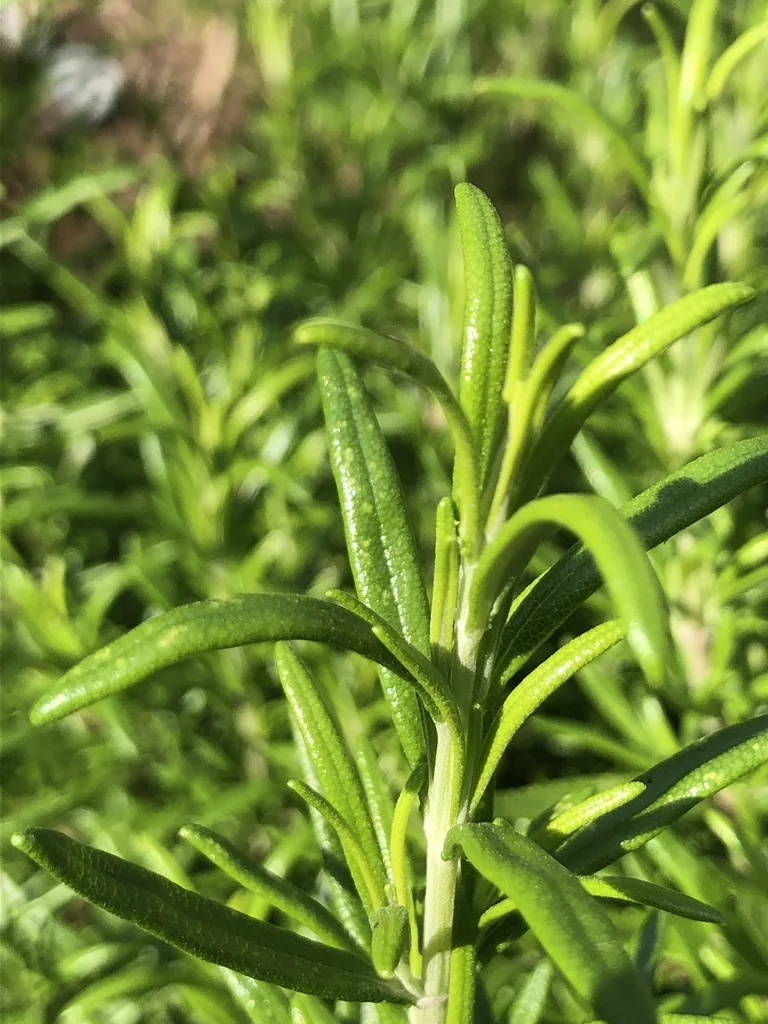
Compare local winter conditions, container exposure and indoor light before choosing where to overwinter rosemary, then adjust watering by moisture.
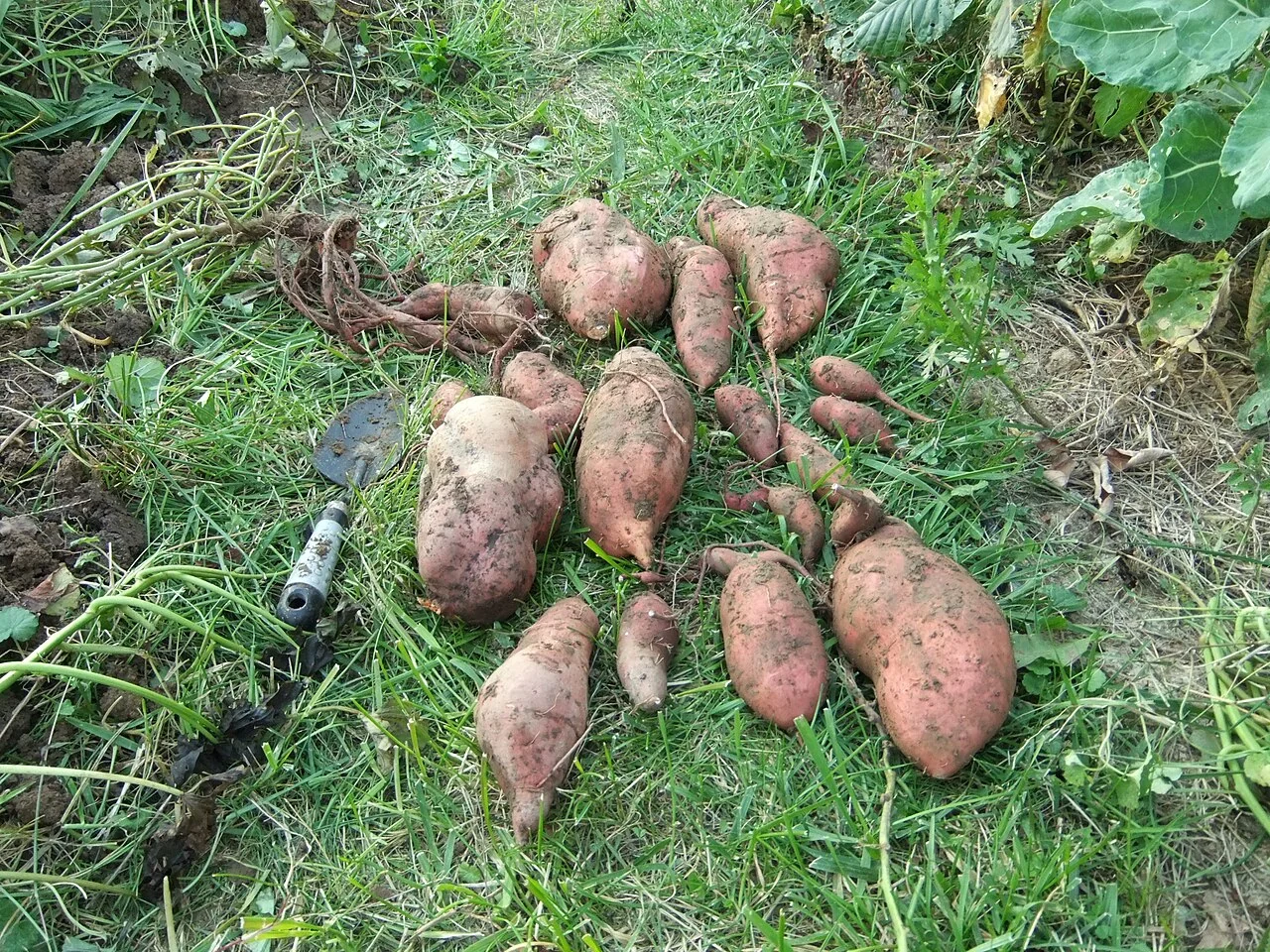
Lift carefully, dry the surfaces, and balance moisture in a cool place that stays above freezing.
Identify the hydrangea before cutting: brown flowers do not mean every stem should go.
Check what you bought and how much growing time remains before choosing the garden or a protected pot.
Let selected healthy flowers mature, collect dry seedheads, and store the seeds only after they are thoroughly dry.
Divide only when you have a reason, keep buds attached to sound roots, and prepare the new site first.
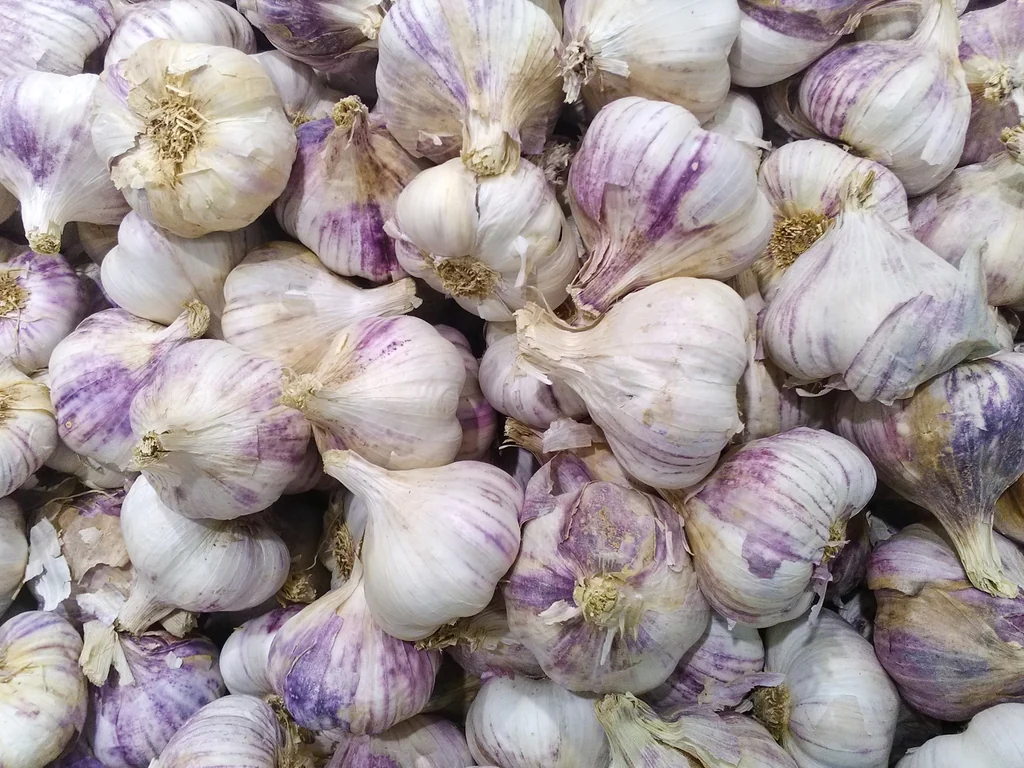
Choose your local planting window first, then give each clove a sunny, well-drained place for the winter.
A sound, mature squash stores best; curing is a separate step that not every variety needs.
When unopened buds drop, check recent changes and the potting mix before changing the feeding routine.
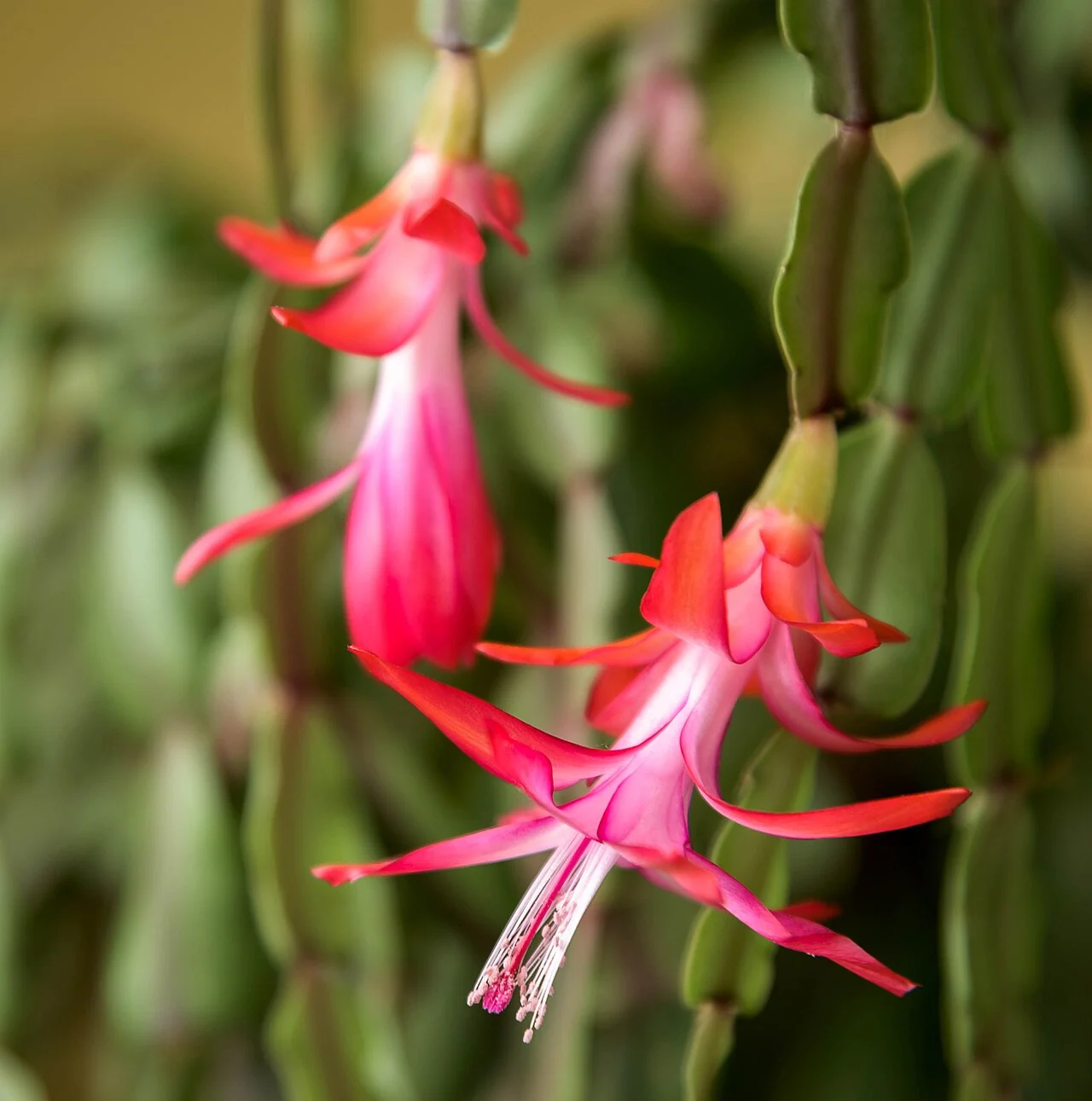
A healthy bulb needs stored energy; a planned cool rest can help schedule flowering but does not guarantee a holiday bloom.
Mature fruit can continue ripening off the vine; small immature tomatoes need a different plan.
Check the plant, root area and recent changes before choosing a rescue step.
Compare the yellowing pattern before changing water, fertilizer or soil acidity.
Look at brown edges, whole leaves and damaged stems to decide what to check next.
Start with the plant, growing conditions and recent changes before choosing a rescue step.
Compare the leaf signs and find the next checks for suspected black spot.
Check a newly planted rose and its original root ball before changing its care.
Check the mix and the plant’s own guide before you pour.
Root a stem node. A leaf alone will not grow.
Sort wet roots, drought, old leaves, and powdery mildew before feeding.
Choose a winter route for tender Pelargonium before frost.
Identify tiny flies near the pot and separate monitoring from treatment.
Check the pattern, moisture and growing conditions before choosing a next step.
Explore six autumn guides and ten planting ideas for your local conditions.
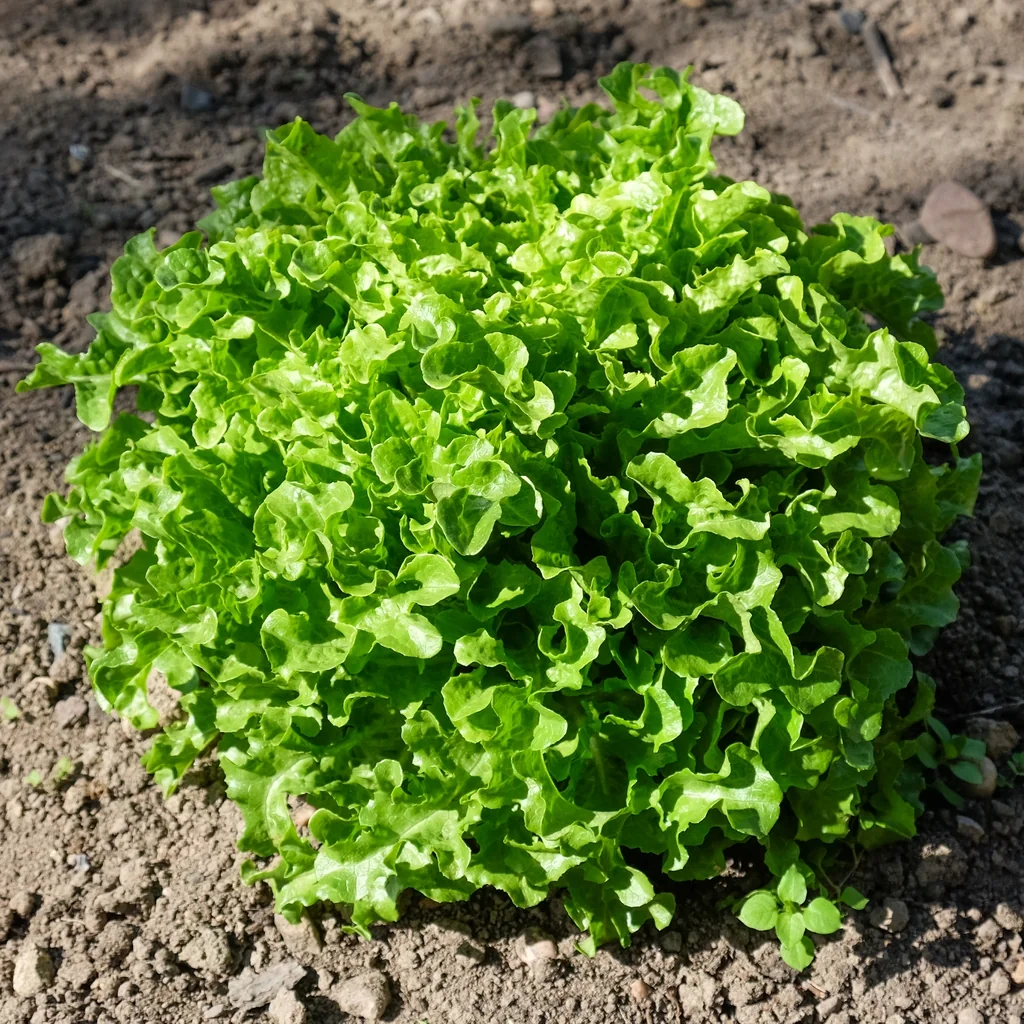
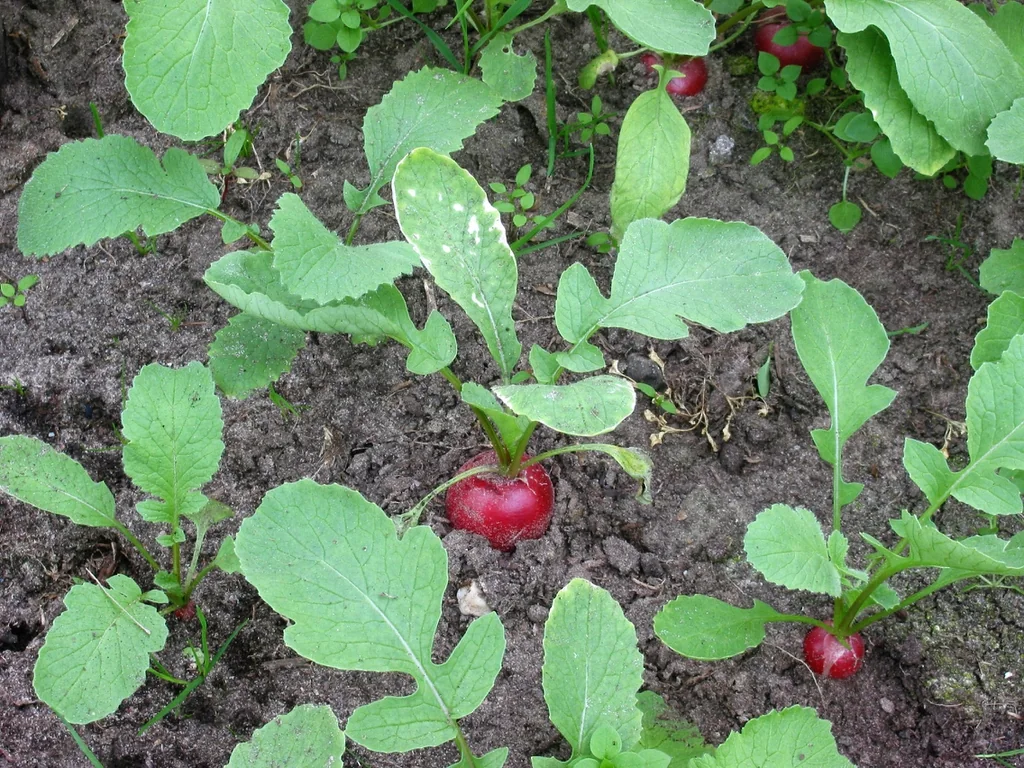
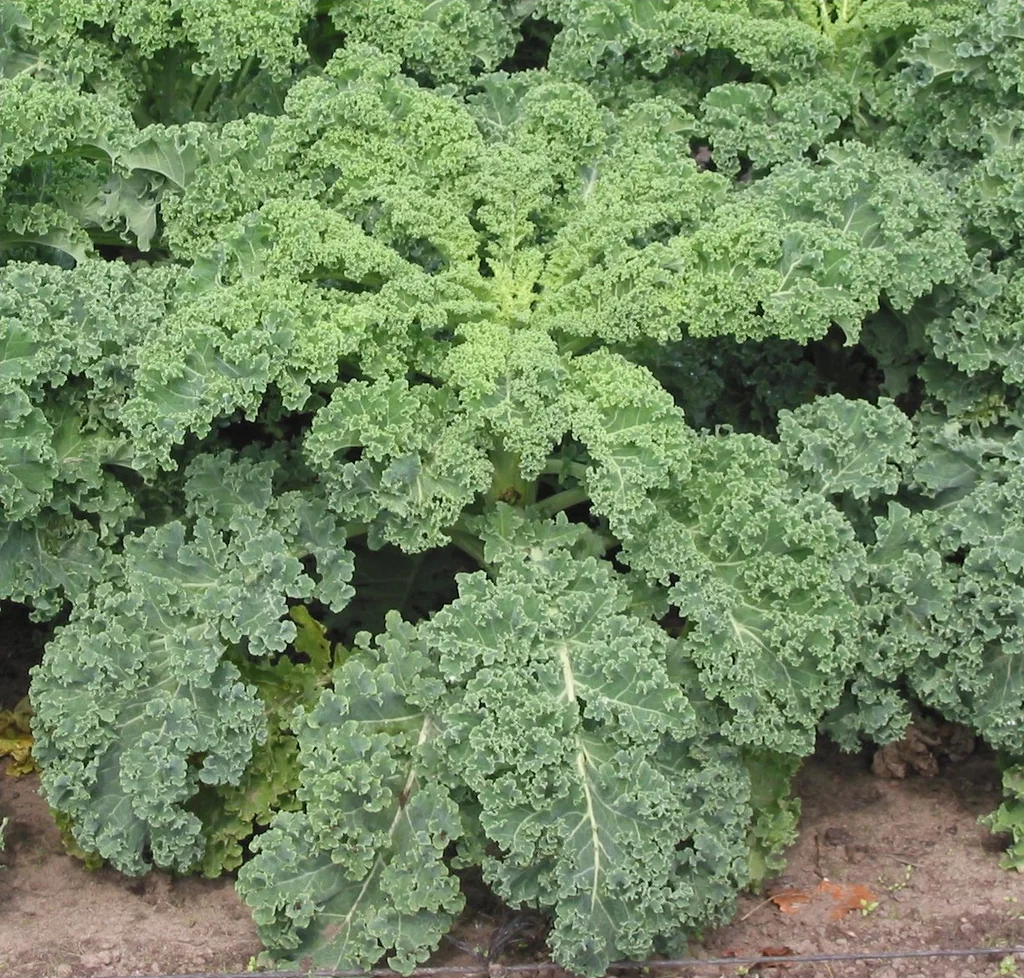
Choose spinach, kale, garlic, cilantro or parsley for your local fall conditions. Compare sowing windows, bed and pot choices, and harvest expectations.
Plant now in fall for color this season or blooms next spring. Compare USDA zone windows, cool-season bedding, and spring bulbs.
Adjust watering, light, feeding and pruning as autumn arrives. Learn when to bring houseplants indoors and how to inspect them for pests first.
Move houseplants indoors for fall with a species-based temperature check, careful pest inspection, a separate settling-in space and a fresh watering routine.
Plan fall-planted spring bulbs with climate-specific timing, clear tulip bulb-base depth, drainage checks and realistic warm-winter flowering expectations.
Use this first-frost checklist to read the forecast, protect crops, move tender pots and understand why covers cannot guarantee survival in a hard freeze.
Find a useful spot, measure at leaf level, and try the steady-light DLI calculator.
Check drainage and roots, then decide whether a careful repot is worthwhile.
Measure a rectangular raised bed, calculate the soil volume, and turn an optional purchase allowance into a practical bag count.
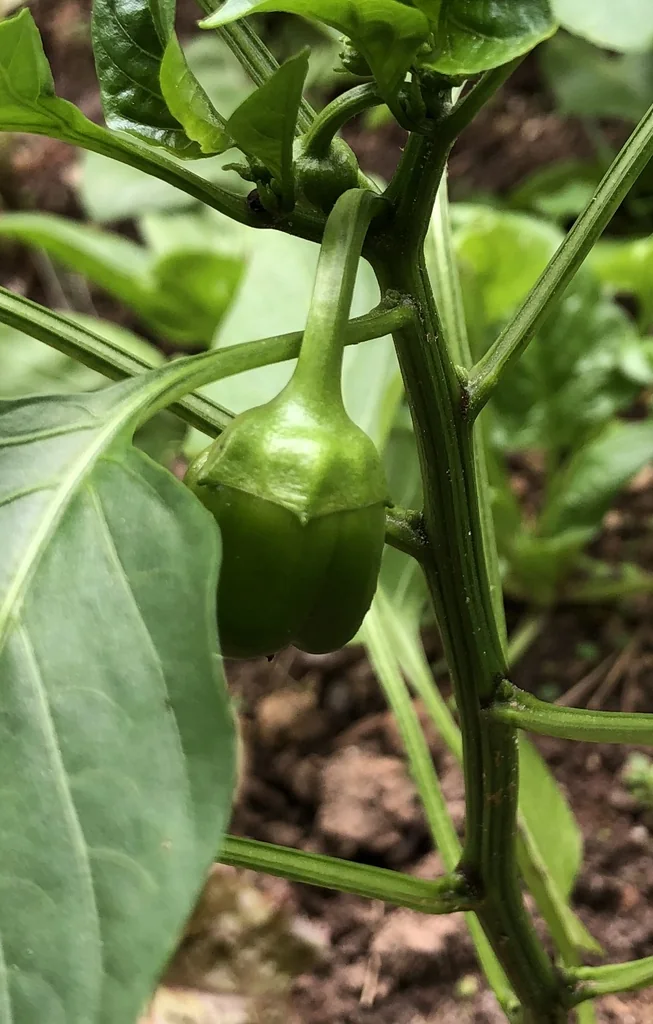
Check moisture, drainage and root disturbance when tomatoes or peppers develop blossom-end damage. Start with the growing conditions before adding amendments.
Measure actual emitter output and check where water spreads in a raised bed. Adjust the system using the soil and plant conditions you observe.
Choose useful browns and greens, check moisture and airflow, and recognize when a home compost pile needs an adjustment or more curing time.
Decide whether to water today or wait. Plant type, pot size, light, and season return a check interval in days, a next check date, and a finger-test reminder.
Look up a US ZIP code on the 2023 USDA Plant Hardiness Zone Map. See the half-zone and the average annual extreme low in °F, then open frost dates for the planting calendar.
Enter a US ZIP code for the median last and first 32°F freeze, freeze-free days, and an indoor-start tip. Dates come from the nearest listed NOAA station, not from the USDA zone alone.
Tick what you see on a yellowing plant. The quiz returns the most likely cause and three next actions, starting with wet mix, dry mix, or low light.
Organic matter is the living and decomposing fraction of soil. See the 2% and 5–10% targets by weight, and decide whether to add compost or maintain what you have.
Choose a rose pruning window from the rose type and your USDA zone. Hybrid teas, shrubs, climbers, and a light fall tidy are different jobs.
Decide which perennials to cut after frost and which stems to leave until spring, including a short note on whether mums tolerate frost.
Shut off the water, drain the backflow preventer and pump, and blow out sprinkler lines before a hard freeze. Includes the safety limit: no unregulated compressor.
Light, water, and a draining pot, then a plant plan.
Sun, planting depth, water, and support. The pot recipe is a cherry tomato.
June-bearing or day-neutral, crown depth, pot or bed.
A draining pot, cactus mix, and a dry-down after a light watering.
A bright window, its own pot, and a light moisture check.
Harvest before flowering, air-dry, and store leaves that crumble.
A cool pile, a hot bin, or a trench, then use finished compost as an amendment.
Plant in spring, summer, fall, or winter, and see when that planting flowers.
Extra petal rows: peony, ranunculus, double tulip, and double rose.
Blush, cream, and lavender flowers for an outdoor garden.
Leaves-first picks for low light indoors and shade in the garden.