GROWING GUIDE
Indoor Plant Care
Indoor plant care for a US home: match the light, water by the mix, and use a pot that drains. Then open a plant plan for pothos, basil, mint, or another plant already on this site.
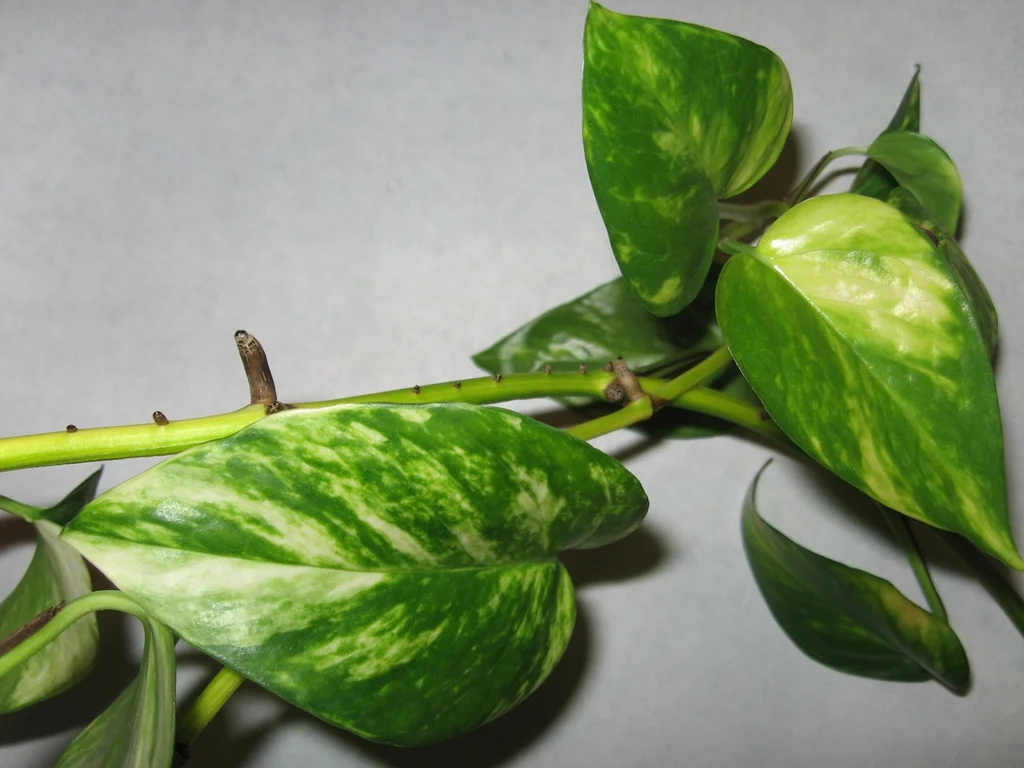
1. Match the light before you buy another pot.
Indoor plant care starts at the leaves, not at a shelf that looks bright to you. Illinois Extension says most foliage plants prefer roughly 65–75°F by day, with nights a little cooler, and that cold glass, heaters, and vents can damage leaves. Light is the piece people skip. Use the indoor plant light guide to compare a window with a lamp, and measure at leaf level if you are deciding between two spots.
Pothos wants bright indirect light and should stay out of harsh sun. A snake plant tolerates a dimmer room and grows more slowly there. Monstera, heartleaf philodendron, and spider plant each name their own window. Do not copy one plant’s light sentence onto the next.
2. Water by the mix, then empty the saucer.
There is no indoor watering weekday. When to water plants is the habit: feel the mix, lift a small pot, and read that species page. Illinois Extension’s houseplant watering notes start with the mix. A pot left standing in the runoff stays wet even if you waited a few days.
Yellow leaves are not an automatic drink. If a pothos is yellowing, use the pothos yellow-leaf checks. If the plant wilts while the mix is wet, use the root-rot guide before you pour again. Tiny flies around the pot are a moisture clue too; see fungus gnats.
Fertilizer is not part of a rescue. Illinois Extension says to feed only while the plant is actively growing, and not on a winter rest. Follow the feeding note on that plant’s page. More food will not replace missing light.
3. Use a pot that drains and a mix made for containers.
Keep the nursery pot if it has open holes, and set it in a saucer or an outer pot you can empty. Gravel in the bottom does not fix a sealed container. The container drainage steps and the potting-mix versus garden-soil note apply when you repot. Garden soil stays too wet indoors.
Move up only one pot size when roots are crowded. A large volume of unused wet mix is how indoor plants sit too wet. Succulents are stricter: how to plant succulents uses a cactus mix and a hole, not a standard houseplant mix in a bowl.
4. Open one plant, then follow that plan.
Pick a plant you can actually light. Pothos is the usual first vine. Basil plant care is a sunny-pot plan; a dim kitchen will disappoint it. Mint indoors also needs a bright window and its own pot. Spinach on this site is a cool-weather patio pot. It is not a low-light houseplant. Use it only if you have a very bright, cool spot and you follow that page.
After the leaves are growing, drying herbs is the harvest step for basil and mint. Compost for outdoor beds is a different job: how to compost at home.
Common questions
What is indoor plant care?+
Match the light to that plant, water only when its mix is dry enough, and use a pot that drains. A weekday schedule and extra fertilizer do not replace those three checks.
How often should I water indoor plants?+
There is no single number of days. Feel the mix and empty the saucer. A pothos that should dry between waterings and a mint pot that should stay lightly moist are not on the same schedule.
Can I grow vegetables indoors?+
Only where the light is actually bright enough. Spinach on this site is a cool-weather patio pot, not a plant for a dim shelf. Herbs such as basil and mint need a sunny window or a grow light.
Sources & editorial notes
- Illinois Extension: houseplant care
- Illinois Extension: watering houseplants
- Iowa State Extension: how to care for houseplants
- University of Maryland Extension: lighting for indoor plants
Sources checked November 4, 2026. Compiled with AI assistance from the linked pages. This is not a diagnosis, a pesticide dose, or a Plant Care Steps growing trial. Editorial responsibility.
Published · Updated