YOUR SIMPLE GROWING PLAN
A garden bed. Here’s the plan.
A sunny garden bed. Start with nursery shrub.
Plant in the ground, at least 2 ft from the bed edge. This is not a pot recipe.
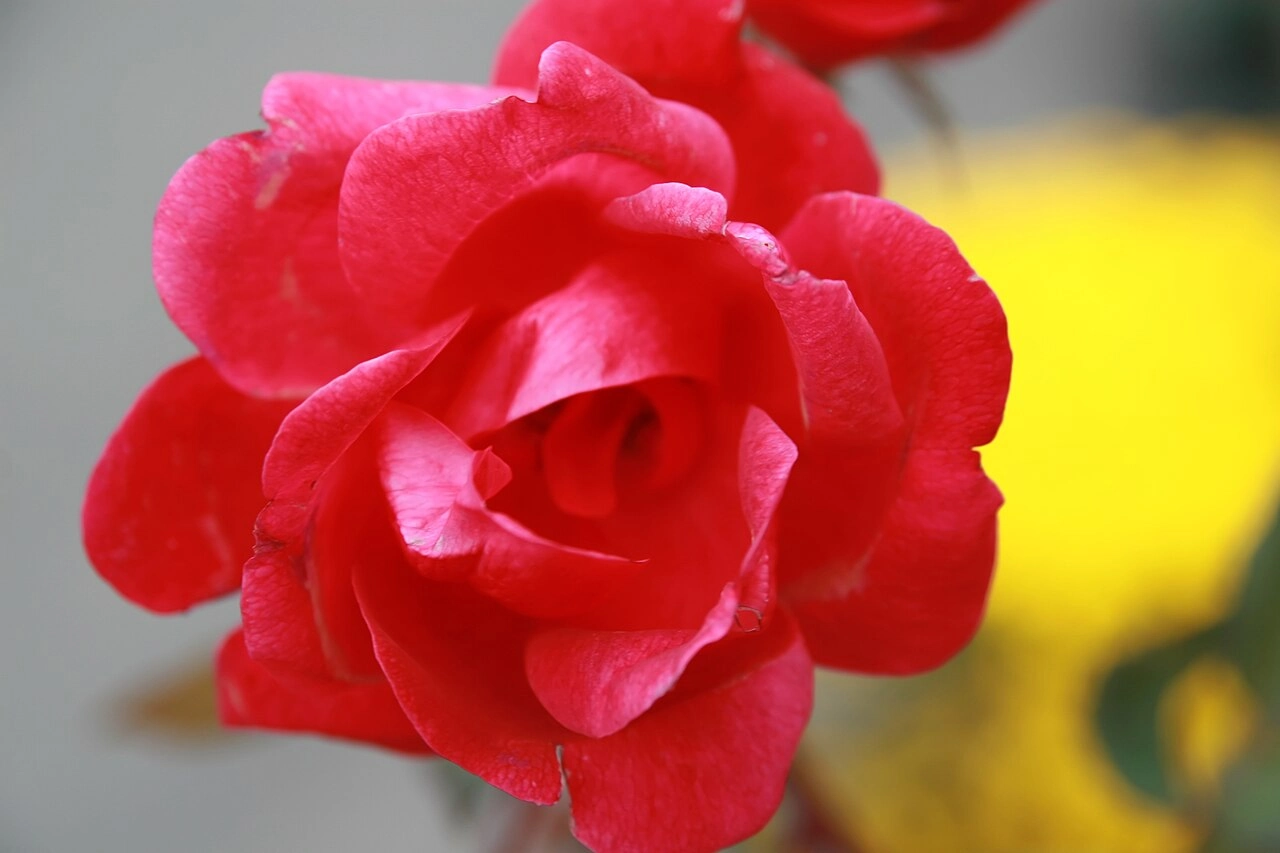
Choose an own-root original Knock Out labeled Rosa ‘Radrazz’.
- 01
Choose one sunny space
Leave 4 ft between shrub centers if adding more later. Water a dry nursery root ball before planting.
- 02
Dig wide, not deep
Make the hole about twice as wide as the root ball. Keep the top of its root system at the surrounding ground level; do not bury the stem base.
- 03
Backfill and water
Return the garden soil around the roots, firm gently, and water slowly to settle it. Do not fill the hole with container potting mix.
- 04
Mulch, then check
Spread 2–3 inches of mulch over the root area, leaving space around the stems. Check the original root ball daily for the first two weeks.
Another way to start
Use a dormant bare-root rose+
Choose the same own-root cultivar from a nursery. Follow its root-soaking and planting instructions. Grafted roses have different planting considerations; this plan assumes an own-root plant.
When to water.
Check daily for the first two weeks, then at least weekly through establishment. Feel the soil in the original root-ball area, about 6 inches down. If it is dry, give a slow, thorough soak; if still moist, wait. Rain falling nearby does not always wet a new root ball. Pay extra attention in heat and wind. Once established, supplement during dry spells.
Exactly what to feed it.
Skip fertilizer at planting. The breeder says Knock Out roses do not require fertilizer to rebloom. Start with good drainage, mulch, and consistent establishment watering.
THE SIMPLE FEEDING PLAN
Start without extra fertilizer.
Buy no plant food for this starting plan. If established growth stays weak after light and watering are corrected, use a soil test before adding nutrients. A general “rose food” is not automatically required.
A little patience pays off.
An established original Knock Out can repeat-flower from spring until frost. Allow the nursery shrub time to settle in. Annual pruning helps maintain a shrub roughly 3–4 ft tall and wide.
When should I start where I live?+
The breeder lists USDA zones 5–11 for this cultivar. Plant when the ground is workable and extreme heat or a hard freeze is not imminent. A zone describes winter cold, not every local growing condition.
For regional planting windows, find your local Cooperative Extension office ↗.
Something looking off?
Do I need to remove every faded rose?+
No. Knock Out roses rebloom without routine deadheading. You can snip spent blooms for appearance.
Leaves have holes. Is it a feeding problem?+
Inspect leaf undersides and new growth for insects, including rose sawfly larvae. Fertilizer will not fix chewing damage.
What if leaves develop black spots?+
Disease resistance is not immunity. Remove fallen diseased leaves and water the soil rather than repeatedly wetting foliage. Ask local Extension for help if the problem persists.
A little more growing know-how.
One useful yearly job+
For an established plant, prune in late winter or early spring when new buds begin to emerge. The breeder suggests cutting back to about 12–18 inches for a compact display. Do not apply that hard cut automatically to a newly purchased small shrub.
When unusual growth needs a closer look+
Persistent distorted growth, dense clusters of shoots, and unusually thorny stems can warrant local advice about rose rosette disease. Ordinary reddish new leaves alone do not diagnose it.
BEHIND THIS GUIDE
Where the advice comes from.
Plant care is based on the sources below. Planting layouts and beginner routines combine that guidance into one practical plan; they are editorial choices, not results from a Plant Care Steps growing trial.
- Star Roses and Plants: original Knock Out identity and hardiness ↗
- Knock Out: feeding, pruning, size, and deadheading ↗
- Knock Out: planting ↗
- Maryland Extension: planting shrubs ↗
- Maryland Extension: root-ball watering ↗
- Maryland Extension: fertilizer decisions ↗
- Maryland Extension: rose rosette disease ↗
Compiled with AI assistance. These first-edition guides have not yet had an independent horticultural review. Read our editorial approach.