Bring plants inside
Autumn care: bring houseplants indoors before cold nights
Prepare a bright indoor space, inspect each plant and move it before nights become too cold for its species. The first frost is too late for many tropical houseplants.
Published · Updated
Check the plant label and the overnight low
Find the minimum temperature for each species before choosing a move-in date. Check the forecast against that requirement; a warm afternoon does not make the coming night safe. If the label is missing, identify the plant first.
Iowa State uses nights approaching 50°F (10°C) as a general prompt for returning houseplants indoors. Treat this as a planning reminder, because individual plants can need warmer conditions. Move sensitive plants earlier, with time to inspect them in daylight.
Inspect one pot at a time
- Look above and below. Check both leaf surfaces, stems and the places where leaves join stems. Use a magnifier for tiny insects, eggs or fine webbing.
- Check the container. Look around the rim, underneath the pot and saucer, and inside crevices. Remove dead leaves from the mix.
- Clean and inspect again. Wipe suitable leaves with a damp cloth or gently rinse them. Sticky patches, cottony clusters or persistent moving specks need identification.
Keep a visibly infested plant apart. Start with appropriate physical removal; any treatment must suit the identified pest and the plant. Avoid homemade soap mixtures, which can damage leaves.
Allow a separate settling-in period
Keep returning plants away from the existing indoor collection for 3–4 weeks, following Iowa State's fall move-in advice. Inspect regularly during this time and deal with pests before combining the plants. A calendar alone cannot confirm that a plant is clear.
Write the move-in date on a removable tag. Add a brief note if you find damaged leaves, so you can distinguish old marks from new problems.
Choose light before choosing the display spot
Use a position matched to the species' light needs. Many foliage houseplants settle into bright, indirect light; a dark corner may provide much less light than their summer spot. Add suitable plant lighting if the room cannot meet their needs.
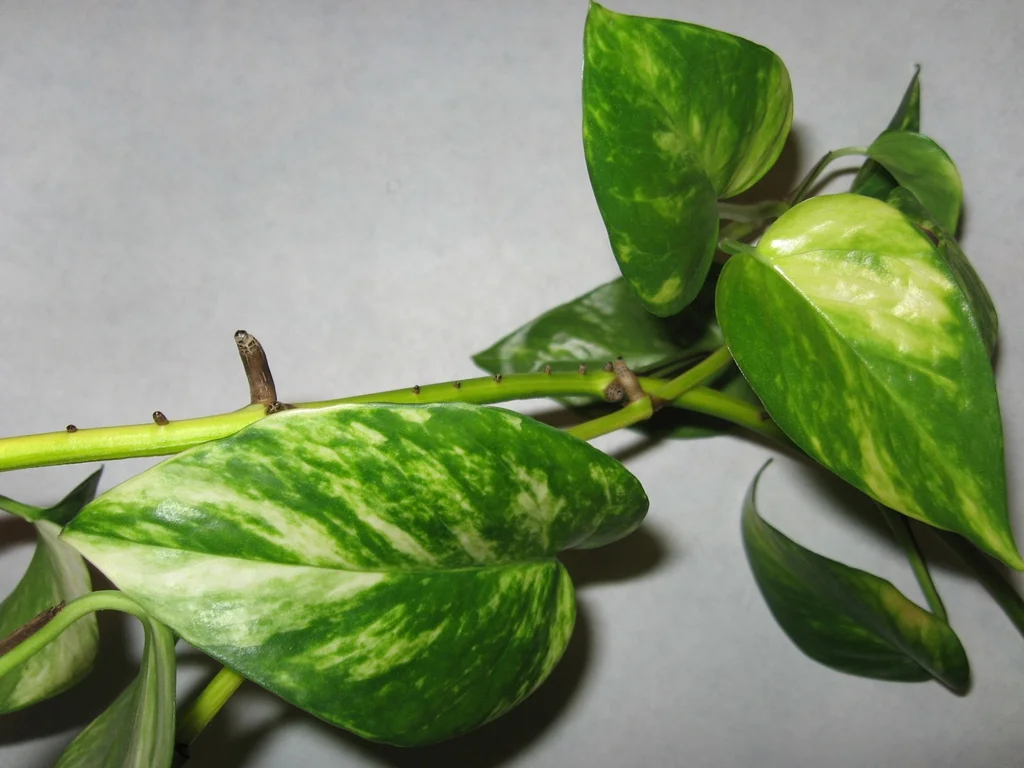
Keep foliage clear of cold drafts and radiators. Check the window area after closing curtains, when plants trapped behind them can become cold. Use the pothos growing guide for that plant's particular care.
Check moisture instead of repeating summer's schedule
Slower growth and lower light often reduce water use, while indoor heat can speed drying. Feel the mix and lift the pot; water when it reaches the drying point appropriate to that species. Let excess drain and empty the saucer.
Compare fall plant care with summer care, then return to the autumn garden guides for the outdoor jobs still on your list.
Sources & editorial notes
- Iowa State Extension: Moving Indoor Plants Outside for the Summer — returning indoors in fall
- University of Minnesota Extension: Managing insects on indoor plants
- RHS: How to grow houseplants
- RHS: Beautiful winter houseplants and how to care for them
Compiled with AI assistance from the linked horticultural references. This is general guidance, not a Plant Care Steps growing trial. Use local frost forecasts and advice for your climate. How we prepare our guides.