GROWING GUIDE
How to Grow Mint Indoors
How to grow mint indoors in its own draining pot at a bright window. Check the mix before you water, snip the tips, and keep runners from escaping the pot.
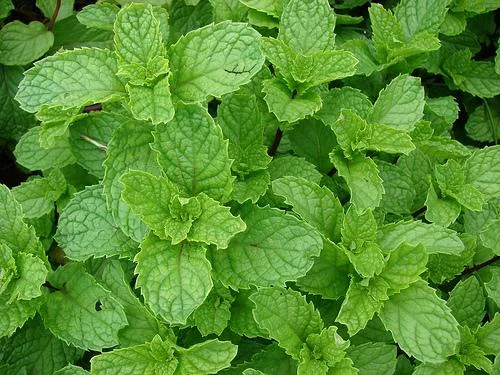
1. Give mint a pot that can contain it.
How to grow mint indoors still starts with a pot of its own. Spearmint spreads by runners. Utah State’s mint note, and the outdoor spearmint plan on this site, keep it out of an open bed for that reason. Indoors, use one draining pot. A 3-gallon pot is the outdoor recipe. A smaller pot can work on a windowsill if you water by feel and you do not let roots circle out of the drainage hole into a wet saucer.
Buy a labeled nursery plant. Peppermint and spearmint do not taste the same. Set the root ball at the depth it had in the nursery pot, in potting mix, not garden soil. The drainage steps apply: holes open, saucer emptied.
2. Put it in real window light.
Mint on a patio takes sun or part shade. A room that merely looks bright is often too dim. Use a sunny window, or a grow light you can compare with the indoor light guide. Turn the pot if it leans. Cold glass and a heater vent are a poor pair. Illinois Extension’s houseplant temperature range, about 65–75°F by day, is a reasonable indoor room. Mint is not a cactus. Do not park it in the darkest corner to “keep it easy.”
If the only spot fails that light check, grow the outdoor pot instead and bring cut stems in. The indoor plant care hub is the wider light-and-water habit.
3. Keep the mix lightly moist, and do not leave it soaking.
Outdoor mint on this site is watered when the top inch dries. Indoors, check before you pour. A pot in weaker light stays wet longer than the same plant on a windy patio. If the mix is still cool and damp, wait. If the top inch is dry, water until the pot drains, then empty the saucer.
Skip extra fertilizer while a fresh enriched mix still has its starter feed. After that, a light feed while the plant is making leaves is enough. The measured outdoor recipe is on the mint page. Do not pile a second fertilizer on top of it. Yellow, soggy stems are a drainage problem, not a feeding problem.
4. Snip tips, then dry what you will not use fresh.
Once stems are a few inches tall and the plant has settled, cut young tips and leave leaves below the cut. Regular modest harvests keep new growth coming. If flower buds appear, pinch them if you want leaves more than blooms.
Rinse only what you will dry or eat, and do not crush the leaves until you use them. The steps are in how to dry herbs. Basil in another sunny pot is the companion herb: basil plant care.
Common questions
Can mint grow indoors?+
Yes, in its own draining pot at a bright window. A dim kitchen will not match a sunny patio. Use the outdoor spearmint page for the 3-gallon patio recipe, and this page for the windowsill checks.
Why does mint need its own pot?+
Mint spreads by runners. A separate pot keeps it from taking over a bed or a mixed herb pot. Roots can still escape a drainage hole, so check the saucer.
How do I harvest indoor mint?+
Snip young stem tips and leave enough leaves for the plant to regrow. Do not strip it to the soil. Dry the extra with the herb-drying guide.
Sources & editorial notes
- Utah State University Extension: mint in the garden
- University of Minnesota Extension: growing herbs
- Illinois Extension: houseplant care
Sources checked November 4, 2026. Compiled with AI assistance from the linked pages. This is not a diagnosis, a pesticide dose, or a Plant Care Steps growing trial. Editorial responsibility.
Published · Updated