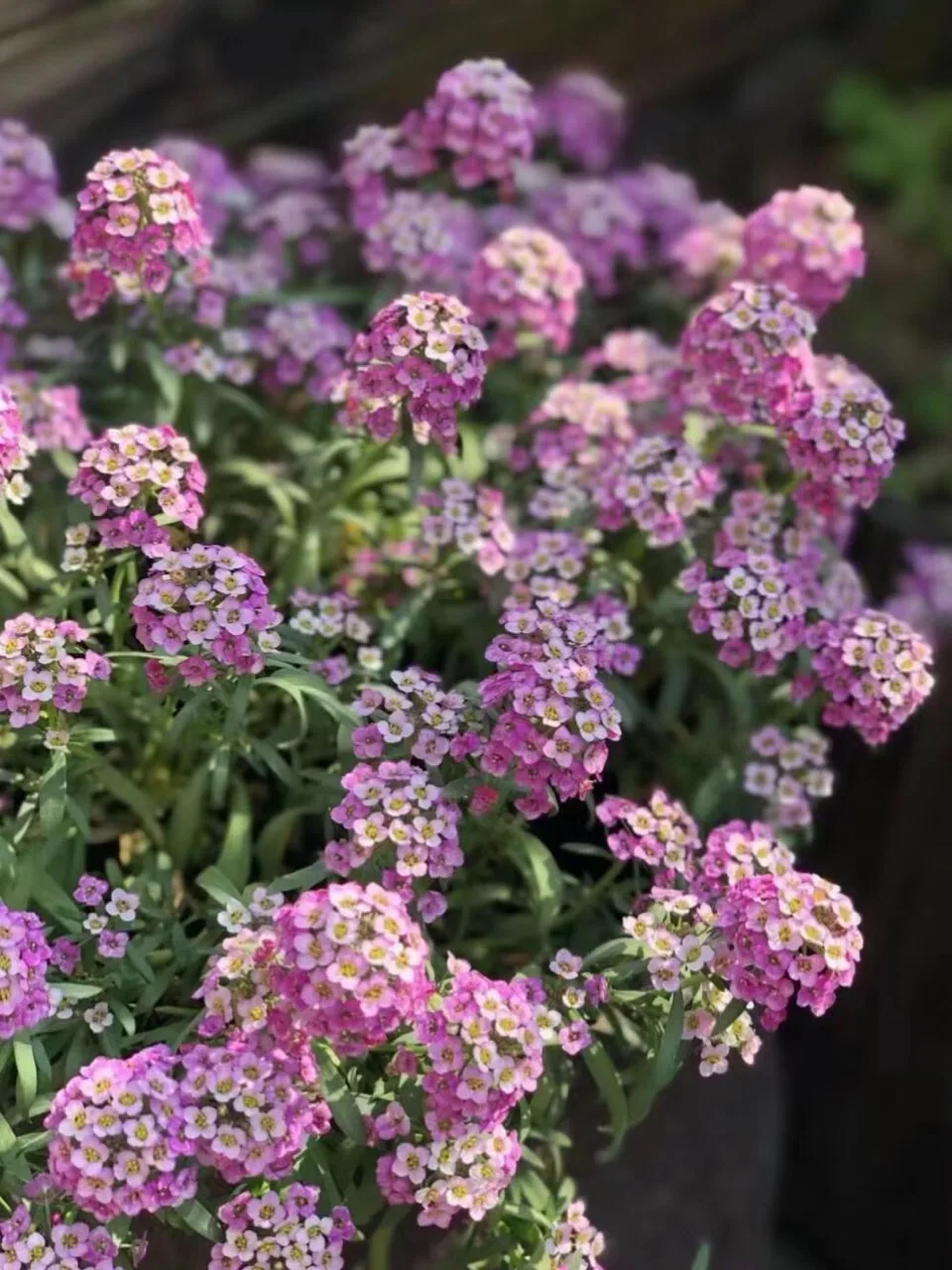
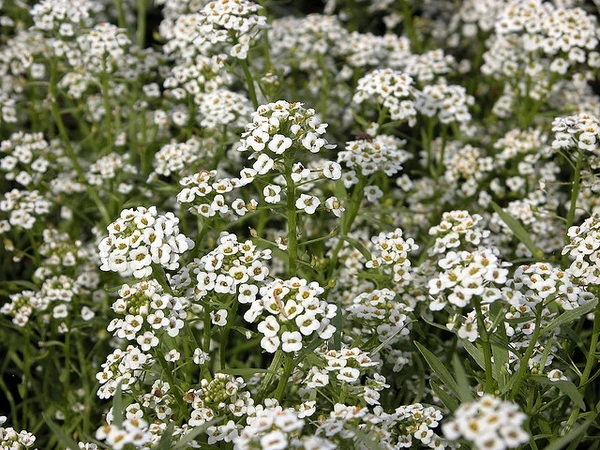
YOUR SIMPLE GROWING PLAN
One pot. Here’s the plan.
Before you start Start in mild spring or fall weather; in California, check local suitability before planting because sweet alyssum can escape gardens.
What you need · pot, mix & supplies
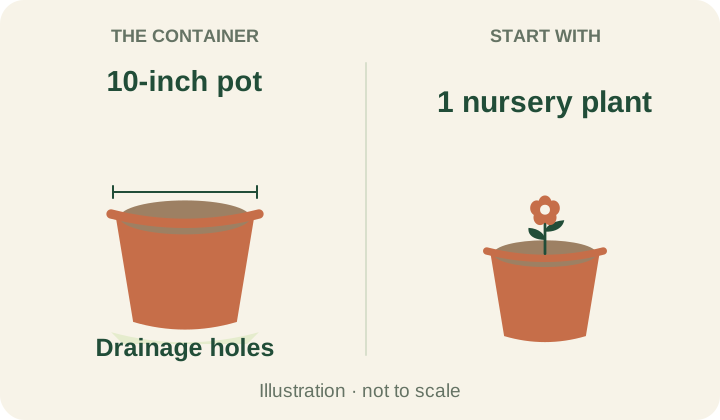
- One draining pot about 10 inches wide and at least 8 inches deep
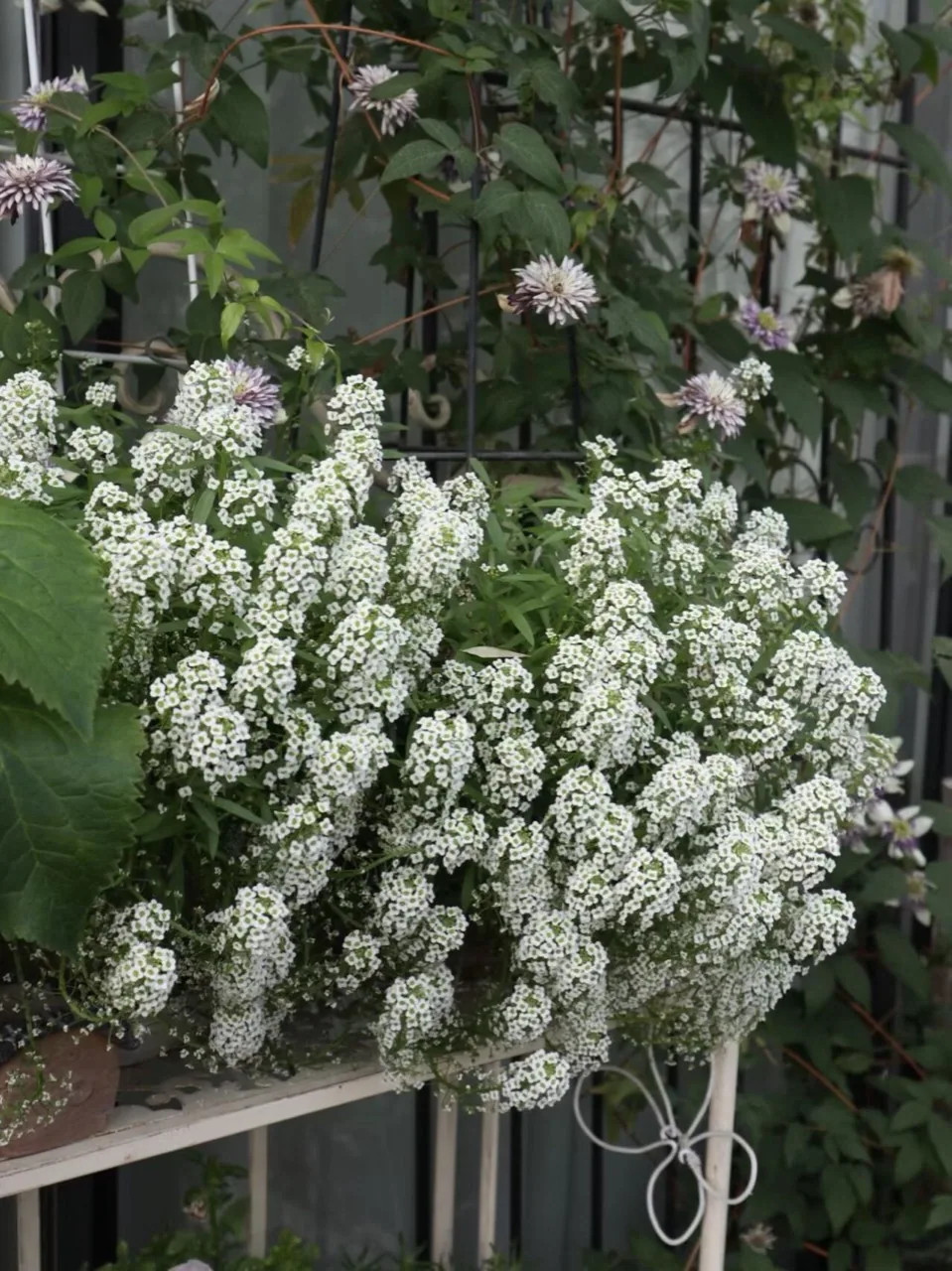
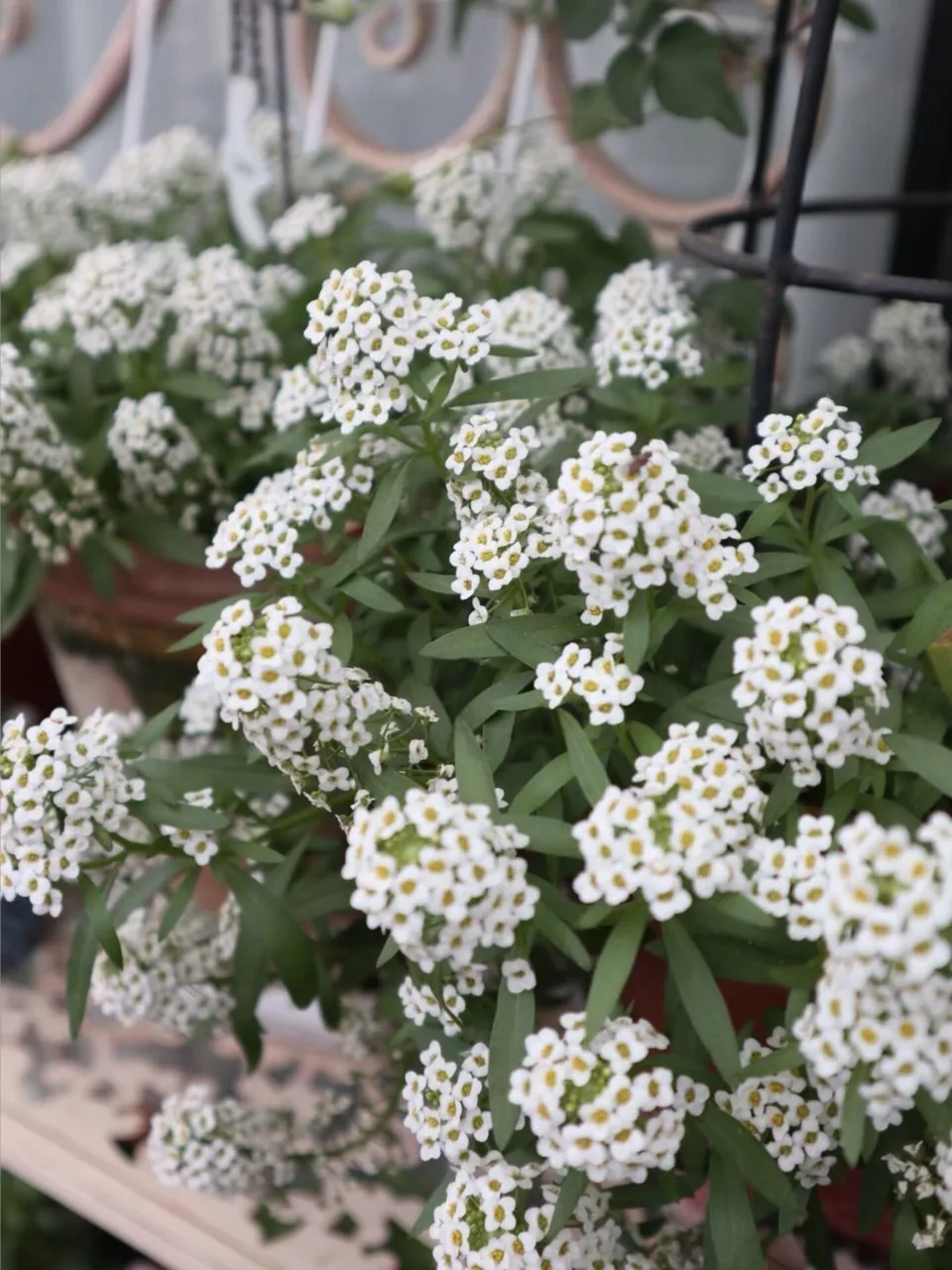
- 1 compact Carpet of Snow sweet alyssum nursery plant
- Fresh potting mix, a watering can, and scissors
The soil
Miracle-Gro Organic Potting Mix (US, feeds for up to 2 months)
A bright porch or patio in mild weather. Start with nursery plant.
At least 8 inches deep with drainage; let the plant spread over the rim.
Choose a small Carpet of Snow sweet alyssum start.
See the planting illustration
- 01
Give one plant its own pot
Fill with damp mix and leave an inch below the rim. A small start will spread; you do not need to cram in a whole bedding pack.
- 02
Plant at the existing level
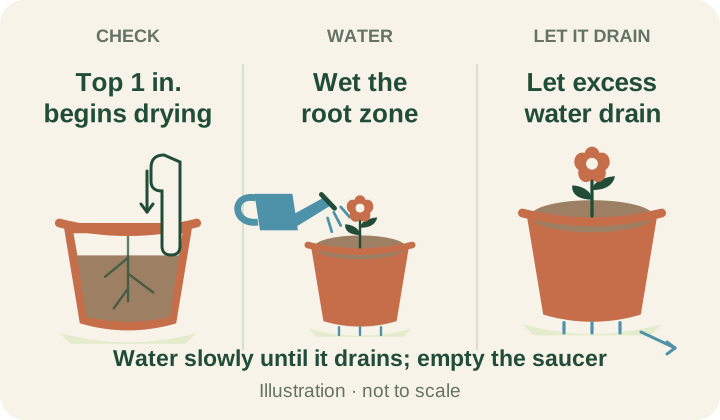
Keep the top of the root ball level with the surrounding mix. Water slowly until excess drains away.
- 03
Choose gentle sun in hot weather
Use a bright spot with afternoon shade when summers are intense. Check the mix rather than relying on flowers to tell you it is thirsty.
- 04
Trim a tired display
After a flush fades, lightly shear spent flowering tips, leaving leafy growth. Keep care steady while fresh shoots develop.
Other ways to start
Start with 6 tiny seeds+
Press 6 Carpet of Snow seeds onto the damp surface near the pot’s center; do not bury them. They need light. Mist gently as needed. Once seedlings have true leaves, snip extras and retain one strong plant for this pot.
YOUR EVERYDAY ROUTINE
Water & fertilizer at a glance.
- Water when
- Keep the seeded surface damp. Once established, water as the top inch starts drying; let the pot drain. Empty the saucer or outer pot after draining.
- Fertilizer
- Miracle-Gro Water Soluble All Purpose Plant Food (US 24-8-16)
- Amount
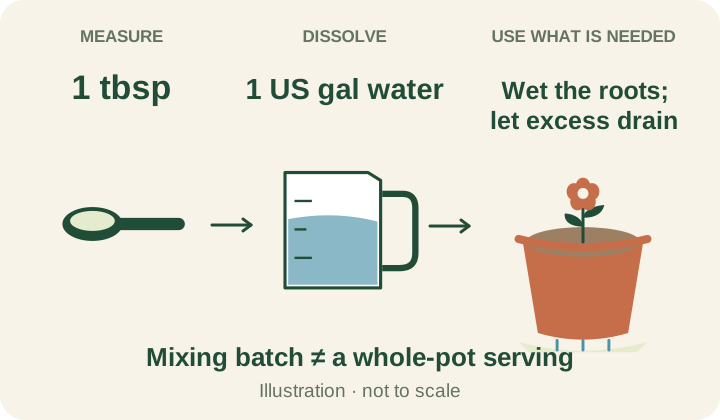
- 1 tablespoon in 1 US gallon of water
- What that amount covers
- Mix into water. Apply only enough solution to wet this pot and drain; the mixing batch is not the amount to pour on.
- How often to feed
- Every 14 days during active growth.
- When to start or pause
- After starter feed ends, feed only during active growth. Skip while another fertilizer is active; food will not correct summer heat.
Use level measures and the exact US formula shown. If your label differs, follow it; do not transfer this dose to another formula or combine feeding programs.
See the watering & feeding illustrations

US PRODUCT REFERENCE
Miracle-Gro
Water Soluble All Purpose
24-8-16Soluble: mix into water
Check the official US product ↗Illustrated reference; check the manufacturer’s current packaging and US label.
Sprouting and seasonal flowers
The named seed supplier gives about 5–14 days for germination in suitable warmth. A rooted nursery start gives a faster flower display. Growth forms a low mound, with flowering often slowing in hot summers.
Planting windows and regional suitability
Mild spring and fall conditions are useful starting windows. Regional suitability matters: sweet alyssum can escape gardens in parts of California, so check local advice before choosing it there.
For regional planting windows, find your local Cooperative Extension office ↗.
Something looking off?
Why did my white flowers stop blooming?+
Hot weather can slow flowering. Lightly trim faded growth, check moisture, and give afternoon shade in intense heat. Wait for cooler conditions instead of repeatedly increasing fertilizer.
Why did the seeds fail when I buried them?+
Sweet alyssum needs light to germinate. Press seed onto moist mix without burying it; keep the surface damp with gentle watering.
Will the plant spread outside its pot?+
It can reseed, so a pot does not contain the seeds. Remove spent growth before seed ripens and pull volunteer seedlings. Check local planting guidance, especially near natural areas.
Checking local suitability and plant size
Check local advice before allowing reseeding
California’s Invasive Plant Council lists sweet alyssum as Limited invasive. In affected areas, choose a locally recommended alternative rather than letting it reseed. This guide does not recommend it for every US location.
Choose a compact type for this pot
This plan uses a compact seed-grown type such as Carpet of Snow. Larger vegetatively propagated hybrids can spread much farther; check the mature width on a nursery label.
Sources, dates & detailed PDF
Editorial plans, not results from a Plant Care Steps growing trial. Compiled with AI assistance; they have not yet had an independent horticultural review. Editorial approach.
- NC State: sweet alyssum growth, light, and heat response ↗
- Sow Right Seeds: Carpet of Snow sowing and emergence ↗
- University of Minnesota: feeding and watering containers ↗
- Wisconsin Extension: general container feeding intervals ↗
- California Invasive Plant Council: regional sweet alyssum assessment ↗
- Manufacturer: US fertilizer formula and application directions ↗
- Manufacturer: starter feed in the named potting mix ↗
Something needs updating? Suggest a correction
Published · Updated
Sources checked View sources ↗
Detailed PDF ↓Full reference edition with expanded explanations and illustrations. Its publication dates appear in the file.