GROWING GUIDE
How to Grow Tomatoes
How to grow tomatoes in a garden or a large pot: sun, planting depth, steady water, and support. The container recipe on this site is one compact cherry tomato, not an empty tomato plant page.
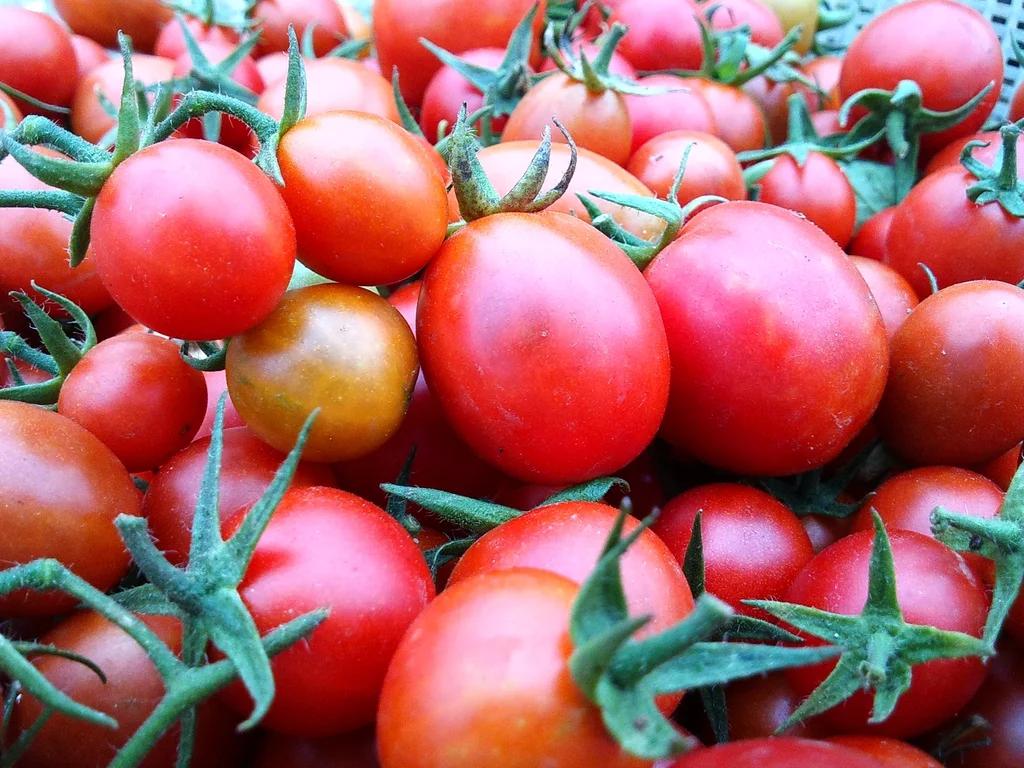
1. Give tomatoes real sun after frost.
How to grow tomatoes starts with heat and direct sun. University of Maryland Extension calls them a tender warm-season crop: frost injures the top, and they want at least 6 hours of direct light, preferably 8 to 10. A bright porch that never gets direct sun is not that spot.
Wait until local frost risk has passed and the soil has warmed. A warm afternoon does not cancel a cold night. The published container plan on this site is one compact or patio cherry tomato in a 10-gallon pot with drainage. That page is the pot recipe. This page is the wider job. There is no separate tomato species page, because a full-size vine and a dwarf cherry are not the same project.
2. Choose the plant habit, then set the stem.
Read the label. Determinate plants stop at a set height. Indeterminate vines keep growing until frost. Patio and dwarf types are the ones that belong in a single large pot. A cherry tomato labeled as a 7-foot vine will not stay inside a small cage just because the fruit is small.
University of Maryland says to set a garden transplant so only two or three sets of true leaves remain above the soil, and to avoid burying the root ball in cold soil. Roots form along a buried tomato stem. The cherry tomato pot steps use the same idea at container scale: remove the lowest leaves and set the stem slightly deeper than the nursery level, in moist potting mix, not garden soil. Put the cage in while the roots are still small.
One plant in that 10-gallon pot. Two plants make water, feed, and support harder. A garden row is a different spacing: Maryland’s home-garden range is about 18–36 inches in the row and 4–5 feet between rows, depending on staking. Do not copy the pot onto the row, or the row spacing into the pot.
3. Keep the root zone steadily moist.
Swing from bone-dry to soaked and the fruit suffers. Maryland’s home-garden note is to water deeply during dry spells, and more often once blossoms start. In a pot, check every morning. Water when the top inch is dry, at the mix, and let the excess drain. Empty the saucer.
A dark, sunken patch at the bottom of the fruit can be blossom-end rot. The vegetable watering guide is the check to use before you add a home remedy. Maryland says not to add Epsom salt unless a soil test shows a magnesium deficiency. Do not treat every blemish as a fertilizer shortage. Feed from the cherry tomato page only after the mix’s starter charge is used up and the plant is growing.
4. Support the plant you actually bought, then pick ripe color.
Install support at planting. A compact patio plant can use a cage matched to its mature size. An indeterminate garden plant needs a stake or a cage tall enough for a vine that does not stop. Maryland describes 6- to 8-foot stakes driven in beside the plant, or a wire cage, so fruit stays off the soil. Tie loosely. Do not wait until the vine has fallen over.
Many varieties are about 65–90 days from transplant, and a single plant in good conditions can be a heavy crop. Your label beats either number. Pick when the fruit reaches that variety’s ripe color. Maryland also says you can pick as color starts and finish ripening indoors at room temperature, and not to refrigerate tomatoes. A green fruit before a killing frost is a different storage job.
Basil in a nearby sunny pot is a kitchen neighbor, not a pest-control system. Use basil plant care for the herb and how to grow strawberries if the next sunny pot is fruit. Spent tomato vines can go in a home pile only if they are not diseased: how to compost at home.
Common questions
How much sun do tomatoes need?+
University of Maryland Extension says tomatoes need at least 6 hours of direct sun and prefer 8 to 10. A shady porch will not substitute for that light.
Can I grow tomatoes in a pot?+
Yes, if you choose a compact or patio variety and a large draining pot. This site’s published container recipe is one dwarf or patio cherry tomato in a 10-gallon pot. A full-size indeterminate vine needs a different support plan.
Why do tomato bottoms turn black?+
That pattern can be blossom-end rot, which is often uneven moisture rather than a missing home remedy. Check water and roots before adding anything. Do not add Epsom salt unless a soil test shows a magnesium deficiency.
Sources & editorial notes
- University of Maryland Extension: growing tomatoes in a home garden
- University of Maryland Extension: containers
- University of Minnesota Extension: tomato disorders
Sources checked November 4, 2026. Compiled with AI assistance from the linked pages. This is not a diagnosis, a pesticide dose, or a Plant Care Steps growing trial. Editorial responsibility.
Published · Updated