YOUR SIMPLE GROWING PLAN
One pot. Here’s the plan.
A sunny patio during a cool growing spell. Start with seeds.
One square planter with drainage and room for a 3 × 3 grid.
Two seeds at each of 9 spots, with 3 inches between spots.
- 01
Prepare a soft seed surface
Fill with damp potting mix and remove large hard chunks from the sowing area. Leave about an inch below the rim.
- 02
Make a nine-spot grid
Mark a centered 3 × 3 grid, with spots 3 inches apart. Sow 2 seeds at each spot, ¼ inch deep.
- 03
Keep nine seedlings
Keep the shallow seeded layer moist. When seedlings are about 3 inches tall, snip extras at soil level and leave one carrot per spot.
- 04
Pull one to check
Near the packet’s harvest date, moisten and loosen the mix around one root. Pull gently to check its size before harvesting the rest.
Another way to start
Use seed tape or pelleted seed+
Choose a short-rooted carrot suited to containers and sow it directly in the final planter. Arrange nine final positions about 3 inches apart and follow that packet’s sowing directions. Do not transplant the extras; disturbed taproots can become misshapen.
When to water.
Check each morning. Until sprouts appear, keep the shallow seeded layer consistently damp with gentle watering. Afterward, water when the top ½–1 inch begins drying, keeping deeper mix evenly moist. Let excess drain. Repeated drought followed by a big soaking can contribute to cracked roots.
Exactly what to feed it.
For a first crop in fresh enriched mix, plan on no fertilizer at sowing. A short carrot crop may finish before it needs more. Do not add a weekly high-nitrogen feed to chase bigger roots.
ONLY IF THE MIX NEEDS REPLENISHING
Miracle-Gro Water Soluble All Purpose Plant Food (US 24-8-16)
After the bag’s starter-feeding period, if foliage is pale and growth remains weak despite suitable light and moisture, one outdoor label-rate feeding is an option: 1 tablespoon of the US 24-8-16 product in 1 gallon of water. Use enough to wet this planter and drain, then reassess. This is a conditional top-up, not a recurring carrot schedule.
Check the manufacturer’s product page ↗Use the named US formulation. A different product or concentration needs different directions. The amount mixed is a batch, not a dose to pour into one pot.
A little patience pays off.
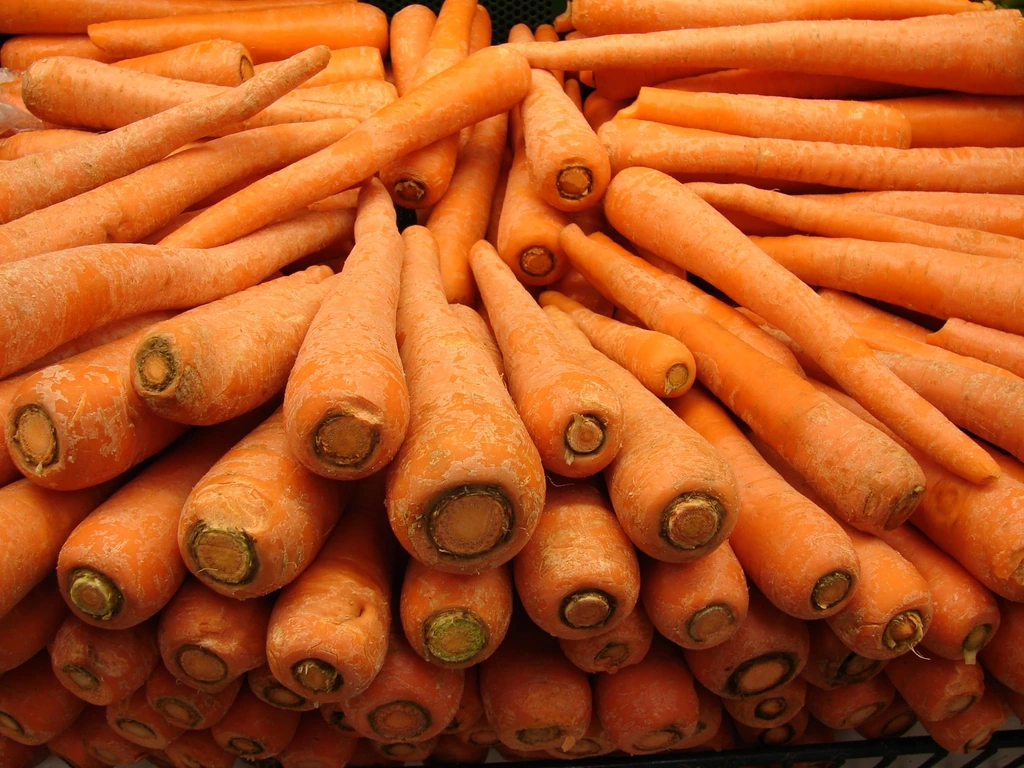
Allow up to 3 weeks for sprouts. Short ’n Sweet produces roots about 4 inches long and is listed at about 68 days from sowing; your crop can take longer in cool or less favorable conditions.
When should I start where I live?+
A cool spring or fall growing period is the simple default. Keep the seed surface from drying out, especially if sowing for fall during hot weather. Ask local Extension for planting windows.
For regional planting windows, find your local Cooperative Extension office ↗.
Something looking off?
Why have the seeds not come up?+
Carrots can take several weeks. Keep the seed layer moist and avoid repeatedly disturbing it. If gaps remain after the expected emergence period, sow new seed in those spots.
Why are there big leaves but tiny roots?+
Check crowding first: retain just one carrot per spot. Extra nitrogen can also favor leaves, so do not add more fertilizer automatically.
Can I regrow a carrot from its cut-off top?+
A carrot top can grow more foliage, but it will not make a replacement edible taproot. Sow a fresh seed for another carrot.
A little more growing know-how.
Use a short-rooted cultivar+
Short ’n Sweet is our named example. If you choose Little Finger or a short Chantenay instead, follow that packet’s root size and maturity date. Long carrots need a different depth plan.
Why roots fork or split+
Obstacles and damaged young roots can cause forking; uneven moisture can contribute to cracking. Existing roots will not straighten, but smoother mix and steadier care help the next crop.
BEHIND THIS GUIDE
Where the advice comes from.
Plant care is based on the sources below. Planting layouts and beginner routines combine that guidance into one practical plan; they are editorial choices, not results from a Plant Care Steps growing trial.
- Burpee: Short ’n Sweet root size and maturity ↗
- University of Maryland: carrot sowing, thinning, and nutrition ↗
- University of Minnesota: carrot root development and problems ↗
- Illinois Extension: vegetable container spacing ↗
- Oregon State: why carrot tops do not regrow taproots ↗
- Manufacturer: US fertilizer formula and application directions ↗
- Manufacturer: starter feed in the named potting mix ↗
Compiled with AI assistance. These first-edition guides have not yet had an independent horticultural review. Read our editorial approach.