GROWING GUIDE
How Often to Water Plants: Check the Mix, Not the Calendar
Decide when to water by feeling the mix, lifting the pot, and reading that plant’s guide. One schedule does not fit houseplants, herbs, and vegetables.
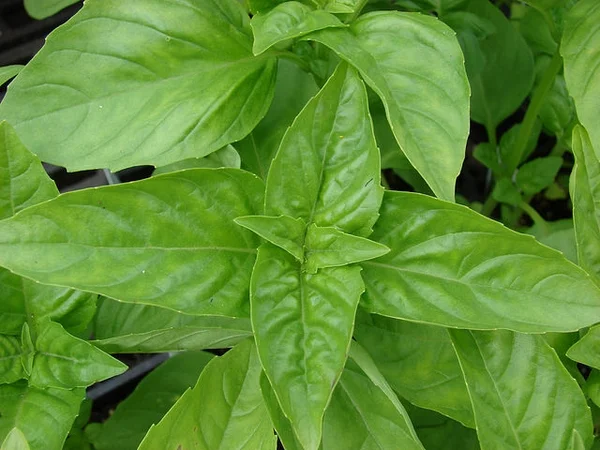
1. Check the root zone before you pour.
How often to water plants is a check, not a calendar. Push a finger into the mix or soil. Lift a small pot. Look at whether water sits in the saucer. Then open the guide for that species. A pothos that should dry between waterings and an arugula pot that should stay moist are not on the same schedule.
- Still cool and damp: wait. Adding water now is how roots sit too wet.
- Dry to the depth that plant’s guide names: water thoroughly and let excess drain.
- Wilted and wet: do not water again. Check drainage. Yellow leaves in a wet pot are not a request for more water.
The container basics on drainage cover holes and saucers. Species pages, not this one, name the depth to feel.
2. Outdoor pots dry unevenly.
Wind, sun, a small pot, and a crowded root ball dry a container faster than the same plant in the ground. Illinois Extension’s container guidance is to water thoroughly and then let the pot drain, rather than sprinkling the surface every time you walk by. Empty the saucer so the pot is not standing in the runoff.
Vegetable pots on this site, including zucchini, cabbage, and beets, each say when the top inch is dry enough. Follow those sentences. A hot afternoon may need a second look; a cool cloudy day may need none.
3. Indoor pots often stay wet longer than you think.
Houseplants in lower light use water slowly. Illinois Extension’s houseplant watering notes start with the mix, not a weekday. Heartleaf philodendron should dry somewhat between waterings. A snake plant should dry further. If you are comparing yellow leaves on a pothos, use the pothos yellow-leaf checks and the root-rot guide instead of a general soak.
4. Beds are not pots.
Garden soil holds water differently from a container. Daffodils, coneflowers, and black-eyed Susans in a bed usually need water at planting and during dry spells, not a daily splash. Feel the soil a couple of inches down. If the bed stays soggy, drainage is the problem to fix. Do not copy a pot’s “top inch” rule onto clay without looking at the plant’s own page.
Rain counts. A rain gauge or a simple look at the soil beats watering because the forecast app said “sun.”
Common questions
How often should I water plants?+
There is no single number of days or cups that fits every plant. Check the mix or soil first. Water when that plant’s guide says the root zone is dry enough, then let excess drain.
Should I water on a schedule?+
Use a reminder to check, not a promise to pour. A cool room, a rainy week, or a huge pot can stay wet long after a sunny herb pot has dried.
Is yellow leaves a sign to water?+
Not by itself. Constantly wet roots can yellow leaves too. Feel the mix and look at drainage before you add water.
Sources & editorial notes
- Illinois Extension: watering container gardens
- Illinois Extension: watering houseplants
- University of Minnesota Extension: fertilizing and watering container plants
Sources checked November 4, 2026. Compiled with AI assistance from the linked pages. This is not a diagnosis, a pesticide prescription, or a Plant Care Steps growing trial.
Published · Updated