YOUR SIMPLE GROWING PLAN
One pot. Here’s the plan.
Before you start Start with a labeled Salvia officinalis in a sunny, fast-draining pot. Keep winter rain from sitting around the crown.
What you need · pot, mix & supplies
- 1 rooted Salvia officinalis
- A pot with open drainage holes
- Free-draining potting mix and clean scissors
The soil
A free-draining container mix. Garden soil packed into a pot stays too wet for sage.
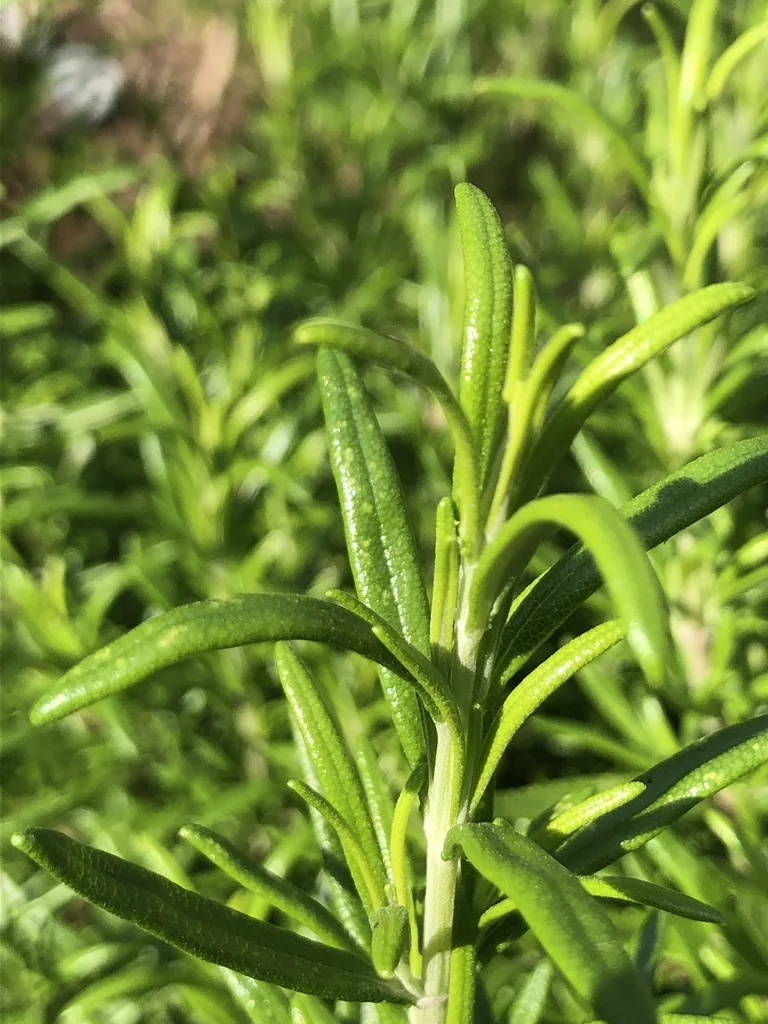
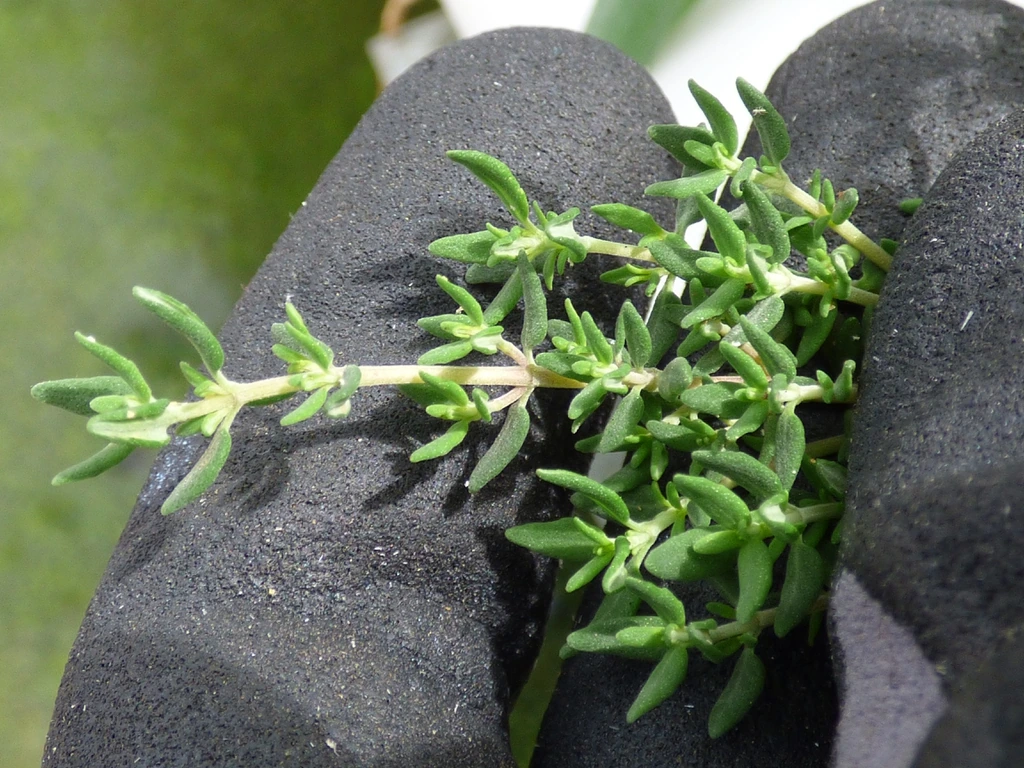
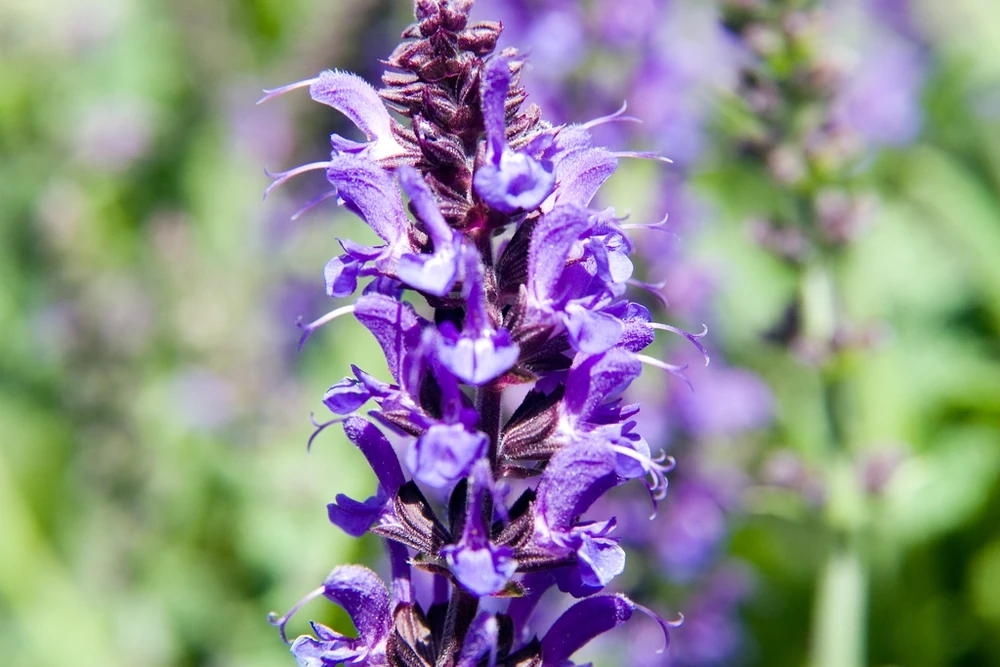
Is this your plant? The label should say Salvia officinalis or common sage. Ornamental salvia grown for flower spikes, including the salvia guide on this site, is a different plant. Do not cook from an unlabeled flowering salvia.
A sunny patio pot with fast drainage. Start with nursery plant.
An 8- to 12-inch pot with drainage holes is enough for one young plant. Move up only when roots are crowded, still using a freely draining mix.
Buy a labeled Salvia officinalis. Variegated and purple-leaf forms are still this species, but flavor and hardiness vary. Ornamental Salvia nemorosa is a different plant.
- 01
Check the botanical name
The label should say Salvia officinalis or common sage. If it is only “salvia” with flower spikes, use the ornamental salvia guide instead.
- 02
Pot for drainage
Set the crown at the same level as in the nursery pot. Use a mix that drains quickly and a pot you can lift out of any saucer.
- 03
Give it sun
Place it where it gets at least 6 hours of direct sun. Ease a greenhouse plant into outdoor light over several days.
- 04
Water after the top dries
Feel the mix. When the upper inch is dry, water through and empty the saucer. In winter, water even less and keep rain from sitting in the pot.
- 05
Snip a little at a time
Once the plant is growing, cut a few stem tips, leaving plenty of leaves. Do not shear a young plant to the wood. Stop heavy cutting as growth slows in fall.
Other ways to start
Start cuttings later+
Soft tip cuttings from a healthy culinary sage can root in a freely draining mix. Seedlings may vary in flavor; a cutting matches the parent plant.
Plant in a raised, sunny bed+
Sage also suits a well-drained garden spot. An exposed pot freezes and waterlogs faster than roots in the ground. Use local winter guidance.
YOUR EVERYDAY ROUTINE
Water & fertilizer at a glance.
- Water when
- Let the upper inch dry, then water through and empty the saucer. Keep the crown out of winter wet.
- Fertilizer
- Fertilizer labeled for edible herbs, only if needed
- Amount
- Use the herb or container rate on that label.
- What that amount covers
- A light dose for the whole pot. Do not use a vegetable-bed rate.
- How often to feed
- Rarely. An older plant in tired mix may need one feeding during active growth.
- When to start or pause
- Skip at potting if the mix is already fed. Skip winter and any plant sitting in wet mix.
Salvia officinalis only. Ornamental salvia is a different plant.
Leaf harvest and winter survival
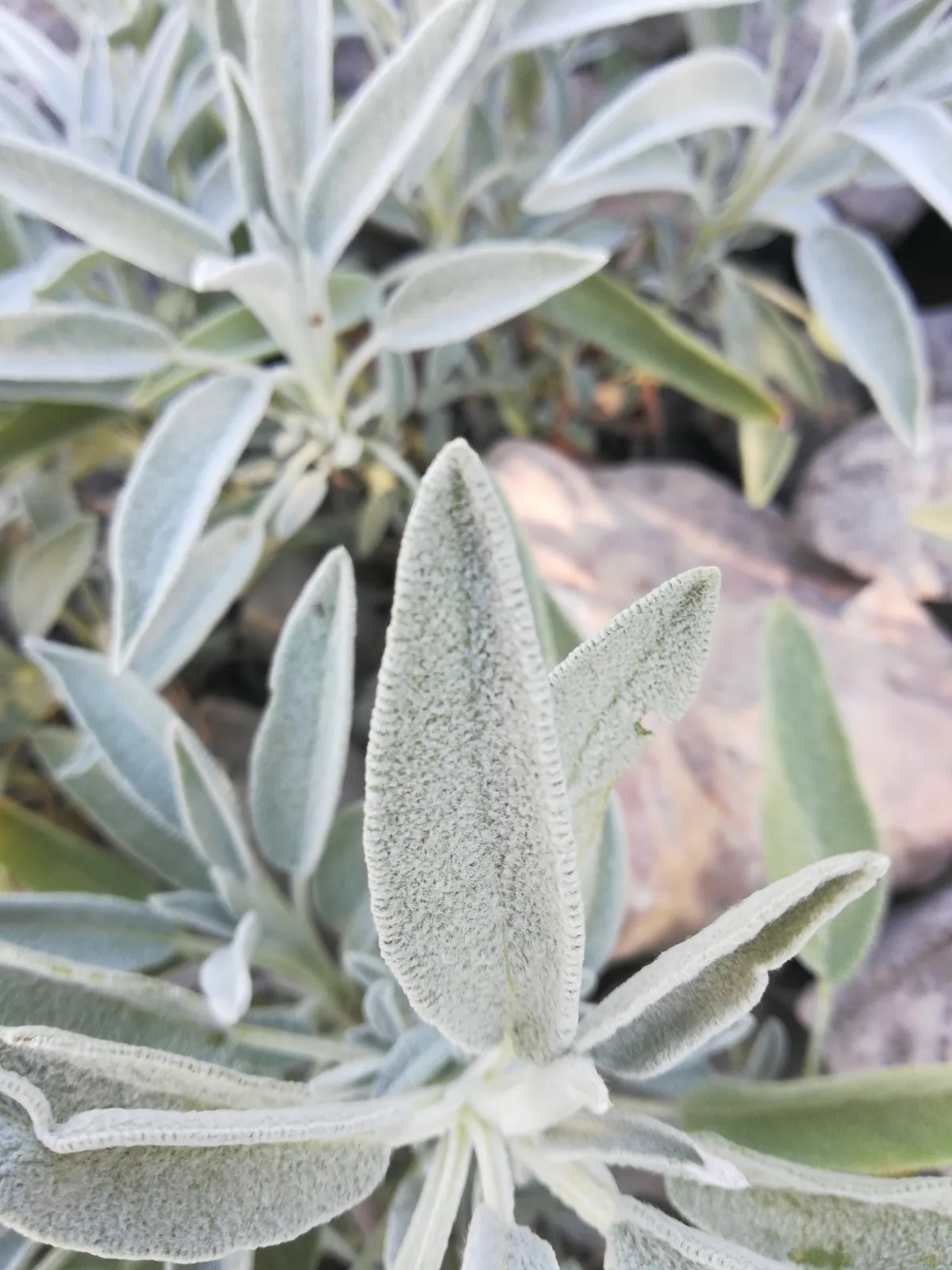
A woody perennial herb with gray-green leaves. You can take small harvests once it has settled and made new growth. Flavor is stronger on unstressed plants in sun. Winter survival depends on drainage, the cultivar, and your climate; a pot is less protected than the ground.
Plant after hard frost, and plan for winter wet
Plant in spring after hard frost, or in early fall where winters are mild and the mix will not stay soggy. Do not put a tender new plant out into a freeze.
For regional planting windows, find your local Cooperative Extension office ↗.
Something looking off?
How do I grow sage in a pot?+
Use one Salvia officinalis in a sunny, draining pot. Water when the top inch is dry, harvest lightly, and keep winter roots out of standing water.
Is culinary sage the same as salvia flowers?+
No. This guide is Salvia officinalis. The salvia guide on this site is an ornamental type grown for flower spikes. Read the label before you cook with a plant.
Why is my sage dying in winter?+
Cold plus wet mix is a frequent cause. Improve drainage, empty the saucer, and shelter the pot from constant rain. Fertilizer will not dry a waterlogged crown.
Can I eat ornamental salvia?+
Do not assume a flowering salvia is a kitchen herb. Use only plants identified and sold as culinary Salvia officinalis, and do not eat plants treated with products that are not labeled for herbs.
How much should I harvest?+
Take tips and leave most of the foliage, especially in the first year. Heavy cutting into old wood can stall the plant.
Drainage, renewal, and the right plant
Drainage matters more than feed
Sage is a Mediterranean herb. A rich, wet pot produces weak growth and root trouble. Sun and a dry-down between waterings do more than fertilizer.
Replace a woody plant with a cutting
After several years sage can become twiggy. Root a cutting from healthy growth rather than trying to force an exhausted crown with extra feed.
Do not cook from the wrong salvia
Purple flowers on a nursery “salvia” are not proof of culinary sage. Match the species name on the label.
Help with your next step.
- Water by feel, not by the weekday
Sage wants a dry-down. A vegetable pot’s moist mix would be too wet.
- Confirm the pot can drain
Winter wet is the usual way to lose culinary sage in a container.
Sources & dates
Editorial plans, not results from a Plant Care Steps growing trial. Compiled with AI assistance; they have not yet had an independent horticultural review. Editorial approach.
Something needs updating? Suggest a correction
Published · Updated
Sources checked View sources ↗