YOUR SIMPLE GROWING PLAN
One pot. Here’s the plan.
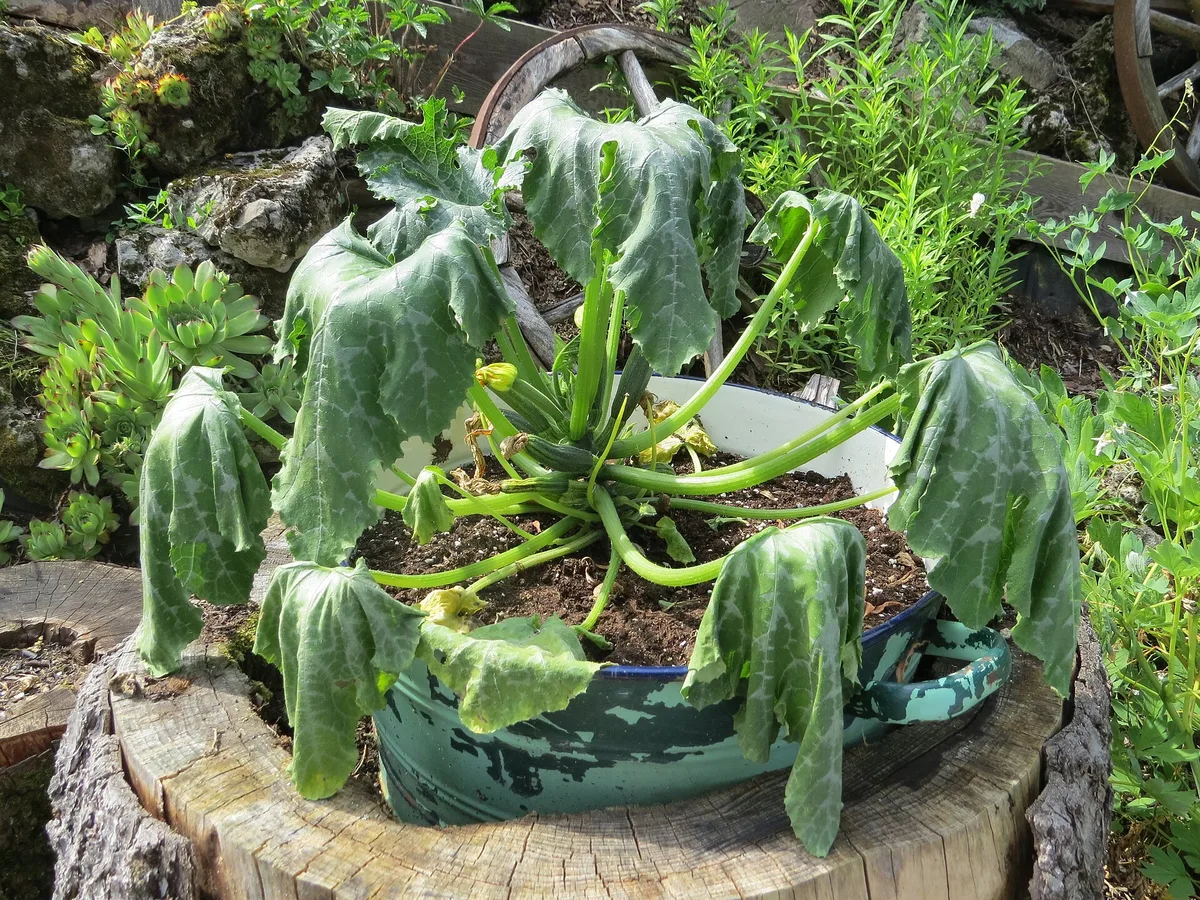
Before you start Plant one bush zucchini outdoors only after frost risk has passed and the mix is warm. Read the label so you are not starting a long vine in this pot.
What you need · pot, mix & supplies
- One draining pot, about 10 gallons or larger
- Bush zucchini seed or 1 nursery start
- Potting mix, a watering can, and a saucer you can empty
The soil
Fresh container potting mix that drains. Do not fill the pot with garden soil.
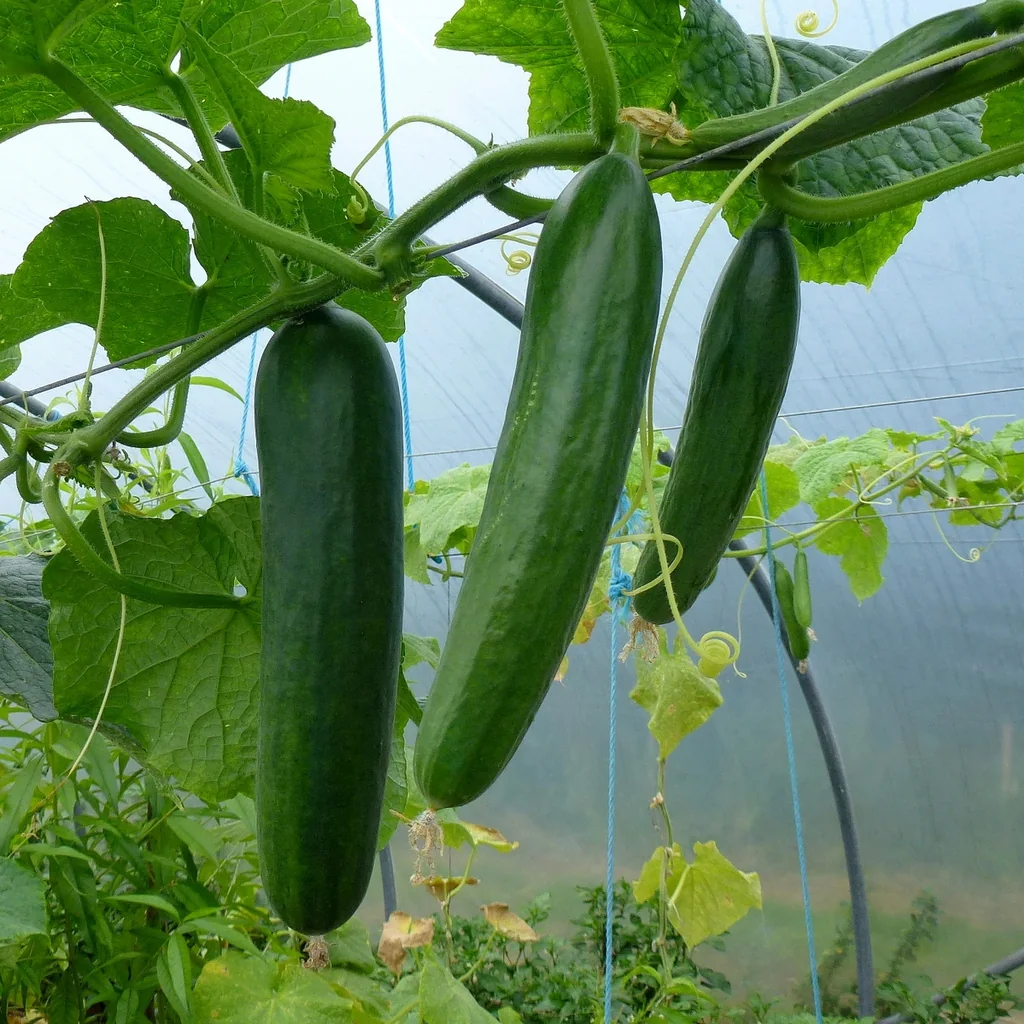
Is this your plant? Use a bush or patio summer squash. Long vining zucchini and winter squash need more room than this 10-gallon pot. This is not a cucumber.
A sunny patio after the weather has warmed. Start with seed or one transplant.
One plant needs a draining pot of about 10 gallons or larger, at least 12 inches deep. A lighter-colored pot heats the roots less in midsummer.
Choose a compact or bush zucchini, or a nursery start labeled for containers. A long vining summer squash needs a different, larger plan.
- 01
Wait for warm mix
Plant outdoors after frost risk has passed and nights are reliably mild. Cold soil stalls summer squash.
- 02
Plant one bush start
Sow 2–3 seeds 1 inch deep at the center and thin to the strongest plant, or set one transplant level with the mix. Leave the rim free so you can water.
- 03
Water the mix, not the leaves
Check daily once the plant is large. When the top inch starts to dry, water until excess drains, then empty the saucer. Mulch the surface if wind dries the pot fast.
- 04
Watch the flowers
Male flowers often open first, on thin stems. Female flowers have a tiny fruit behind the petals. If fruit shrivels, move pollen from a male flower onto a female stigma with a clean brush or the male flower itself.
- 05
Pick small and often
Cut fruit when it is still tender, often around 6–8 inches for many green zucchini. Leaving giants on the plant slows the next fruit.
Other ways to start
Use a garden bed instead+
The same bush plant can go in a sunny, well-drained bed with several feet of space. Bed soil stays cooler than a dark pot; water by feel, not by the pot schedule.
Skip the pot if the label says vine+
Some summer squash trail for many feet. Read the mature size. This 10-gallon plan is for a compact bush type only.
YOUR EVERYDAY ROUTINE
Water & fertilizer at a glance.
- Water when
- Check daily in heat. Water when the top inch starts to dry, wet the root zone, and empty the saucer.
- Fertilizer
- Fertilizer labeled for edible container plants
- Amount
- Use the rate printed on that product for your pot.
- What that amount covers
- The label’s container or edible-plant rate applies to the pot you have, not a guessed spoon dose from another formula.
- How often to feed
- Only while the plant is actively growing, and only as often as that label allows.
- When to start or pause
- Skip extra feed at planting if the mix already contains a starter charge. Do not feed a wilted, waterlogged, or finished plant.
One bush plant. Hand-pollinate if fruit shrivels. Pick while fruit is small.
Fruit timing for one bush plant
From a warm-season start, many bush zucchini begin fruiting in roughly 45–60 days, depending on the variety and weather. One healthy plant can produce more fruit than a small household wants if you keep picking. A failed early fruit is often poor pollination, not a reason to add fertilizer.
Plant after frost, in warm weather
Plant after your local last frost, with enough warm weeks left for the packet’s days-to-harvest. Zucchini will not crop through a cold winter outdoors.
For regional planting windows, find your local Cooperative Extension office ↗.
Something looking off?
How do I grow zucchini in a pot?+
Use one compact bush plant in a draining pot of at least 10 gallons. Give it full sun, water when the top inch dries, and pick fruit while it is small. Vining types need more room than this plan.
Why is my zucchini flowering but not making fruit?+
Early flowers are often male and cannot become fruit. Female flowers need pollen. If bees are scarce, transfer pollen by hand. Shriveled baby fruit is a common sign that pollination did not take.
Why are zucchini leaves turning yellow?+
Do not treat yellow leaves as one problem. Check moisture and drainage first, then look for powdery white growth, chewing pests, or a finished older leaf. Use the zucchini yellow-leaf checks before spraying or feeding.
How often should I water zucchini in a pot?+
There is no fixed every-day rule. Check daily in heat and water when the top inch starts to dry, until the pot drains. A cool, cloudy day may need nothing.
Can I grow two zucchini in this pot?+
No. One bush plant fills a 10-gallon pot. A second plant makes watering and airflow harder and usually yields less fruit per plant.
Spacing, harvest, and yellow leaves
Why this pot holds one plant
Summer squash leaves are large. One bush plant is the workable patio crop. Crowding two plants into the same pot usually means smaller fruit and leaves that stay damp.
Pick fruit while it is small
Oversized zucchini are seedy and they tell the plant to slow down. Cut fruit with a bit of stem while the skin is still easy to pierce with a fingernail.
Yellow leaves need a separate check
Uneven water, mildew, and ordinary old leaves can all look yellow. Compare the pattern on the zucchini yellow-leaf guide before changing fertilizer.
Help with your next step.
- Decide when a pot actually needs water
A zucchini pot can need a drink daily in heat and nothing on a cool day.
- Check yellow zucchini leaves
Sort wet mix, drought, old leaves, and powdery mildew before you feed.
- Set up a pot that drains
Summer squash hates a saucer left full of water.
Sources & dates
Editorial plans, not results from a Plant Care Steps growing trial. Compiled with AI assistance; they have not yet had an independent horticultural review. Editorial approach.
- Clemson HGIC: summer squash planting, harvest, and pollination ↗
- RHS: courgette sowing, watering, and picking ↗
- Maryland Extension: vegetable containers and drainage ↗
Something needs updating? Suggest a correction
Published · Updated
Sources checked View sources ↗