YOUR SIMPLE GROWING PLAN
One pot. Here’s the plan.
A sunny patio with good air movement. Start with nursery plant.
About 12 inches wide and deep, with open drainage holes.
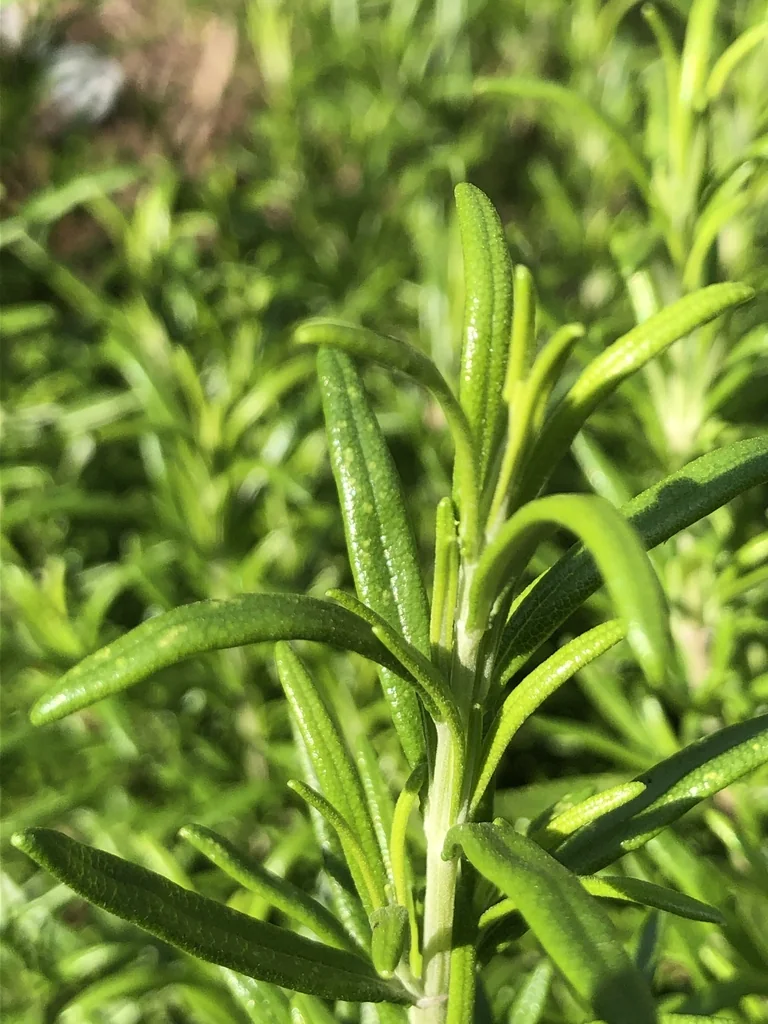
A small established culinary rosemary, not a freshly rooted cutting.
- 01
Start with a rooted plant
Choose a healthy culinary rosemary with a developed root ball. If you have only a tiny rooted cutting, let it fill its small nursery pot first.
- 02
Keep the stem base clear
Plant at the same soil level as the nursery pot. Do not bury the woody stem. Water once to settle the mix and let it drain.
- 03
Find its sunny spot
Give the leaves plenty of sun and space for air movement. Check the mix before adding more water.
- 04
Snip a few tender tips
After new growth appears, take a few leafy shoot tips for cooking. Keep most of the foliage; avoid cutting back into bare, old wood.
Another way to start
Root a stem-tip cutting+
Take a healthy growing tip about 6 inches long and remove its lower leaves. Use rooting hormone according to its label and insert the bare lower stem into a small pot of airy propagation mix. Keep that mix lightly moist in bright indirect light. Pot up after roots develop; do not promise a fixed rooting date or put the cutting straight into a large wet pot.
When to water.
Check the pot each morning outdoors. Let the top 1–2 inches become dry before watering thoroughly and draining. Do not let the root ball remain bone-dry, but do not keep topping up damp mix. Persistent wetness is especially troublesome in cool weather. Empty the saucer after each watering.
Exactly what to feed it.
Fresh enriched potting mix supplies the starting nutrients. Add no fertilizer at planting; rosemary does not need the weekly feeding routine of a hungry summer vegetable.
A GENTLE FEED DURING ACTIVE OUTDOOR GROWTH
Miracle-Gro Water Soluble All Purpose Plant Food (US 24-8-16)
When the bag’s starter feed needs replenishing, mix 1½ teaspoons of the US 24-8-16 product into 1 gallon of water. Apply at the roots every 3–4 weeks while growing outdoors. This half-strength outdoor dilution follows Minnesota Extension’s container-herb guidance. Use only enough to wet the pot and drain. Skip during slow, dim winter growth.
Check the manufacturer’s product page ↗Use the named US formulation. A different product or concentration needs different directions. The amount mixed is a batch, not a dose to pour into one pot.
A little patience pays off.
Once the plant has settled, look for fresh tips before taking small harvests. An established nursery plant gives a much quicker start than seed, which can be slow and variable.
When should I start where I live?+
Use this plan outdoors in warm weather. In cold-winter regions, protect the pot before frost. Overwintering indoors needs strong light and careful watering; rosemary is not a low-light shelf plant.
For regional planting windows, find your local Cooperative Extension office ↗.
Something looking off?
Why is my rosemary turning brown in wet soil?+
Wet roots can decline even when the leaves look dry. Check the root zone and drainage before watering again. Do not assume every brown tip means thirst.
What is the white powder on the leaves?+
Powdery mildew is one possibility. Improve air movement, avoid crowding, and remove badly affected growth. Inspect the plant rather than treating every pale mark as a nutrient shortage.
Can I keep it on a dim kitchen counter?+
Rosemary needs strong light. A sunny outdoor spot is the default here; a dim counter will not support the same growth, no matter how much fertilizer you add.
A little more growing know-how.
This is a starting container+
One 12-inch pot keeps the first project manageable. Repot as the roots fill it. Rosemary varieties differ in eventual height and spread, and a pot does not make a large variety permanently dwarf.
One plant, two botanical names+
Salvia rosmarinus is also sold under the older name Rosmarinus officinalis. Buy a labeled culinary plant. Cuttings preserve a named cultivar more reliably than seed.
BEHIND THIS GUIDE
Where the advice comes from.
Plant care is based on the sources below. Planting layouts and beginner routines combine that guidance into one practical plan; they are editorial choices, not results from a Plant Care Steps growing trial.
- NC State: rosemary identity, sun, drainage, and common problems ↗
- Wisconsin Extension: container sizes for herbs, including rosemary ↗
- Illinois Extension: rosemary cuttings, harvest, and winter care ↗
- Penn State: rosemary stem-tip propagation ↗
- University of Minnesota: feeding herbs in pots ↗
- Manufacturer: US fertilizer formula and application directions ↗
- Manufacturer: starter feed in the named potting mix ↗
Compiled with AI assistance. These first-edition guides have not yet had an independent horticultural review. Read our editorial approach.