YOUR SIMPLE GROWING PLAN
One pot. Here’s the plan.
Before you start Set one compact heading cabbage outdoors for a cool finish, in spring or for fall. A hot midsummer pot is a poor match.
What you need · pot, mix & supplies
- A draining pot about 5 gallons or larger
- Compact cabbage seed or 1 transplant
- Potting mix and a watering can
The soil
Fresh vegetable potting mix that drains. Do not use packed garden soil in the pot.
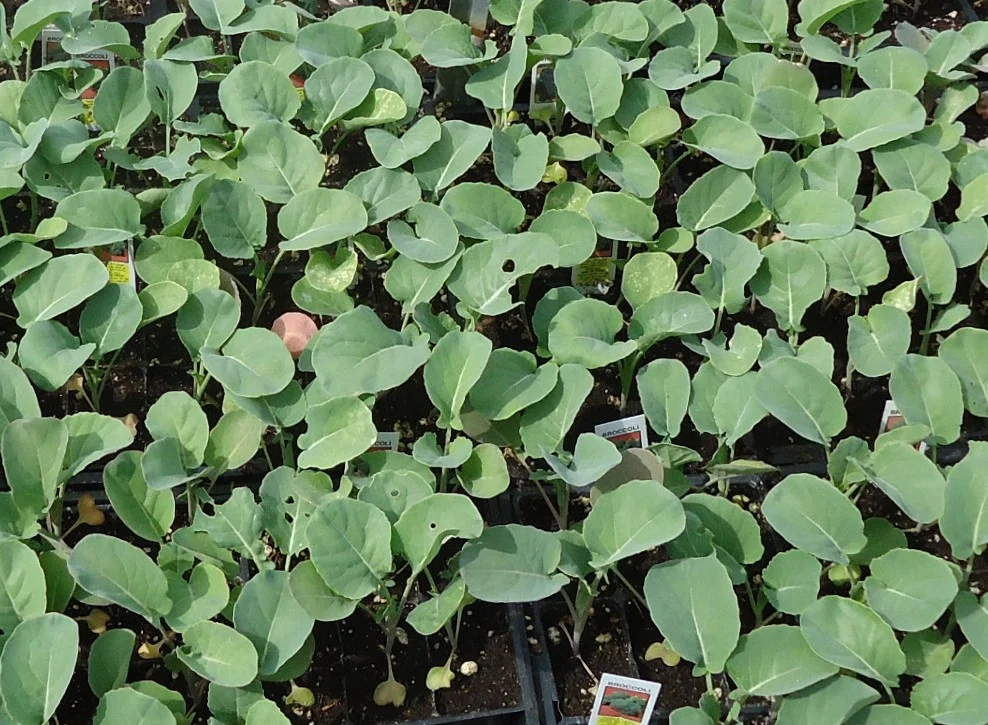
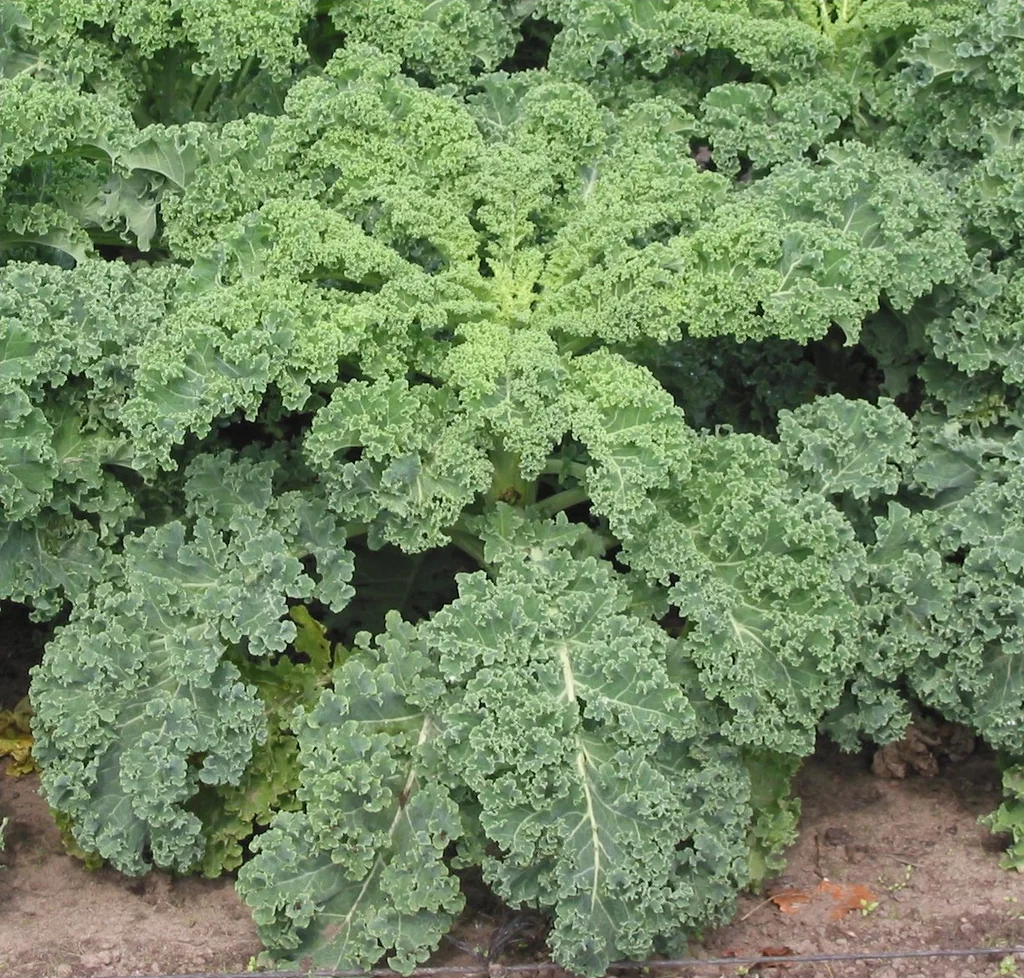
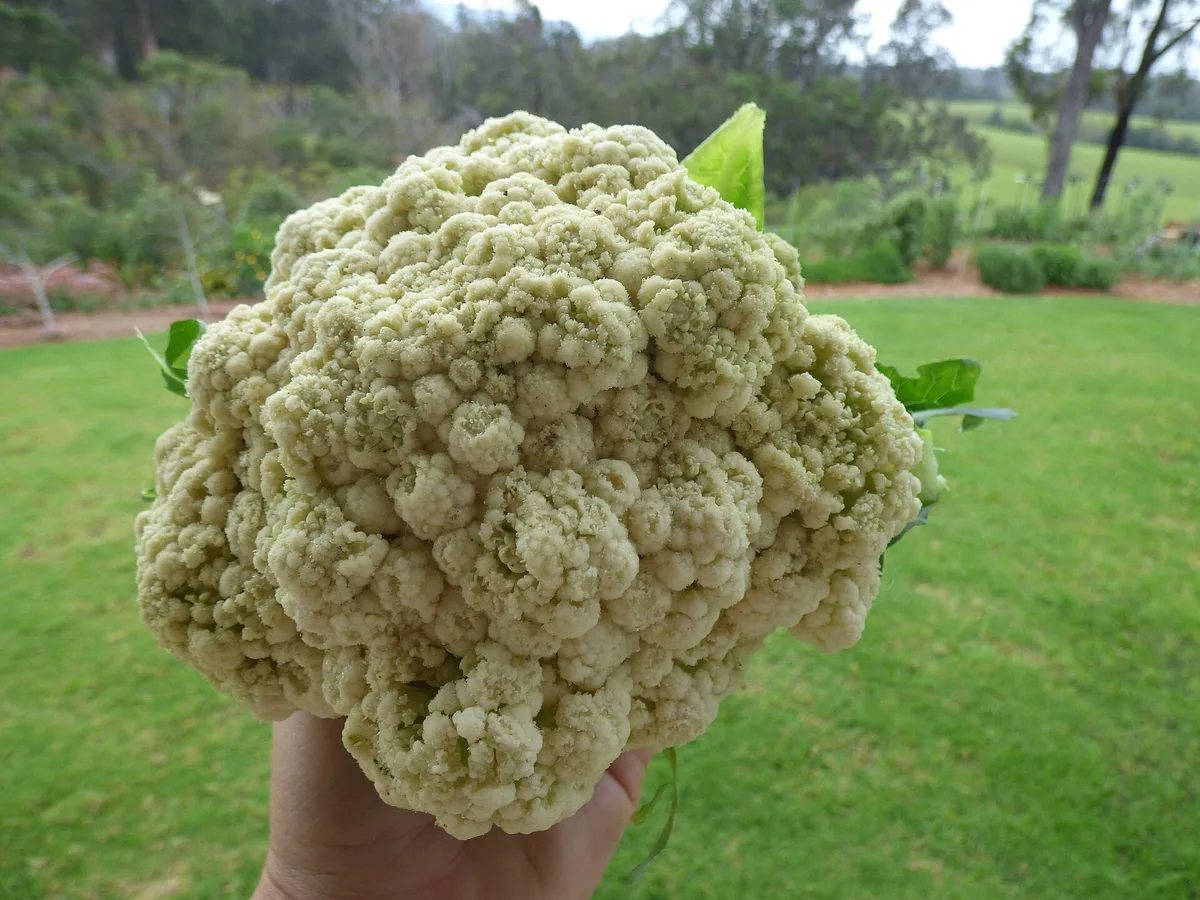
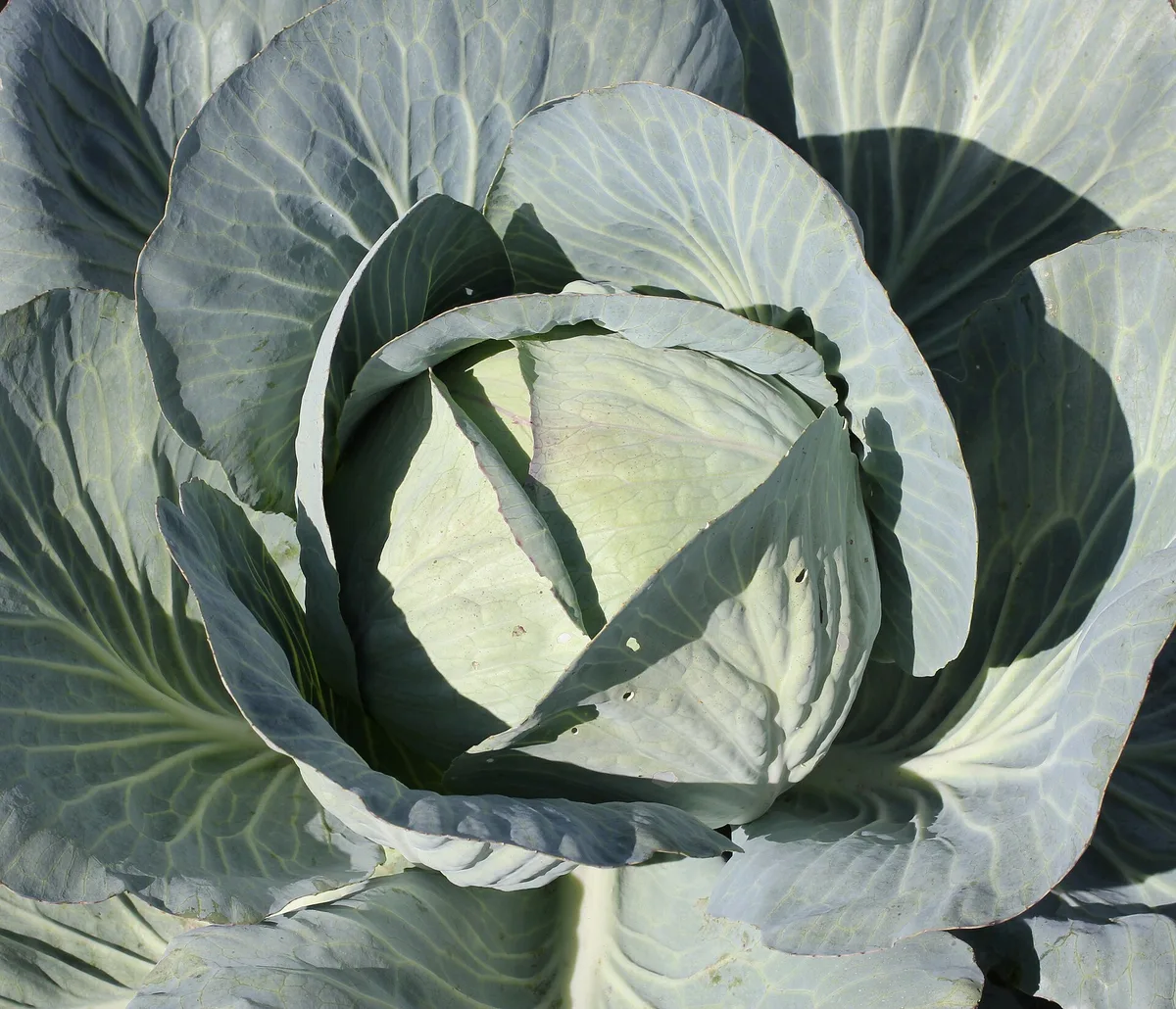
Is this your plant? Use a heading cabbage (Brassica oleracea Capitata Group) whose mature size fits about a 5-gallon pot. Kale, broccoli, and cauliflower are related but not this harvest.
A sunny outdoor pot during a cool spring or fall window. Start with transplant or seed.
One compact variety in a draining pot of about 5 gallons, at least 12 inches wide and deep. Large late storage cabbages need more space than this patio plan.
Use a compact heading variety. Sow a few seeds and keep the strongest plant, or set one sturdy transplant.
- 01
Time it for cool weather
Start so the head matures in cool weather: early spring, or mid- to late summer for a fall head. Use your local frost dates. Midsummer heat is a poor finish.
- 02
Plant one cabbage
Set a transplant at the same depth it grew in its cell, or sow a few seeds ½ inch deep and thin to one plant. Firm the mix gently and water in.
- 03
Keep water steady
Check the top inch daily while the plant is large. Water when it starts to dry, until excess drains, and empty the saucer. Mulch the surface if the pot dries fast.
- 04
Feed only while it is growing leaves
After any starter charge in the mix is used up, follow a fertilizer labeled for vegetables. Ease off once the head is firming. Do not keep pushing soft growth.
- 05
Cut a firm head
Harvest when the head feels solid and before it splits or the weather turns hot. A split head is still food if it is not rotting; use it promptly.
Other ways to start
Grow it in the garden+
In a bed, many heading types are spaced about 12–18 inches apart, depending on the variety. Read the packet. The pot fertilizer note does not transfer unchanged.
Choose the right brassica+
Kale, broccoli, and cauliflower are the same species group with different goals. Do not use this spacing and harvest cue for them.
YOUR EVERYDAY ROUTINE
Water & fertilizer at a glance.
- Water when
- Check daily. Water when the top inch starts to dry and empty the saucer. Keep moisture even once the head firms.
- Fertilizer
- Fertilizer labeled for edible container plants
- Amount
- Use the rate printed on that product for your pot.
- What that amount covers
- The label’s container or edible-plant rate applies to the pot you have, not a guessed spoon dose from another formula.
- How often to feed
- Only while the plant is actively growing, and only as often as that label allows.
- When to start or pause
- Skip extra feed at planting if the mix already contains a starter charge. Do not feed a wilted, waterlogged, or finished plant.
One compact heading cabbage. Harvest when the head feels firm.
One head, and when it is firm
From transplant, many compact cabbages form a usable head in about 60–90 days, depending on variety. One pot is a single head, not a winter pantry. Heat, crowding, and drought reduce head quality.
Time the head for cool weather
Plant for a cool finish. Early varieties suit a spring pot; later plantings suit fall. Hard freezes and sudden heat both need local timing, not a national calendar date.
For regional planting windows, find your local Cooperative Extension office ↗.
Something looking off?
How do I grow cabbage in a container?+
Use one compact heading variety in a draining pot of about 5 gallons. Plant in a cool season, water evenly, and cut the head when it feels firm.
Why did my cabbage not form a head?+
Heat, too little sun, a non-heading variety, or a plant that ran out of time are common reasons. Check the packet for “heading” and your season length. Fertilizer cannot create a head in hot weather.
Why did the head split?+
A dry spell followed by heavy water can split a firm head. Keep moisture steadier and harvest promptly once the head is solid.
Is cabbage the same plant as kale?+
They are related brassicas, not the same crop. Kale is grown for leaves. This plan is for a headed cabbage.
Can I grow cabbage indoors?+
Not as this plan. A solid head needs outdoor sun and a cool season. A windowsill will not replace that.
Pot size, split heads, and heat
Match the pot to a compact type
A huge storage cabbage will not behave in a 5-gallon pot. Read mature size and days to maturity before you sow.
Heads split when water swings
Steady moisture matters more once the head feels firm. Harvest rather than trying to hold a ripe head through a thunderstorm.
Cool weather is the culture
Cabbage is a cool-season crop. If your only window is midsummer heat, pick a different vegetable for that pot.
Help with your next step.
- Keep watering even, not automatic
A dry swing followed by a soak is how cabbage heads split.
- Compare other cool-season vegetables
Heading cabbage is a poor midsummer pot if the weather is already hot.
Sources & dates
Editorial plans, not results from a Plant Care Steps growing trial. Compiled with AI assistance; they have not yet had an independent horticultural review. Editorial approach.
- University of Minnesota Extension: growing cabbage ↗
- Utah State University Extension: cabbage in the garden ↗
- RHS: cabbages ↗
Something needs updating? Suggest a correction
Published · Updated
Sources checked View sources ↗