GROWING GUIDE
How to Dry Herbs
How to dry herbs from basil, mint, and other kitchen plants: harvest before flowering, air-dry small bunches, and store crumbled leaves only after they are fully dry.
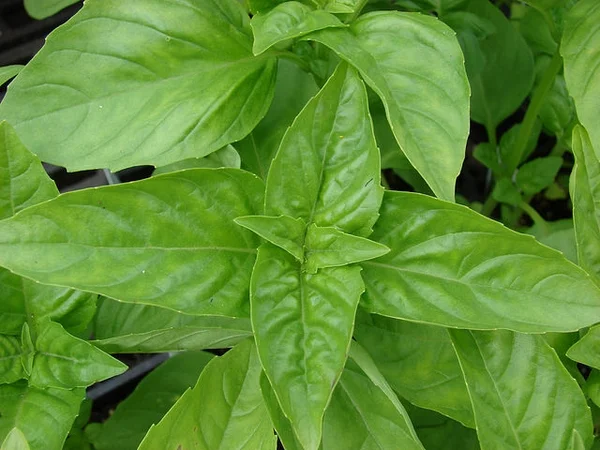
1. Cut healthy stems before the plant flowers.
How to dry herbs starts with a clean harvest, not with a hot oven. University of Maryland Extension says to pick leaves before the plant flowers, after the dew has dried and before the day is hot, so the oils are still in the leaf. Leave enough growth that the plant can continue. Their ceiling is about three-quarters of the current season’s growth at one cutting. Pinch at a leaf pair rather than stripping single leaves if you want the plant to branch. That matches basil plant care and the tip harvest on mint.
Wash hands and tools. Skip bruised, dirty, or diseased leaves. Rinse under running water. Do not use soap, bleach, or vinegar on the leaves. Shake off water. Do not crush the herbs yet. Flavor is in oils that leave the leaf when you bruise it.
Useful plants already on this site: basil, mint, oregano, parsley, thyme, rosemary, and sage. Indoor mint uses the same drying steps after you cut it: how to grow mint indoors.
2. Air-dry small bunches in a paper bag.
Sun drying is not recommended. Color and flavor suffer, and humid air can spoil the bunch. Maryland’s indoor method uses a clean paper bag with holes punched for air. Tie a small bundle by the stems. A large damp bundle molds. Put the bundle in the bag, close the bag, and hang it in a warm, dry, airy room out of direct sun. Tender herbs such as basil and oregano, and tougher ones such as rosemary, sage, and thyme, can share this method. Several days is normal. The bag catches leaves that fall and keeps dust off.
3. Use low heat if the air is too humid.
Dehydrator: preheat in the range Maryland gives, usually 95–115°F, or about 125°F if your location is very humid and the machine’s manual allows it. Strip the leaves, lay them in a single layer without overlap, and check during the 1–4 hours they often need. Follow the machine’s manual if it disagrees.
Oven: Maryland reserves this for humid weather and especially for mint, sage, and bay. Leaves go in a single layer on paper towels, up to about five layers of towels and leaves, in a very cool oven. An electric oven’s light, or a gas oven’s pilot, left overnight, is the example they give. A hot bake setting scorches oils. If your oven cannot stay that cool, use the dehydrator or the paper bag.
Microwave: only for about a cup at a time, on paper towels, with checks every 30 seconds. Maryland’s example is about 2–3 minutes per cup, and a microwave of 1,000 watts or more may be too strong. Read your microwave’s own guidance. Stop before the leaves brown.
4. Store only leaves that crumble.
Leaves are dry when they crumble and the stems break. If they bend, they are not done. Pack whole, crumbled, or ground leaves in a labeled jar with a tight lid. Keep the jar cool, dark, and dry. Maryland’s storage window for home-dried herbs is up to about 6 months. Do not store a jar that still feels cool or leathery. Moisture left in the leaf is how a jar molds.
Drying does not make a bad leaf into a better one, and it does not change the plant’s pet-safety notes. Use dried herbs in cooking the way you use any pantry herb. Growing the next cutting is back on the plant page, not in the jar.
Common questions
How do I know herbs are dry?+
University of Maryland Extension says leaves should crumble and stems should break when bent. Leathery or cool leaves need more time. Store only fully dry leaves.
Can I dry herbs in the sun?+
No. The same Extension note says sun drying is not recommended. Herbs lose flavor and color, and humid weather can spoil them. Use indoor air drying, a dehydrator, or a very cool oven.
Which herbs can I dry?+
Basil, mint, oregano, parsley, thyme, rosemary, and sage can all be dried if the leaves are clean and healthy. Follow each plant’s harvest note so you do not cut the plant back too hard.
Sources & editorial notes
Sources checked November 4, 2026. Compiled with AI assistance from the linked pages. This is not a diagnosis, a pesticide dose, or a Plant Care Steps growing trial. Editorial responsibility.
Published · Updated