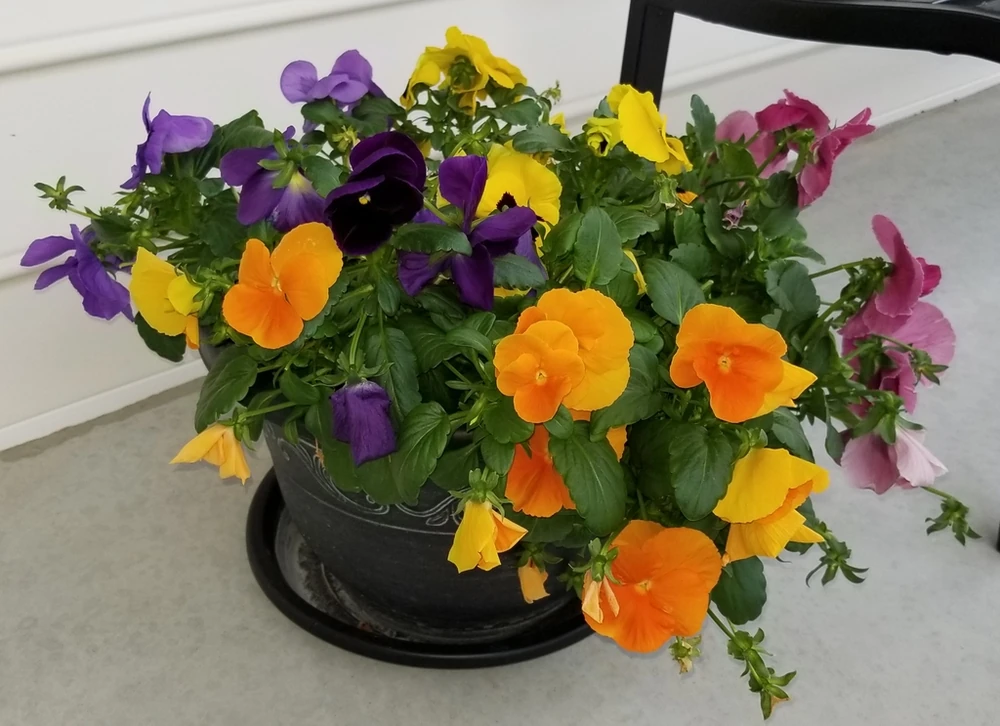
Flowers for fall
Flowers to plant in fall: color now or next spring
An autumn flower purchase can mean two very different things: a plant already close to bloom, or roots and bulbs preparing for a future display. Decide which result you want before choosing from these five options.
Published · Updated
Match the flower to your autumn
These choices are for temperate fall conditions. September–November is only a Northern Hemisphere example; gardeners in the Southern Hemisphere should use local autumn timing. In tropical climates, rainfall patterns, cooler periods and cultivar suitability matter more than an imported month-by-month calendar. A tulip or peony recommendation from a cold-winter region may not fit your garden.
For color soon, look for healthy, locally suitable bedding plants with buds. For next spring or early summer, consider dormant bulbs or bare-root peonies. Seed is a separate timetable: RHS autumn-sowing guidance explains that hardy annuals may overwinter for earlier flowers the following year. Autumn sowing does not itself promise autumn flowers.
Five choices, with honest flowering expectations
| Flower | Buy or plant | Likely purpose |
|---|---|---|
| Pansy | Locally suitable bedding plants | Cool-season color; winter flowering varies |
| Snapdragon | Established young plants | Fall flowers in suitable mild conditions |
| Calendula | Plants for near-term color; seed for later | Cool-weather bloom or an overwintered start |
| Tulip | Dormant bulbs | Spring flowers |
| Herbaceous peony | Bare-root divisions | Future late-spring or early-summer flowers |
The plant notes below explain the regional limits. Survival through a frost is not the same as continuous flowering through winter.
1. Pansy: a cool-season bedding choice
Pansies are useful when you want a compact patch of color near a path or doorway. Choose plants intended for your local autumn and winter conditions, and give them time to root before severe cold. Buying too early during lingering heat can also be a problem.
University of Georgia's pansy advice places planting in cooled soil and describes performance in its own mild-winter region. Farther north, flowers may pause through deep cold. The RHS winter-container guide describes intermittent flowering in mild spells. See our upright pansy pot plan for a small display.
2. Snapdragon: useful where autumn stays mild
Snapdragons add upright flower spikes among lower bedding plants. Choose a compact series for a small pot or a taller selection for a border; these are not interchangeable sizes. A plant already forming buds is a more realistic near-term purchase than seed late in the season.
University of Georgia guidance supports fall planting and winter survival in Georgia once plants are established and acclimated. That does not establish reliable overwintering in a much colder climate. Avoid a saturated site and remove spent blooms. Our snapdragon guide covers dwarf Snapshot Rose, not tall cutting varieties.
3. Calendula: distinguish plants from autumn seed
Calendula brings yellow and orange flowers to a sunny, well-drained position. Established plants can recover as summer heat eases, but heavy frost can end the display. Wisconsin Extension recommends avoiding heavy feeding and removing spent flowers to support bloom.
For seed, use a different expectation: the RHS includes calendula among autumn-sown hardy annuals for an earlier following-season display, with protection where hard frosts threaten. Choose that route only if your winter and available shelter suit it. Our Bon Bon calendula guide is for a compact container selection.
4. Tulip: plant a spring display
Tulips belong on a fall planting list because their dormant bulbs go in before the spring show. They are not flowers for immediate autumn color. Choose firm, sound bulbs and a position that drains freely.
The RHS tulip guide covers autumn planting in beds and pots, and notes that repeat flowering varies among types. Use local advice on timing and winter chilling, especially where winters are warm. Our spring-bulb planting guide explains the seasonal decision; the tulip guide covers the nine-bulb Apeldoorn garden bed and a separate container plan.
5. Herbaceous peony: a longer-term border plant
Choose a herbaceous peony when you have a permanent sunny bed and can wait for establishment. This recommendation is for a dormant bare-root division, not a promise that any potted peony should be moved in autumn. Flowers belong to late spring or early summer, and a new plant may need time before flowering well.
The RHS peony growing guide gives late autumn as its UK window for bare-root divisions and recommends shallow planting of the buds. In colder regions, the local planting window may be earlier. Follow local timing and the supplier's depth instructions. Peonies are deep-rooted border plants; our Krinkled White guide does not make every peony suitable for a small pot.
Prepare for rain and cold, not just the first photograph
Plan where each plant will remain after its first flowers finish. A peony needs a lasting place; a tulip pot needs somewhere for its leaves to complete their growth after bloom. Keep a label with the cultivar and planting date so next season's decisions do not depend on remembering a bare patch.
For pots, check drainage holes and remove standing water from saucers. Roots in containers are more exposed to cold, so a hardiness description for a plant in the ground is not the whole protection plan. RHS container-maintenance guidance describes shelter and root protection. Inspect moisture rather than automatically continuing summer watering.
Three checks before buying
- When should it flower? Separate buds ready to open from seed, bulbs and dormant roots.
- Will the exact variety fit? Compare mature height and spread with your bed or container.
- What happens in severe weather? Decide where you can shelter a pot and what protection the plant requires.
Use the first-frost checklist before a cold night. For care after planting, see how fall care differs from summer.
Sources & editorial notes
- RHS: Sowing hardy annuals in autumn
- University of Georgia Extension: Pansies for winter gardens
- RHS: Winter container planting
- University of Georgia: Snapdragons for fall
- University of Wisconsin Extension: Calendula
- RHS: How to grow tulips
- RHS: Herbaceous and intersectional peonies
- RHS: Herbaceous peony plant guide
- RHS: Container maintenance
Compiled with AI assistance from the linked horticultural references. This is general guidance, not a Plant Care Steps growing trial. Use local frost forecasts and advice for your climate. How we prepare our guides.