YOUR SIMPLE GROWING PLAN
One pot. Here’s the plan.
A bright patio or balcony near the kitchen. Start with nursery plant.
About 12 inches wide and 12 inches deep, with drainage.
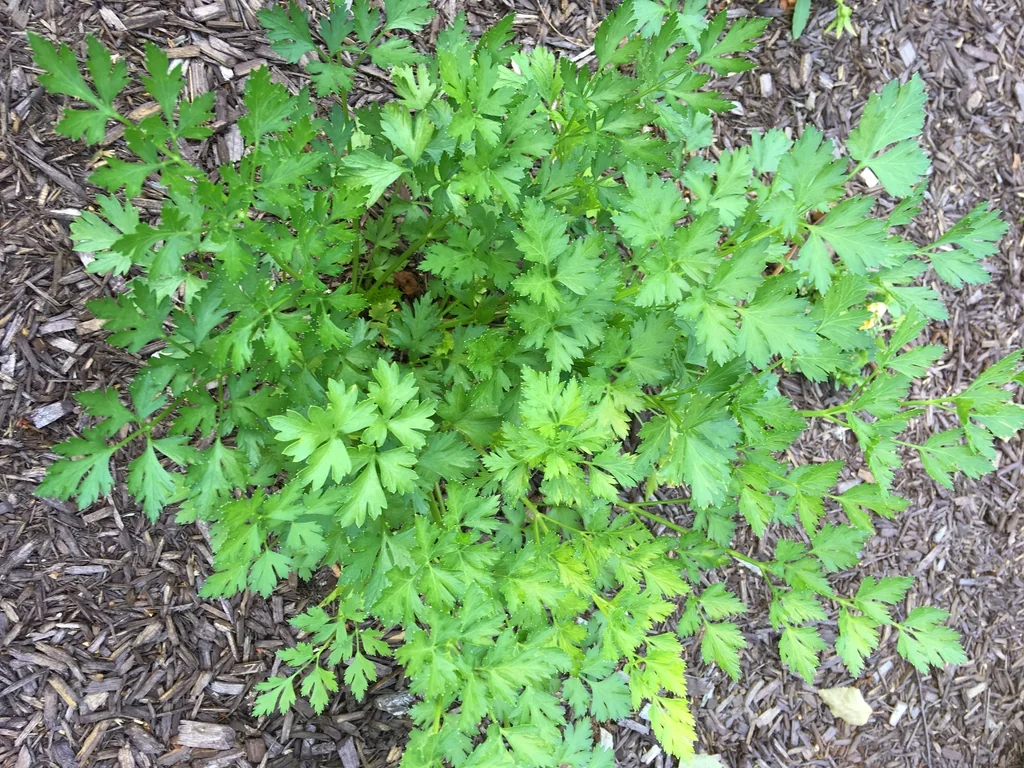
Choose a labeled culinary flat-leaf parsley plant.
- 01
Buy one rooted plant
Choose labeled flat-leaf parsley. A nursery plant gets you past the slow and sometimes uneven seed stage.
- 02
Keep the roots together
Dampen the mix. Slide the plant out gently and set the intact root ball at its existing soil level. Do not tease apart its taproot.
- 03
Water it in
Water slowly until a little drains below. Leave room under the rim for future watering and check moisture each morning.
- 04
Pick from the outside
Once it has settled and made fresh growth, cut a few outer stalks close to the base. Leave the center and plenty of leaves growing.
Another way to start
Start with 6 seeds+
Sow 6 seeds in a small central patch, about ⅛ inch deep. Keep the seed surface evenly moist and allow 2–5 weeks for emergence. When seedlings are 2–3 inches tall, snip extras and retain one strong plant. This small seed count is our spare-seed layout, not a promise that every seed will sprout.
When to water.
Check each morning. Water when the top inch is beginning to dry, before the root ball becomes dry throughout. Wet the mix evenly, allow runoff, and empty any saucer. Seeds need a moist surface while germinating; a nursery plant needs moisture around the deeper roots as well.
Exactly what to feed it.
Skip extra fertilizer at planting with the enriched mix listed here. Check the bag’s feeding directions before topping up; its starter nutrients do not last the same length of time in every pot.
AFTER THE MIX NEEDS REPLENISHING
Miracle-Gro Water Soluble All Purpose Plant Food (US 24-8-16)
Mix 1½ teaspoons of the US 24-8-16 product into 1 gallon of water. Feed at the roots every 3–4 weeks while growing outdoors, after the starter feed is used up. This is half the product’s outdoor concentration, following Minnesota Extension’s container-herb guidance. Use enough to wet the pot and drain; do not empty the whole gallon into it.
Check the manufacturer’s product page ↗Use the named US formulation. A different product or concentration needs different directions. The amount mixed is a batch, not a dose to pour into one pot.
A little patience pays off.
A nursery start can supply a small picking after it settles and makes new leaves. Seed-grown parsley is slower: germination alone may take several weeks. Harvest gradually rather than stripping a small plant.
When should I start where I live?+
For a simple outdoor start, plant after frost risk has passed. Parsley tolerates cool conditions once established, but a small exposed pot is not guaranteed to survive a harsh winter.
For regional planting windows, find your local Cooperative Extension office ↗.
Something looking off?
My seeds have not sprouted. Should I start over?+
Parsley can take 2–5 weeks to emerge. Keep the surface moist and avoid repeatedly digging for seeds. Fresh seed and patience help; a nursery start is the quicker route.
Why is it sending up a tall flowering stem?+
Parsley is biennial and commonly flowers in its second year. For tender cooking leaves, start a fresh plant rather than trying to solve normal flowering with fertilizer.
What is eating the leaves?+
Parsley is a host for black swallowtail caterpillars. Identify a caterpillar before treating it; you may choose to share a spare plant. Check both sides of the leaves for other pests too.
A little more growing know-how.
A starter pot, with room to grow later+
This 12-inch-wide, 12-inch-deep pot is our one-plant starter layout. If roots fill it and moisture becomes hard to manage, move to a larger draining container; the starting size is not a lifetime limit.
Buy the right parsley+
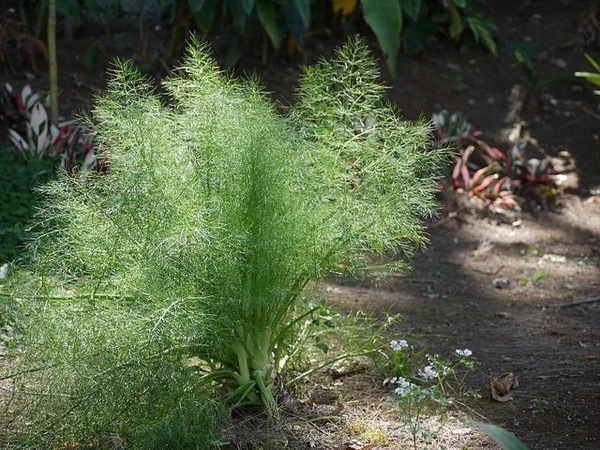
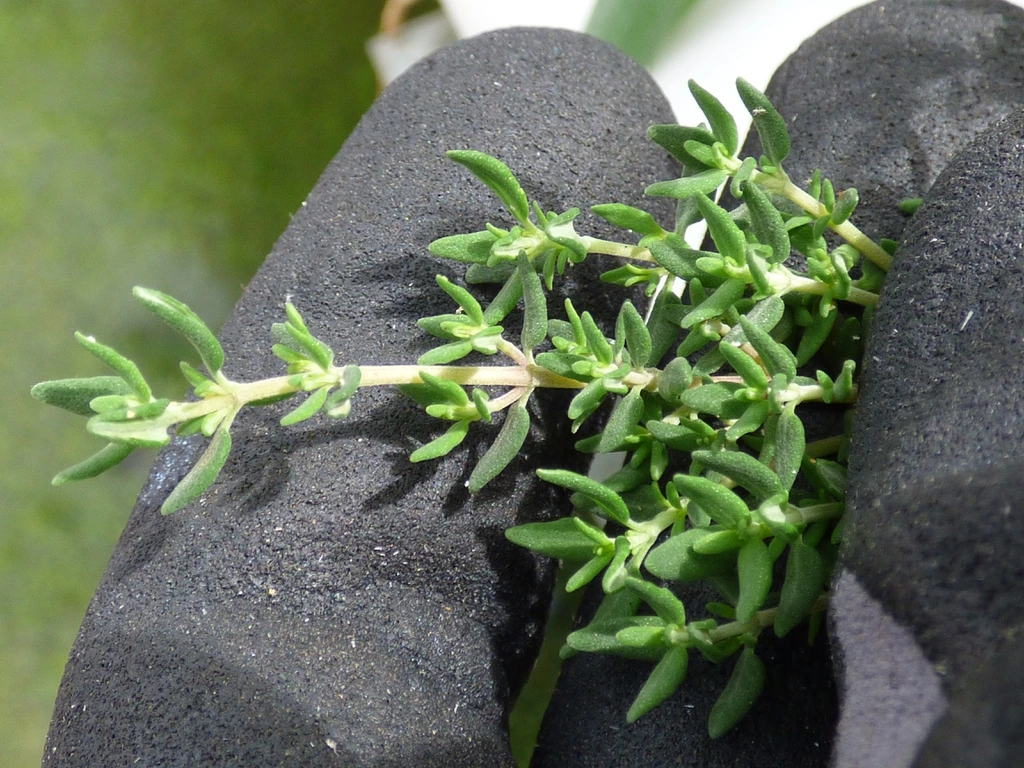
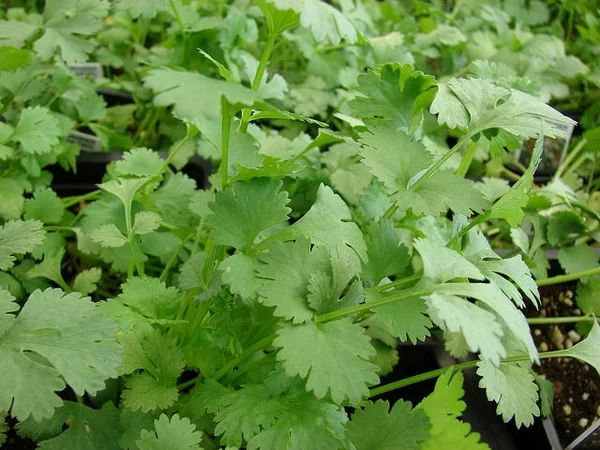
This is a leaf-harvest plan for culinary flat-leaf parsley. Cilantro is a different herb, and Hamburg parsley is grown for its root. Keep the nursery label with the pot.
BEHIND THIS GUIDE
Where the advice comes from.
Plant care is based on the sources below. Planting layouts and beginner routines combine that guidance into one practical plan; they are editorial choices, not results from a Plant Care Steps growing trial.
- University of Minnesota: parsley seed depth, germination, and harvest ↗
- Wisconsin Extension: parsley transplants and taproot care ↗
- University of Minnesota: diluted feeding for container herbs ↗
- Illinois Extension: parsley and swallowtail caterpillars ↗
- University of Maryland: container depth and root room ↗
- Manufacturer: US fertilizer formula and application directions ↗
- Manufacturer: starter feed in the named potting mix ↗
Compiled with AI assistance. These first-edition guides have not yet had an independent horticultural review. Read our editorial approach.