GROWING GUIDE
Flowers to Plant Each Season for Year-Round Blooms
What to plant in spring, summer, fall, and winter, and when those plantings are meant to flower. Six or more picks per season, with USDA zone notes.

Plant in the season. Expect the bloom later.
Flowers to plant each season means a planting job and the bloom that job is for. A month when a flower is pretty in someone else’s garden is not, by itself, a reason to sow it. Frost date, soil you can dig, and the plant’s own heat or chill needs come first. USDA zones are a winter-cold sketch. Zones 3–5 lose the fall bulb window earlier. Zones 6–8 often still plant spring bulbs in November. Zones 8–10 may pre-chill tulips. The November decision is written out in flowers to plant now in fall.
Spring: plant after frost for summer flowers
In cold-winter gardens, wait until frost risk has passed for tender annuals and dahlia tubers. A warm afternoon does not cancel a cold night. Cool-season sweet peas are the exception: they want an early start, not midsummer heat.
| Plant | When you plant | Expected bloom | Zone note |
|---|---|---|---|
| Sunflower | After frost, in sun | Summer | Needs warmth. A zone 3 spring is later than a zone 8 spring. |
| Zinnia | After frost | Summer until frost | Do not sow into cold soil. Saving seed in fall is not a fall sowing. |
| Marigold | After frost | Summer | French marigolds stay smaller than tall African types. |
| Cosmos | After frost | Summer into fall | A long warm season gives a longer display. |
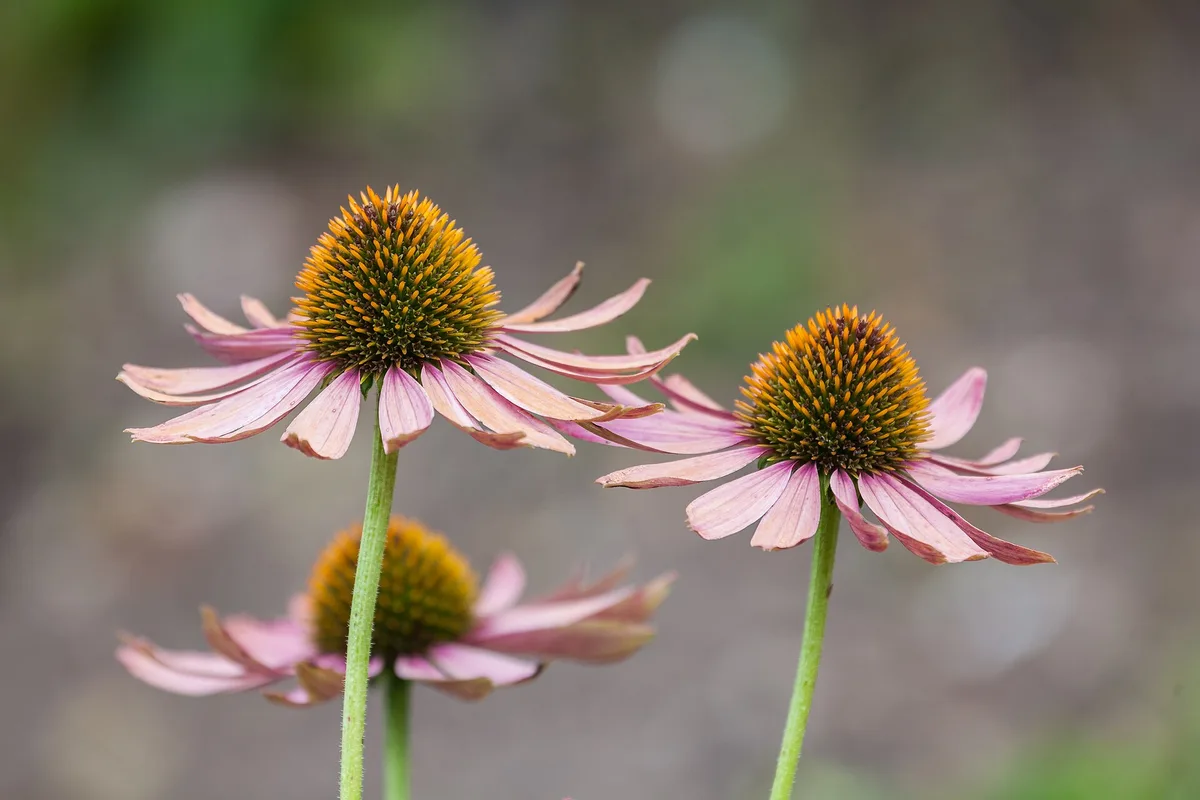
| Coneflower | Spring nursery plant | Summer into fall, then later years | A first-year plant may flower less than a settled clump. |
| Black-eyed Susan | Spring nursery plant | Summer | Same sun and drainage idea as coneflower. It is a different plant. |
| Dahlia | Tubers after frost | Summer until frost | In cold zones, lift tubers before a hard freeze. That storage job is not this planting week. |
| Sweet pea | Early spring, while weather is cool | Late spring or early summer | Heat ends the display. In mild winters some gardeners sow in fall instead. |
University of Maryland Extension says to set annuals outside after frost, once the soil has started to warm. Its March flower notes add that sunflowers and zinnias can be sown outdoors after frost. The June notes still allow zinnias, sunflowers, and cosmos from seed while the warm season has time left. Do not copy a sunflower spacing onto a coneflower.
Summer: plant for color while the soil is warm
Summer planting is for plants that bloom in warm weather, or for a second sowing that flowers before frost. It is a poor time to plant tulip bulbs or a bare-root peony.
| Plant | When you plant | Expected bloom | Zone note |
|---|---|---|---|
| Zinnia | Early summer succession | Late summer | Stop sowing when your first frost is too close for a plant to size up. |
| Marigold | Early summer | The rest of the warm season | A cool zone 4 August sowing may never catch up. |
| Cosmos | Early summer if the season is long | Late summer | Short summers are better served by a spring sowing. |
| Impatiens | After frost, including early summer | While nights stay mild | Shade color. Frost ends it. Not a bulb. |
| Wax begonia | Warm soil | Summer | The plan on this site is a compact wax type, not a tuber to store. |
| Salvia | After frost, into early summer | Summer spikes | Read the mature height. Annual and perennial salvias are not the same plant. |
| Dahlia | Only while the season can still finish a plant | Late summer to frost | A July tuber in a short season is a gamble. |
| Sunflower | Early summer if frost is still far off | Late summer | Count days to bloom on the packet against your first frost. |
Fall: color now, or flowers next spring
Fall is two projects. Cool-season bedding can flower in the weeks ahead. Bulbs and a bare-root peony are for next spring. The zone windows, the two-column choice, and the plant notes are on flowers to plant now in fall. Bulb depth and chill sit on plant spring bulbs in fall. Vegetables are what to plant in fall, not this flower list.
| Plant | When you plant | Expected bloom | Zone note |
|---|---|---|---|
| Pansy | Cooled soil | This cool season, with pauses in deep cold | Mild zones keep flowers longer than zones 3–5. |
| Snapdragon | Early enough to root | Fall, where autumn stays mild | A Georgia winter and a Minnesota winter are not the same test. |
| Calendula | Plants now; seed is for later | Cool weather, or next year from seed | Hard frost ends an unprotected plant. |
| Tulip | Fall bulb window | Next spring | Zones 6–8: November is often peak. Zones 3–5: earlier. Zones 8–10: pre-chill. |
| Daffodil | Same fall window | Next spring | Clemson plants daffodils in October or November and waits for cool soil. |
| Allium | Fall, with the other hardy bulbs | Late spring or early summer | No separate allium page here. Use the bulb guide and the label depth. |
| Peony | Dormant division in the local autumn window | Late spring after establishment | See divide peonies in fall if the clump is already yours. |
The rest of the season’s jobs are on autumn garden guides.
Winter: plant only where the ground or the pot still allows it
Winter is not a second fall for zones 3–7. If the soil is frozen, the bulb window has closed. Forcing a bulb in a pot indoors is a different project from planting a border.
| Plant | When you plant | Expected bloom | Zone note |
|---|---|---|---|
| Pre-chilled tulip | Late fall into winter, into cool soil | Spring | Zones 8–10. Clemson’s coastal window is often late December or January. Do not freeze the bulb. |
| Daffodil | While soil is cool and diggable | Late winter or spring | Many daffodils need less pre-chill than hybrid tulips. The label still wins. |
| Pansy | Mild winter, cooled soil | Mild spells through winter | Zones 3–5: flowers pause or the planting window has passed. |
| Snapdragon | Only in a mild winter | Cool-season spikes | Not a January project in frozen ground. |
| Hellebore | When nursery plants are available and soil is workable | Late winter or early spring | No hellebore plan on this site. Shade and drainage matter more than a calendar date. |
| Christmas cactus | Already growing indoors | Winter, if the plant is mature and the nights suit it | This is not an outdoor winter sowing. Follow that plant page. |
| Paperwhite or amaryllis, forced | A pot indoors | Winter indoors | Forcing is not the same as a garden bulb left in the border. This site has no separate forcing recipe. |
If you are choosing a soft color range rather than a season, use pastel garden flowers. Extra petal rows are double flower plants. More flower plans are in the flowers category.
Common questions
When should I plant flowers for each season?+
Plant for the bloom you want, not for the month you like to look at flowers. Spring planting is for summer annuals and many perennials. Summer planting fills in warm-season color. Fall planting is cool-season bedding now, or bulbs and peonies for next spring. Winter outdoor planting is mostly a warm-climate or already-potted job.
Is this a calendar of when flowers bloom?+
No. Each season here is a planting window and the bloom that planting is meant to produce. A tulip you plant in fall flowers in spring. A sunflower you plant after frost flowers in summer.
What should I plant this November?+
Use the fall plant-now guide. Zones 6–8 are often in the peak bulb window. Zones 3–5 are at the tail if the soil is still open. Zones 8–10 may need to pre-chill tulips.
Sources & editorial notes
- University of Minnesota Extension: Planting bulbs, tubers and rhizomes
- Clemson Cooperative Extension: Spring-flowering bulbs
- University of Maryland Extension: Annuals
- University of Maryland Extension: March gardening tips
- University of Maryland Extension: June gardening tips
- RHS: Sowing hardy annuals in autumn
Sources checked November 4, 2026. Compiled with AI assistance from the linked pages. This is not a diagnosis or a Plant Care Steps growing trial. Editorial responsibility.
Published · Updated