GROWING BASICS · OUTDOOR VEGETABLES
Fruit-end damage? Check the water first.
A dark patch at the blossom end of a tomato or pepper can be blossom-end rot. Use the pattern and growing conditions together; a picture alone cannot settle the cause.
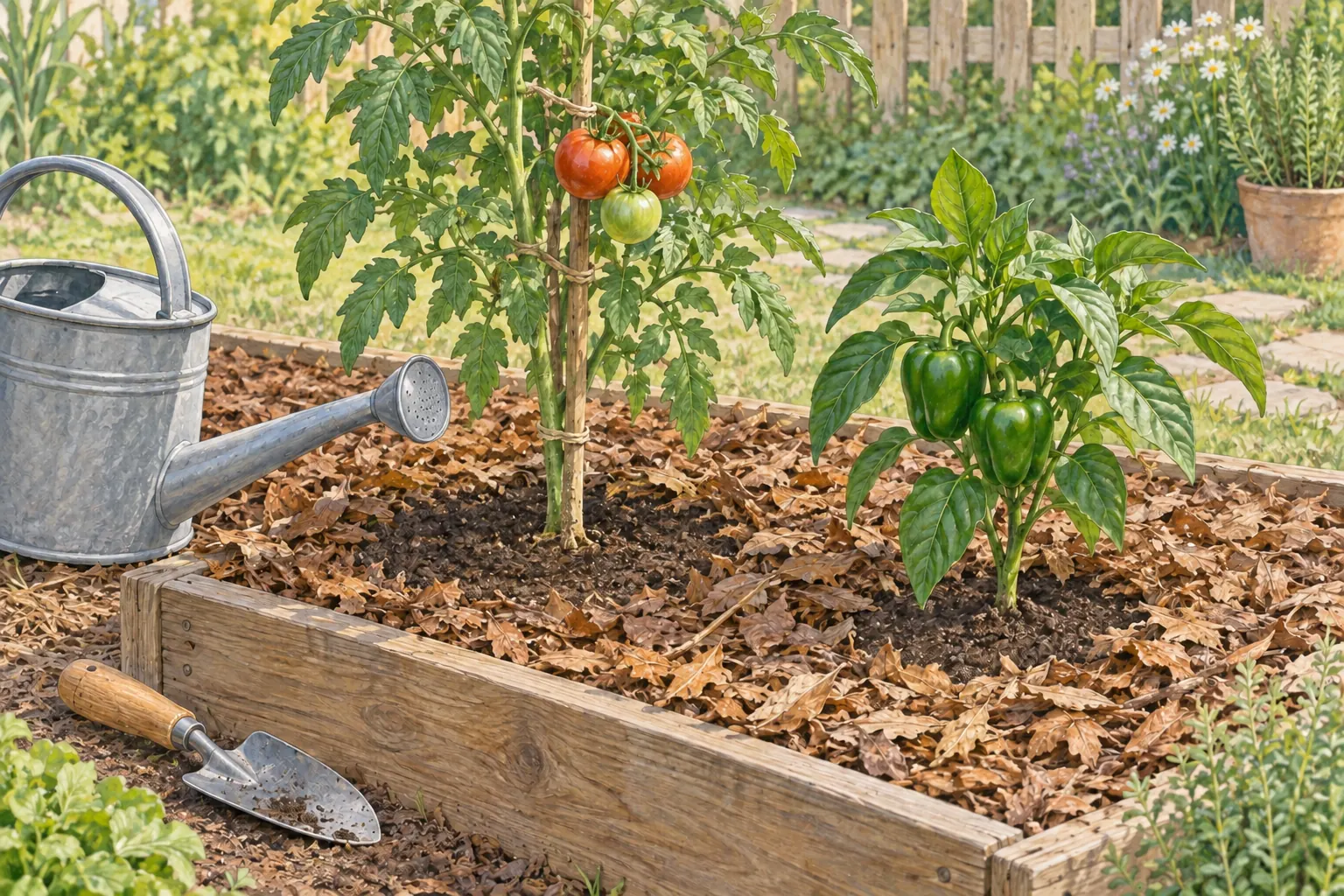
1. Check the soil, not just the leaves.
Check moisture near the roots before adding water. Look for a pattern of drying out followed by heavy watering, or soil that remains waterlogged. Rain, heat, wind, the plant’s size and the growing medium all affect the next watering.
In a pot, make sure water can drain and empty the saucer. In a bed, inspect moisture beneath the surface; a wet top layer does not tell you how far water has reached.
2. Separate a symptom from its cause.
Blossom-end rot often begins as a discolored patch at the flower end of the fruit, becoming dark and sunken. It involves too little calcium reaching the developing fruit. That does not automatically mean the soil lacks calcium.
Uneven moisture, root damage and excessive nitrogen can contribute. Keep moisture more consistent and protect roots when cultivating. Use soil-test advice for fertilizer or amendments; do not treat every damaged fruit as a request for more feed.
Epsom salt is not a blossom-end-rot remedy. It supplies magnesium, not calcium, and can make a nutrient imbalance worse. Already damaged tissue will not become sound fruit again; watch later fruit while improving care.
3. Return to your own growing plan.
Our compact patio cherry tomato and sweet bell pepper guides use containers. Keep their pot size, variety scope and moisture checks; an outdoor raised bed is a different setup.
For a bed, check actual drip flow and the wet root zone. If the damage does not fit the blossom-end pattern, or stems and leaves also deteriorate, seek local Extension help rather than treating the photo as a diagnosis.
Explore growing tools · Find your vegetable’s plan
Sources & editorial notes
- University of Minnesota Extension: Tomato disorders
- University of Minnesota Extension: Irrigation strategies for vegetables
- University of Maryland Extension: Blossom-End Rot of Vegetables
- UC Master Gardener Program of Alameda County: Growing vegetables for beginning gardeners
- University of Maryland Extension: Organic Matter and Soil Amendments
This page covers an initial moisture check for tomatoes and sweet peppers. It does not replace crop-specific advice or diagnose every fruit blemish. Sources checked October 6, 2026. Compiled with AI assistance; not a Plant Care Steps growing trial. Editorial responsibility · Illustration credits.
Published · Updated
Something needs updating? Suggest a correction