YOUR SIMPLE GROWING PLAN
A small garden patch. Here’s the plan.
A sunny garden bed with cool winters. Start with bulbs.
A 3-by-3 grid with 6 inches between bulbs. This starter recipe is in the ground.
Buy 9 firm, healthy ‘Apeldoorn’ bulbs, without mold or soft areas.
- 01
Mark a little grid
In a 2-by-2-ft patch, mark 3 rows 6 inches apart with 3 planting positions per row, also 6 inches apart. Leave about 6 inches to each edge.
- 02
Plant point upward
Set each bulb’s flat base 6–8 inches below the final ground surface, with the tip pointing up. The depth is measured to the base, not from the tip.
- 03
Backfill and water once
Return the garden soil and water to settle it around the bulbs. Do not put fresh manure or a pile of fertilizer against them.
- 04
Mark and wait
Label the spot so you do not dig through it. Let winter provide the cold period. Once shoots appear, check moisture and enjoy the spring display.
Another way to start
Buy a potted spring display+
For flowers this spring without an autumn start, buy nursery-grown tulips already rooted and in bud. Keep the pot watered and drained in a cool, bright outdoor spot suited to the weather; that is a seasonal display rather than this fall-planted bed recipe.
Keep daughter bulbs+
Tulips can make small offsets beside the original bulb. If lifting after leaves die back, separate sound offsets and replant at the next suitable fall planting time. Small offsets may take additional seasons to reach flowering size; seed is much slower.
When to water.
Water the bed after planting. Through fall rooting and spring growth, check weekly during dry spells; if soil in the bulb root zone is drying, water slowly and deeply. Skip watering when rain has kept it moist. Do not keep dormant bulbs wet through summer. Drainage matters more than following an every-seven-days schedule.
Exactly what to feed it.
Buy no fertilizer for this first spring. Iowa State notes that fertilizer at planting is usually unnecessary: a healthy bulb already carries the reserves for its upcoming flower. Avoid adding bone meal automatically.
THE SIMPLE FEEDING PLAN
The bulb brings its first meal.
If keeping the bulbs for later years, leave their green leaves in place so they can replenish the bulb. In a reasonably fertile bed, begin without extra feed; investigate persistent weak growth with a soil test. Fertilizer does not substitute for winter chill, sunlight, or healthy foliage.
A little patience pays off.
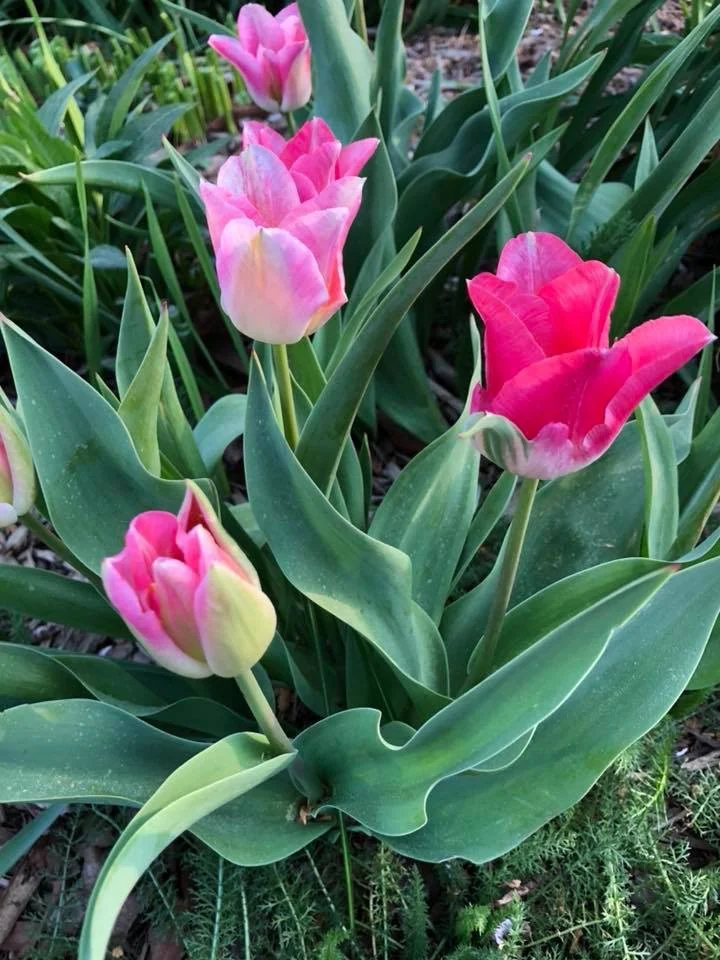
‘Apeldoorn’ is a red Darwin hybrid that flowers in spring; height is commonly around 20–24 inches, depending on conditions. A single planting flowers once in a season. Darwin hybrids can return, but repeat flowering is less certain in warm winters, wet summers, or heavily irrigated beds.
When should I start where I live?+
Plant in fall after the soil cools but before it freezes solid. The exact month depends on your US location. This simple bed recipe assumes a naturally cold winter. In warm-winter regions, buy locally recommended prechilled bulbs and follow the supplier’s planting window; do not expect every tulip to return there.
For regional planting windows, find your local Cooperative Extension office ↗.
Something looking off?
Do tulips come back every year?+
Sometimes. Darwin hybrids are among the more reliable garden tulips, but climate and drainage matter. Treat repeat flowering as a possibility, not a promise; replace bulbs when the display weakens.
Can I cut off the leaves after flowering?+
Wait until they yellow and die naturally. Remove the spent flower head, but keep healthy green leaves exposed to light. Tying or braiding them reduces the leaf area feeding the bulb.
Can I grow tulips from seeds or a cut stem?+
A cut flower stem will not grow a new bulb. Seeds take years to make flowering-size bulbs and do not reliably reproduce a named cultivar. Buy bulbs for this spring-flower project.
A little more growing know-how.
A cold winter is part of the recipe+
Tulips need a chilling period to flower well. Cold-climate garden soil supplies it naturally; a warm living room does not. A container left above ground also has different freezing and drainage risks from this in-ground patch.
After the flowers finish+
Snip off fading flower heads before seedpods develop. Leave foliage until it dies back, then remove it. Keep the marker in place and avoid digging into resting bulbs when planting summer flowers nearby.
BEHIND THIS GUIDE
Where the advice comes from.
Plant care is based on the sources below. Planting layouts and beginner routines combine that guidance into one practical plan; they are editorial choices, not results from a Plant Care Steps growing trial.
- Iowa State: tulip planting, fertilizer needs, and aftercare ↗
- Iowa State: bulb-base depth and spacing ↗
- RHS: tulip growing, propagation, and repeat flowering ↗
- RHS: Apeldoorn cultivar trial, red flowers, and height ↗
Compiled with AI assistance. These first-edition guides have not yet had an independent horticultural review. Read our editorial approach.