Prepare for first frost
Autumn frost checklist: move, cover or harvest
Check tonight's forecast, then decide what to move, cover or harvest. A brief frost and a prolonged hard freeze call for different expectations.
Published · Updated
Read the low temperature and how long it lasts
Frost is ice on a surface: leaves can frost when the reported air temperature remains a little above freezing. A freeze describes air temperatures at or below 32°F (0°C). A hard freeze commonly means 28°F (about −2°C) or lower; damage also depends on duration, plant type and growth stage.
Check the hourly local forecast and any frost or freeze alert. An average first-frost date helps you prepare supplies; it does not predict tonight's weather. Treat a long cold spell more cautiously than a brief overnight dip.
Make three short lists before dusk
- Move: portable tender plants needing shelter. Tropical houseplants should already be indoors before their species' minimum temperature is reached.
- Cover: suitable vegetables or seasonal flowers that may benefit from protection during a short cold event.
- Harvest: usable produce you choose to collect before risking damage. Prioritize according to the crop's maturity and cold tolerance.
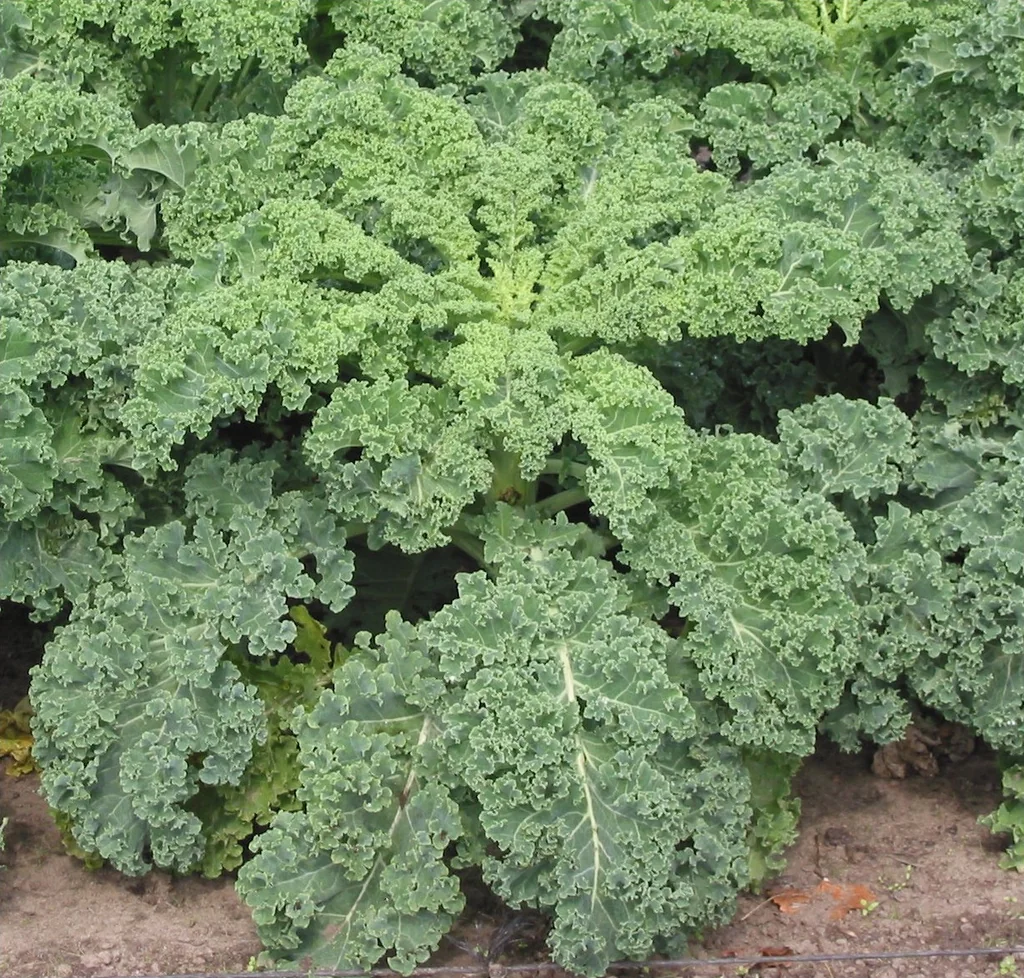
Established cool-season plants such as kale can tolerate cold that damages tender summer crops. This does not give every seedling, leaf or variety the same temperature limit. Use the houseplant move-in guide for tropical pots.
Prepare covers that reach the ground
- Choose garden frost fabric with a stated protection rating. Lightweight insect netting is not equivalent to insulating frost fabric.
- Set supports over fragile plants, especially for heavier fabric. Leave room for foliage.
- Drape the cover over the bed and anchor the edges to the soil with boards, bricks or other suitable weights.
- Check gaps, tears and loose edges before cold arrives. Keep access for checking moisture and inspecting the crop.
Maryland Extension's row-cover guide explains how fabric weight changes both cold protection and light transmission.
Treat a cover as limited protection
Covers retain heat released from the soil. They do not create a heated greenhouse. A prolonged or severe freeze can still damage covered plants, and even a milder event may injure sensitive growth.
For a hard freeze, move eligible containers into a space warm enough for those plants, harvest what you intend to keep, and accept that some tender seasonal growth may end. Do not rely on one thin sheet to maintain summer conditions.
Return the next morning
Remove temporary opaque blankets once temperatures are safely above freezing. For garden row covers left over cool-season crops, monitor warmth, moisture and the plants underneath; follow the fabric's instructions. Recheck the next night's forecast before putting protection away.
Use what to plant in fall to match later sowings to the growing time available, or return to the autumn garden guides for the wider seasonal checklist.
Sources & editorial notes
- South Dakota State Extension: Frost and Freeze Impacts on Plants
- Iowa State Extension: How to Protect Plants from Frost and Freeze
- University of Maryland Extension: Vegetable Garden Weather and Pest Protection
- Iowa State Extension: Moving Indoor Plants Outside for the Summer — returning indoors in fall
Compiled with AI assistance from the linked horticultural references. This is general guidance, not a Plant Care Steps growing trial. Use local frost forecasts and advice for your climate. How we prepare our guides.