GROWING GUIDE
How to Grow Strawberries
How to grow strawberries in a pot or a bed: choose June-bearing or day-neutral, set the crown at the surface, and give the plants sun. The container plan is one Seascape plant.
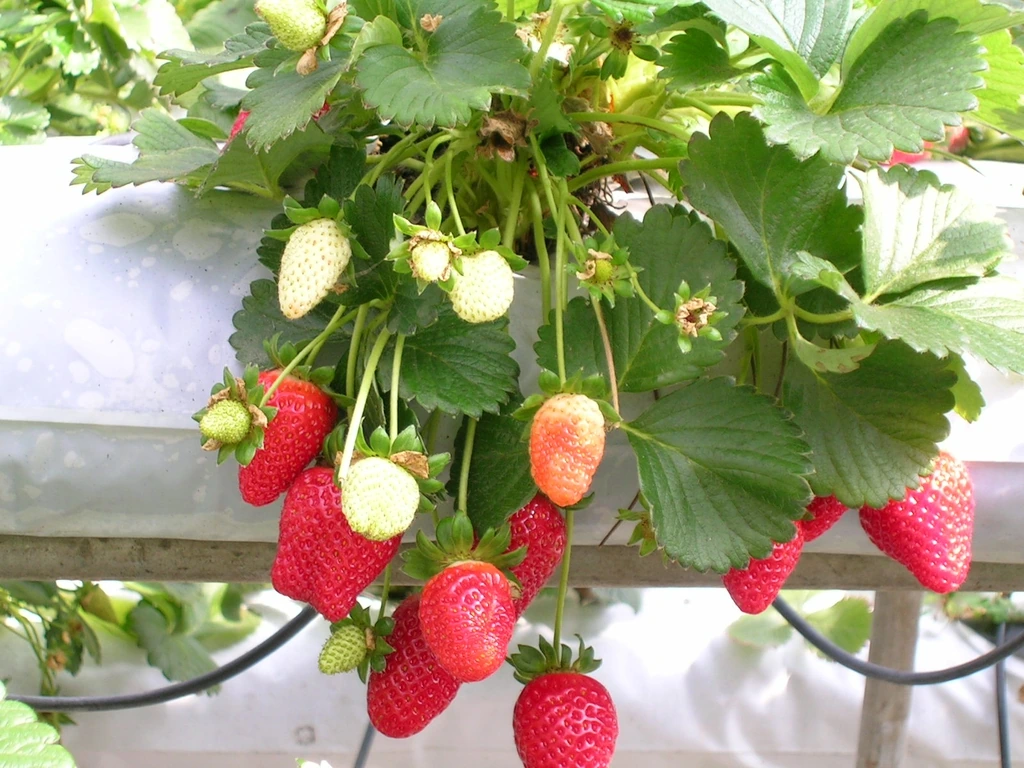
1. Name the strawberry before you copy a routine.
How to grow strawberries depends on the type on the label. June-bearing plants give one main crop. Day-neutral plants can keep flowering through the season when heat is not extreme. Everbearing is a third label you will see, and it is not the same calendar as either of those. The container recipe on this site is one Seascape, a day-neutral variety, in its own pot.
Do not use a June-bearing “remove all first-year flowers” rule on that Seascape pot. The plant page removes the earliest flowers only while a new crown establishes, for about 4–6 weeks and until it has 5–6 expanded leaves, then lets it fruit.
2. Plant the crown at the surface.
The crown is the short center where leaves meet roots. Cover the roots. Keep the middle of the crown at the mix or soil surface, and keep the growing point in the light. After watering settles the mix, check again. A buried crown rots. Exposed roots dry out.
A potted nursery plant goes in at the depth it already had. A bare-root crown needs the roots spread downward, not folded upward. Seeds will not reliably reproduce Seascape. A rooted runner from a known Seascape plant keeps the name. Alpine strawberries grown from seed are a different plant.
3. Sun, steady moisture, and fewer runners.
Give the plants at least 6 hours of direct sun. In a pot, check each morning and again on a hot afternoon. Water when the surface dries, before the whole root zone is dry, and aim water at the mix rather than the ripe fruit. Empty the saucer. Soft fruit with gray fuzz should come off the plant; do not leave it in the pot, and do not wet the berries on purpose.
Day-neutral plants in heat may pause. Extra fertilizer does not cancel a hot week. The Seascape page uses a few measured top-ups after the potting mix’s starter feed is gone, not a weekly dose. Snip runners if you want one pot to keep fruiting. A runner can start a new pot later. It is not trash, and it is not a reason to let the mother plant wander into the bed.
4. Use the pot plan or a real bed plan, not a mix of both.
Container: follow the Seascape pot. One plant, a draining pot at least 12 inches wide and 8 inches deep, potting mix rather than garden soil. Expect a few berries at a time, not a flat of fruit. A newly planted day-neutral may start around 10 weeks after planting. Nursery size and weather move that date.
Garden bed: use the spacing, mulch, and winter notes from the University of Minnesota and University of Maryland pages linked below. A matted row of June-bearers is not the 3-gallon pot copied into the ground. Winter survival of a pot left on a patio is a local question. This guide does not promise that an exposed container overwinters in every US climate.
Tomatoes want the same sunny season but a different pot. See how to grow tomatoes and, if you are improving the bed rather than the pot, how to compost at home.
Common questions
What is the difference between June-bearing and day-neutral strawberries?+
June-bearing plants crop in one main flush. Day-neutral plants, including the Seascape used on our plant page, can flower over a longer season. They are not cared for with the same first-year flower removal routine.
Can I grow strawberries in a container?+
Yes. The plan on this site is one Seascape plant in a draining pot at least 12 inches wide and 8 inches deep, about 3 gallons. A garden bed uses different spacing and winter protection.
How deep do I plant a strawberry?+
Cover the roots and keep the middle of the crown at the surface. Burying the leafy center encourages rot. Leaving roots exposed dries them out.
Sources & editorial notes
- Iowa State: strawberries in containers
- University of Minnesota Extension: growing strawberries in the home garden
- University of Maryland Extension: growing strawberries
Sources checked November 4, 2026. Compiled with AI assistance from the linked pages. This is not a diagnosis, a pesticide dose, or a Plant Care Steps growing trial. Editorial responsibility.
Published · Updated