GROWING TOOLS
Measure once. Make a clearer plan.
Decide whether to water today, which USDA zone a ZIP is in, when frost dates fall, whether soil needs lime or sulfur, what the next pot size is, or how an NPK bag compares with a bed or a pot. The raised-bed soil calculator is still here. Not sure which plant fits? Open Plant Finder.
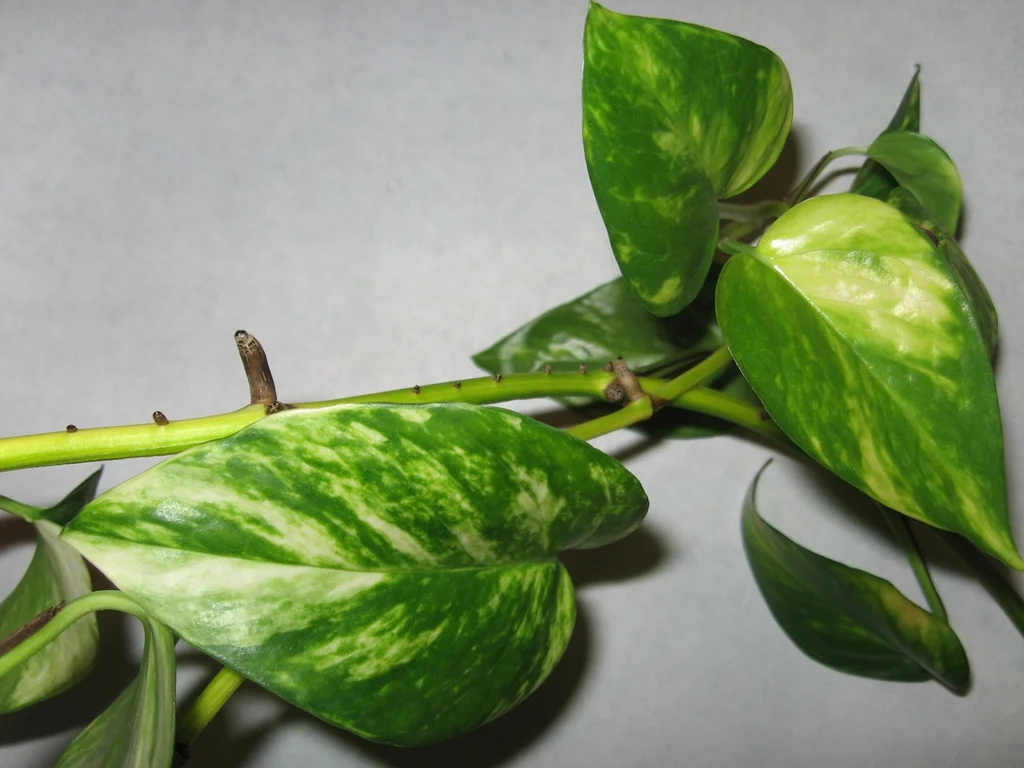
Watering calculator
Choose a supported plant and growth stage for a source-linked moisture check. General categories estimate next-check reminders; species modes use their own conditions.
Open →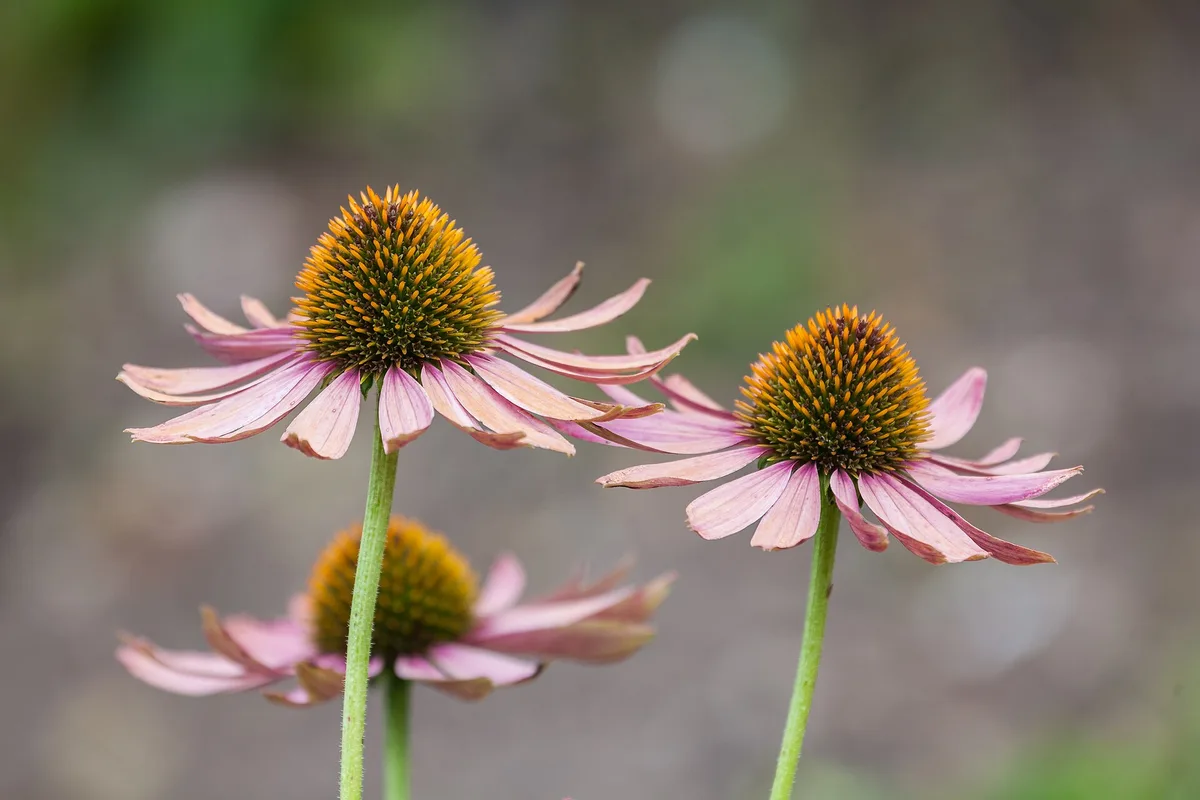
USDA zone finder
Look up a US ZIP code on the 2023 USDA Plant Hardiness Zone Map. See the half-zone and the average annual extreme low in °F, then open frost dates for the planting calendar.
Open →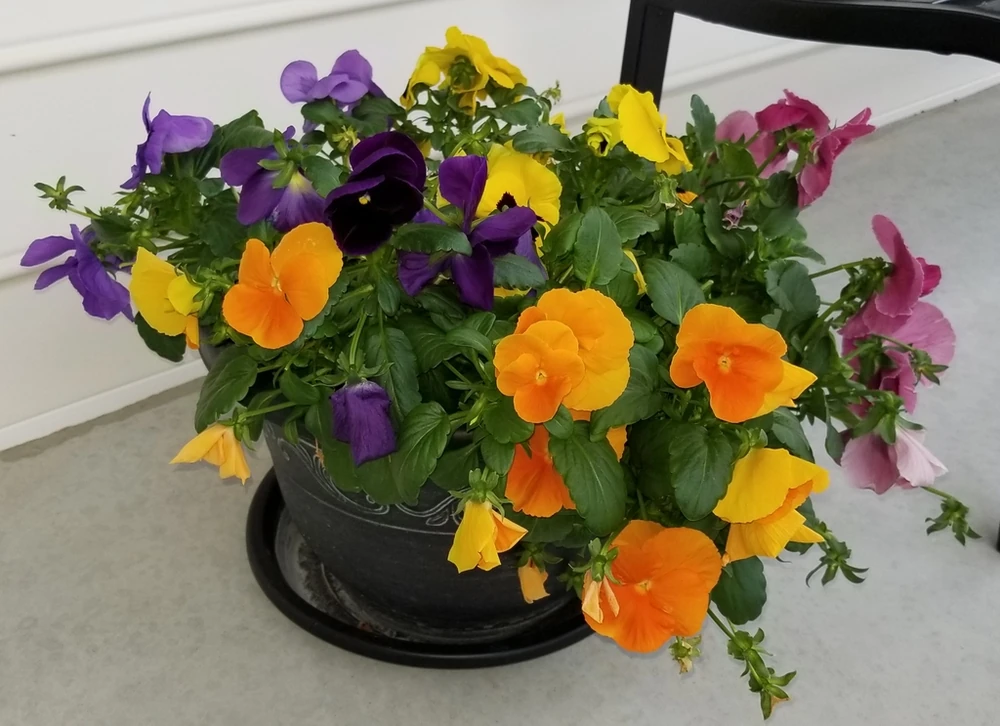
Frost dates
Enter a US ZIP code for the median last and first 32°F freeze, freeze-free days, and an indoor-start tip. Dates come from the nearest listed NOAA station, not from the USDA zone alone.
Open →Plant problem quiz
Choose observations for three next checks. Compare the plant, growth stage and root zone before changing care. This quiz does not diagnose a cause or authorize watering.
Open →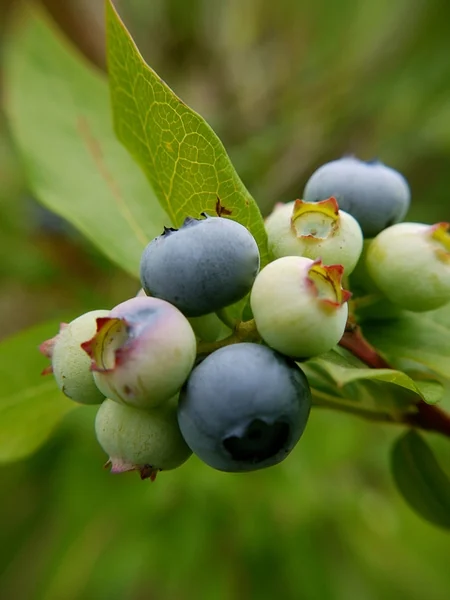
Soil pH calculator
Decide whether a garden soil needs lime, elemental sulfur, or neither. The result is a direction from Clemson’s pH bands, not a pounds-per-square-foot rate.
Open →Repot size calculator
Find the next pot diameter: 1 to 2 inches wider than the pot the roots fill now. A larger jump is overpotting. Pots already 10 inches wide can stay that size.
Open →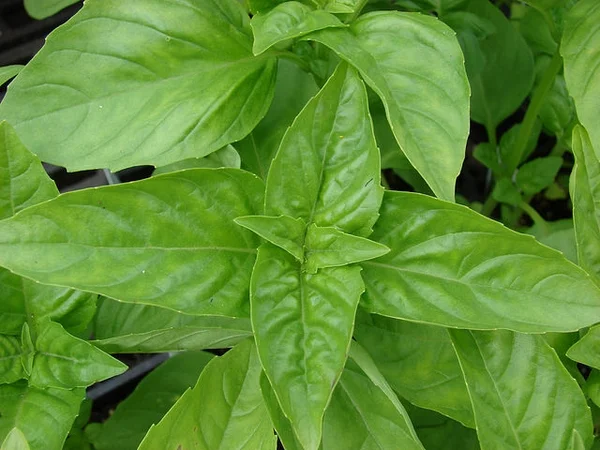
NPK fertilizer calculator
Turn a fertilizer bag’s N-P-K, a bed area or pot diameter, and a crop into a dose plan. The result is a label ceiling, not a prescription and not a product list.
Open →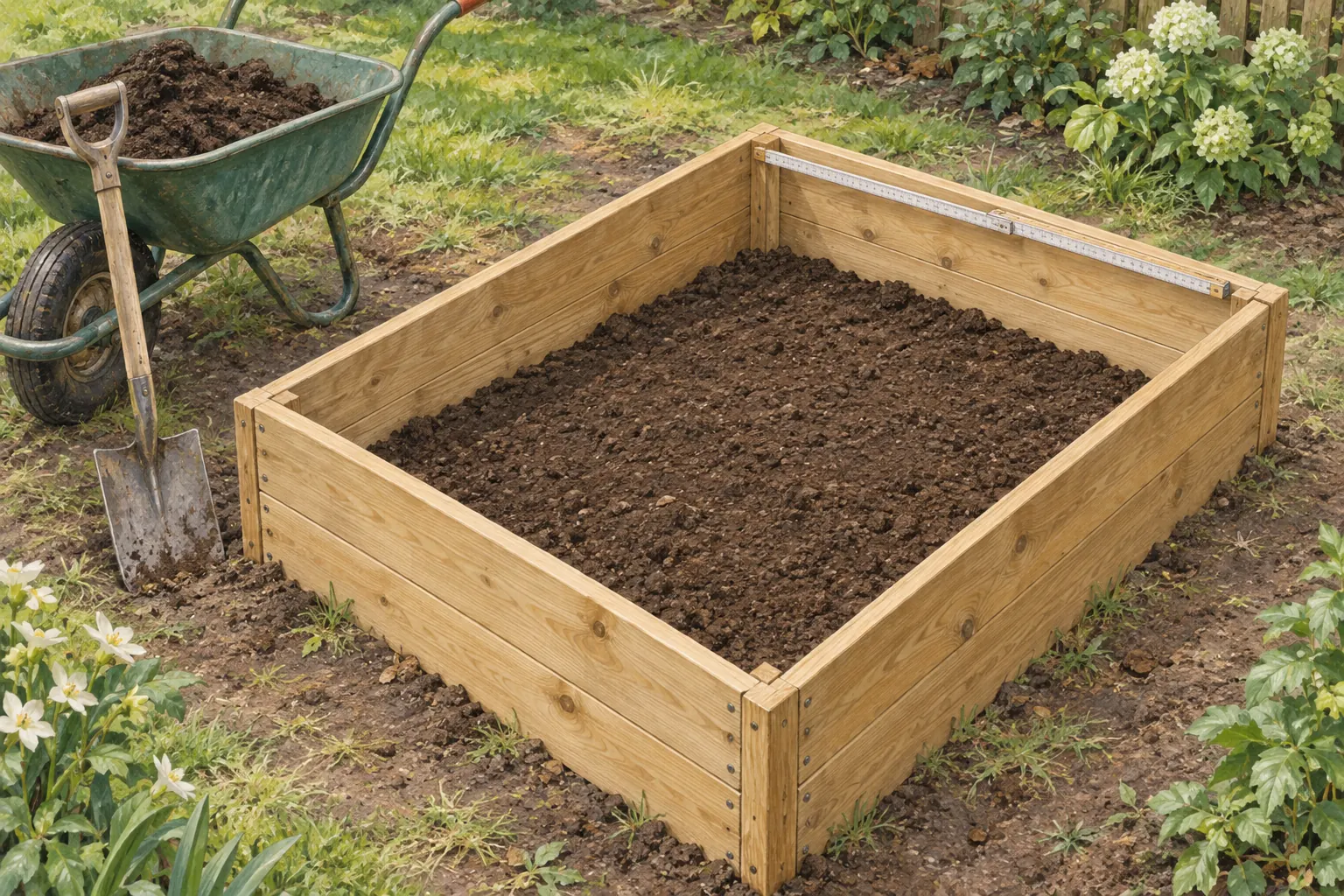
Raised-bed soil
Find a rectangular bed’s volume and turn your purchase allowance into a bag count.
Open →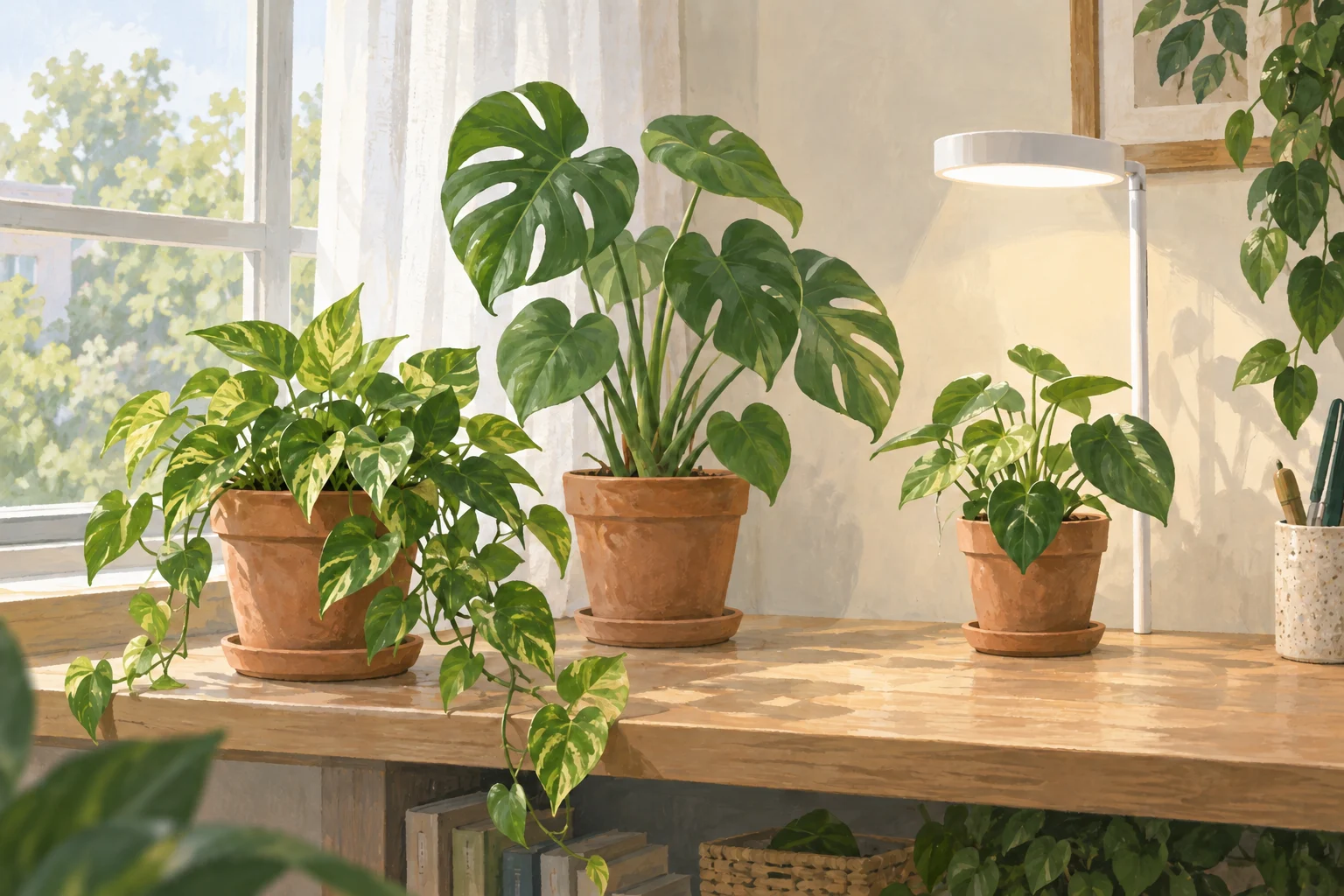
Daily light from a steady lamp
Use measured PPFD and the lamp’s daily hours to calculate its DLI contribution.
Open →AI-generated illustrations explain the setting. Each tool page states what its calculation can and cannot tell you. Plant photos on the new tools are identification pictures, not measurements.
Then check the growing conditions.
Tomato and pepper moisture checks · Check a drip system · Compost browns and greens · What organic matter is.
Published · Updated
Tools questions
What calculators are available?+
The tools hub links a watering interval, a 2023 USDA zone lookup, frost dates, a yellow-leaf quiz, raised-bed soil volume, soil pH direction, repot size, an NPK dose comparison, and an indoor lamp DLI helper. Each page states what the result can and cannot decide.
Does the soil calculator choose a potting mix?+
No. It estimates rectangular bed volume and optional bag counts from your measurements. Mix choice and organic matter stay on the soil and compost guides.
Where do I go after measuring soil volume?+
Check drip coverage or compost basics from the linked guides, then open a vegetable plan in the plant library.