GROWING TOOLS
Soil pH Calculator: Lime or Sulfur?
Soil pH decides whether to add lime or sulfur, and a reading on either side of the target is not a reason to add both. Lime raises pH. Elemental sulfur lowers it. Clemson Extension puts acid-loving plants near 5.0 to 5.5 and most vegetables and ornamentals near 5.8 to 6.5. This tool names the direction.
Enter the current pH and the plant group. The result is lime, sulfur, or neither. It is not a pounds-per-square-foot rate, and it is not a hydrangea color recipe.
Example direction
Lime, not sulfur. Add lime, not sulfur. pH 5.2 is below the most vegetables and ornamentals band of 5.8 to 6.5. Lime raises pH. A soil test’s buffer pH sets the pounds. Do not add sulfur in the same season.
Press the button to use the pH and plant group you entered. The pounds stay on the lab report.
Published · Updated
Which band am I aiming for?
| Plant group | Target pH | If you are below it | If you are above it |
|---|---|---|---|
| Acid-loving plants | 5.0–5.5 | Lime | Elemental sulfur |
| Most vegetables and ornamentals | 5.8–6.5 | Lime | Elemental sulfur |
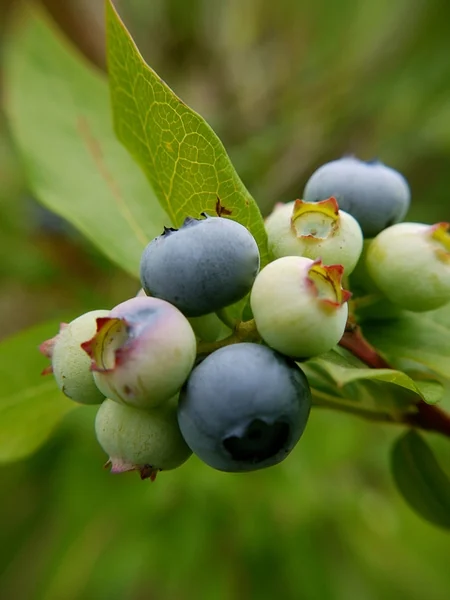
A result within 0.2 pH of the band returns neither. Read the slice of soil you tested on what a soil profile is. Organic matter is a different measurement: what organic matter is. Blueberries on this site are blueberry care. Bed volume, if you are filling a box, is the raised-bed soil calculator.
How it decides
Bands, limits, and the sources behind them
Clemson Extension’s guide to changing soil pH says to test before you add anything. Acid-loving plants such as azaleas, rhododendrons, blueberries, and conifers are listed at pH 5.0 to 5.5. Most vegetables and ornamentals are listed at pH 5.8 to 6.5. Ground agricultural limestone raises pH. Elemental sulfur lowers it, slowly, because soil bacteria turn sulfur into sulfuric acid. Aluminum sulfate works faster and is easier to overdo. Sandy soil needs less amendment than clay to move the same distance, so a national spoonful is the wrong output. Clemson’s soil-testing note says a garden sample goes about 6 inches deep and a lawn sample only 2 to 4 inches, and the buffer pH on the report sets the pounds of lime. The Royal Horticultural Society says sulfur is the usual acidifier and that soil which fizzes with vinegar may contain free lime and may not acidify. This page stops at the direction.
Common questions
Does this tell me how many pounds of lime to buy?+
No. Clemson’s report uses buffer pH and the crop to set pounds, and sandy soil needs less than clay. This page only says lime, sulfur, or neither.
Can I add lime and sulfur together?+
No. They pull pH in opposite directions. Pick the direction the test supports, wait, and test again before you switch.
What if I only want blue hydrangea flowers?+
Flower color is not this calculator. A vegetable-bed target and a hydrangea color treatment are different jobs. Do not acidify a whole bed to change one shrub’s flowers.
How is this different from organic matter?+
Organic matter is the living and decomposing fraction of soil. pH is acidity. Compost is not a measured dose of lime or sulfur. Use the organic-matter guide for the percent target.
Sources and notes
The tool chooses a direction. It does not replace a soil-test report. Sources checked November 6, 2026. Editorial responsibility.