NOVEMBER PLANT CARE
Help a potted hydrangea through cold weather.
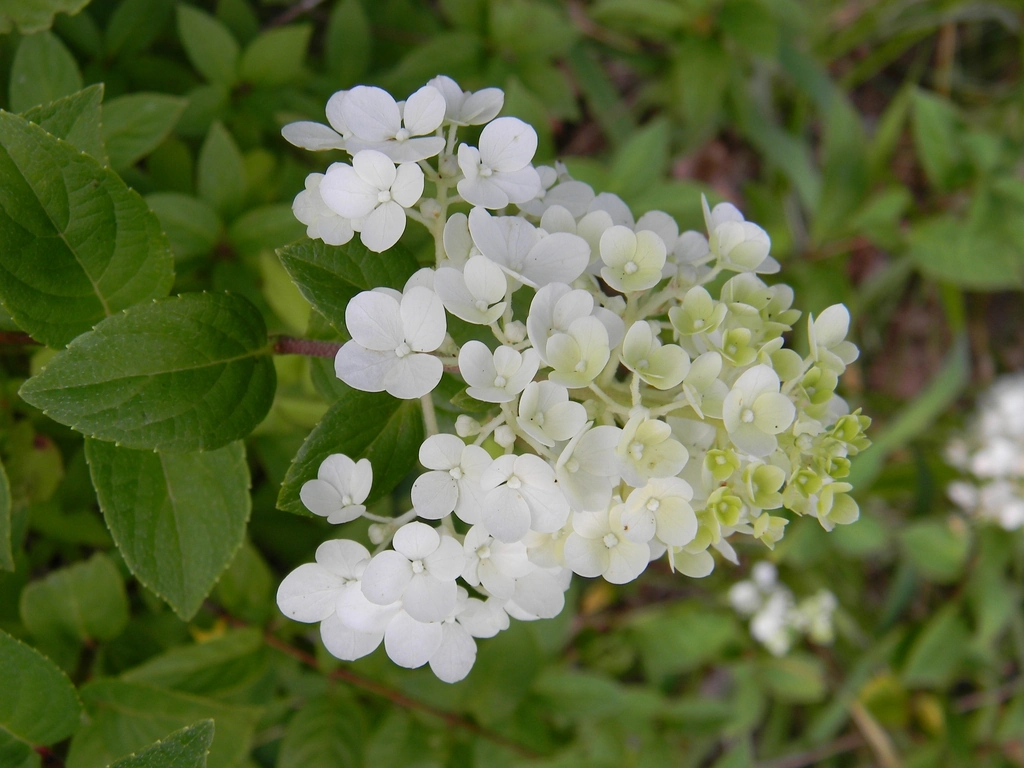
Identify your hydrangea before moving or pruning it. Cold tolerance and flowering wood differ between types.
For outdoor potted hydrangeas entering local winter. The photo shows a panicle hydrangea; mophead hydrangeas need different pruning.
Care at a glance
- Identify
- Check species, cultivar and local winter hardiness.
- Drain
- Keep drainage holes open and remove standing water.
- Prune
- Delay shaping until the right season for your type.
Three simple steps
Choose suitable shelter
Move a vulnerable pot away from strong winds and frost pockets, for example against a sheltered wall. In severe cold, seek local advice on suitable protected storage; a wrapped pot alone cannot prevent prolonged freezing.
Keep roots lightly moist
Raise the pot on feet if needed for drainage. Check the mix during dry, frost-free spells and water when it is drying. Do not let a dormant rootball become completely dry or remain waterlogged.
Keep next season's buds
Leave healthy mophead stems and faded heads over winter. Many flower on older wood. Panicle hydrangeas flower on new growth and are normally pruned in late winter or spring.
Watch the spring forecast
New shoots can suffer late frost even on hardy plants. Be ready to shelter emerging growth when frost returns.
Quick questions
Are bare stems a sign it has died?
Not necessarily. Hydrangeas are deciduous; assess live buds and regrowth in their normal spring season.
Should I bring it into a heated room?
Usually not. Choose protection suited to a dormant outdoor shrub, its cultivar and your climate.
Sources & picture note
Compiled with AI assistance from the linked sources. This guide has not had an independent horticultural review.
Plant photograph for identification; it does not demonstrate the symptoms or treatment.
Published · Updated · Suggest a correction